
T: +86-400-0987187
E: info@sdjinmai.com
E: info@sdjinmai.com
No. 6888 Jiankang East Street, High-tech Zone, Weifang, Shandong, China

Views: 0 Author: Site Editor Publish Time: 2025-11-25 Origin: Site
Phosphite fertilizer is gaining popularity in modern agriculture due to its unique properties and effectiveness in promoting healthy plant growth. Unlike traditional phosphate fertilizers, phosphite fertilizers provide phosphorus in a form that is rapidly absorbed by plants, offering distinct benefits in terms of growth, immunity, and yield quality. In this article, we will explore how phosphite fertilizers impact plant growth and how their application can improve overall plant health and productivity.
Phosphite fertilizers are different from conventional phosphate fertilizers in that they supply phosphorus in the form of phosphite (PO3) rather than phosphate (PO4). This form of phosphorus is more soluble and easily absorbed by plant roots and leaves. When plants take up phosphite, it not only fulfills their nutritional needs but also activates several plant defense mechanisms that contribute to improved growth and resilience.
Phosphite fertilizers are commonly used in foliar sprays, where they are applied directly to plant leaves for quick absorption. They are also used in soil applications, where they improve phosphorus availability and encourage stronger root systems.
Phosphorus is a vital macronutrient that supports numerous processes within plants, including energy transfer, root development, flowering, and fruiting. It plays an essential role in the synthesis of DNA, RNA, and ATP (adenosine triphosphate), which are crucial for cellular functions and plant metabolism. However, in many soils, phosphorus can become bound in insoluble forms, making it unavailable to plants. This is where phosphite fertilizers come in — by providing phosphorus in a soluble and absorbable form, they ensure that plants can access this critical nutrient more effectively.
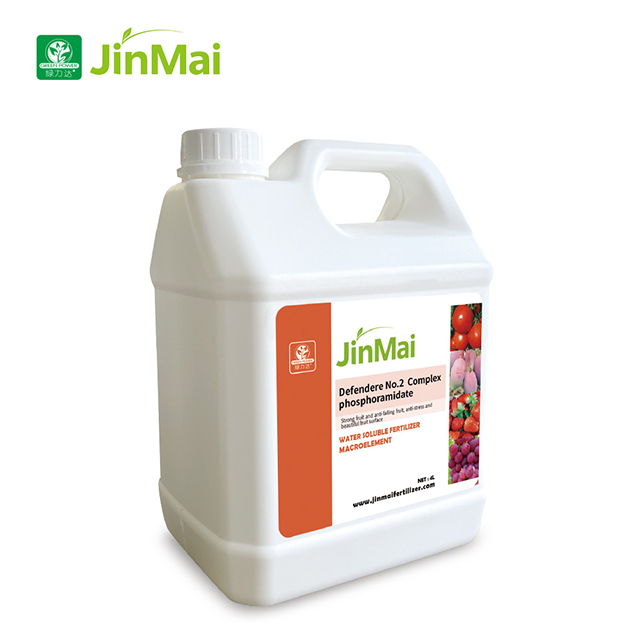
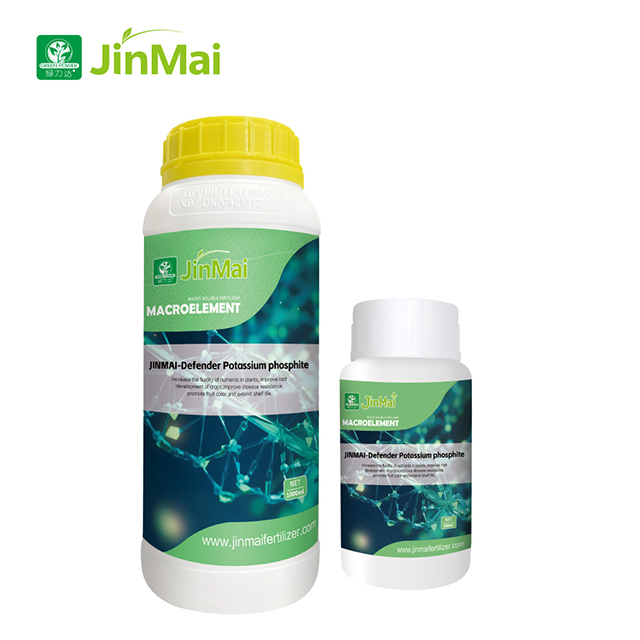
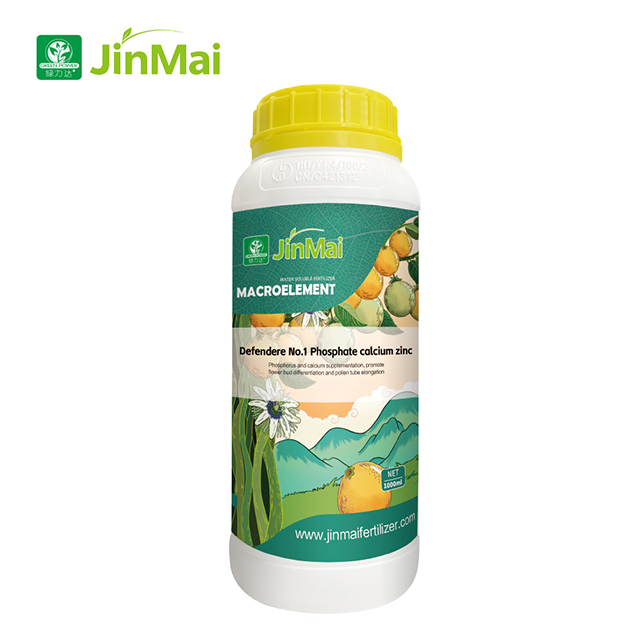
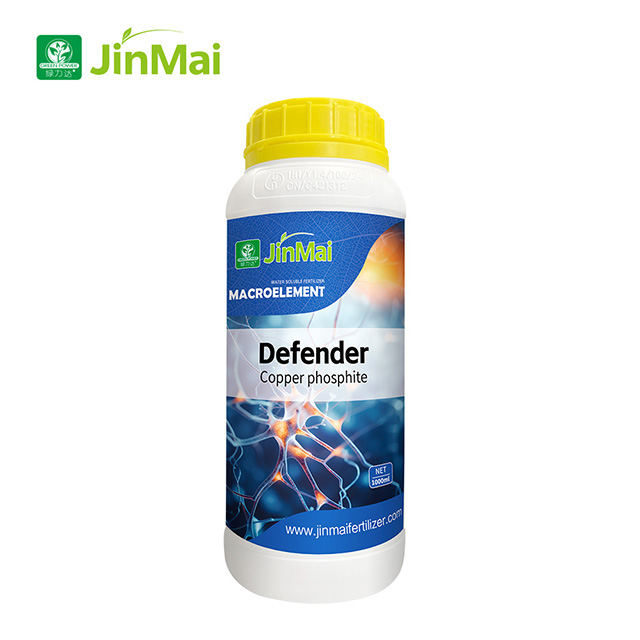
Phosphite fertilizers have several direct and indirect effects on plant growth. These include improved nutrient uptake, enhanced disease resistance, better root development, and overall plant vigor. Let's explore each of these impacts in more detail.
One of the primary benefits of phosphite fertilizers is their ability to enhance nutrient uptake. Phosphite (PO3) is more easily absorbed by plants compared to traditional phosphate (PO4), which can become immobilized in the soil. When phosphite is applied to the soil or plant leaves, it is quickly absorbed and utilized, providing immediate access to phosphorus.
This higher absorption rate allows plants to meet their phosphorus needs more efficiently, leading to faster growth and healthier development. As a result, plants experience improved overall health, with better root systems, increased flowering, and higher-quality fruits or vegetables.
Phosphite fertilizers are known to activate plant defense mechanisms, making plants more resistant to diseases and environmental stress. When plants absorb phosphite, it triggers the production of certain enzymes and proteins that boost the plant’s natural immune system. This "active defense" response helps plants resist fungal infections, such as blight, downy mildew, and root rot, which are common threats in agriculture.
Phosphite also strengthens the plant’s ability to tolerate environmental stresses such as drought or high temperatures, which can significantly improve plant growth under less-than-ideal conditions. This makes phosphite fertilizers an excellent tool for farmers dealing with both soil nutrient deficiencies and external stressors.
Phosphite fertilizers are particularly effective in promoting strong root growth. Phosphorus is an essential nutrient for root development, and by providing it in a more readily absorbable form, phosphite helps ensure that plants develop a robust root system. A strong root system is vital for water and nutrient uptake, as well as for anchoring the plant in the soil.
By using potassium phosphite or calcium phosphite fertilizers, farmers can encourage deeper, healthier roots that support the overall plant structure. This is especially beneficial for crops that require strong root systems, such as vegetables, fruits, and trees.
Phosphite fertilizers help improve the overall reproductive development of plants, leading to increased flowering and fruit set. Phosphorus plays a key role in energy transfer and the formation of new tissues, which are critical for flower and fruit development.
The application of phosphite-based fertilizers ensures that plants have access to this vital nutrient, which promotes the formation of flowers and fruits. This is particularly important for crops such as tomatoes, peppers, and other fruit-bearing plants that rely on a consistent nutrient supply for healthy fruit production.
Phosphite fertilizers contribute to faster plant growth due to their rapid absorption and high efficiency. The increased phosphorus availability accelerates critical metabolic processes, leading to quicker plant development. As a result, plants grow faster, reach maturity more rapidly, and have the potential for higher yields.
Moreover, the enhanced nutrient uptake, improved disease resistance, and stronger root systems contribute to better-quality yields. This means that crops are more likely to produce uniform, high-quality fruits, vegetables, or flowers with improved shelf life and resistance to handling.

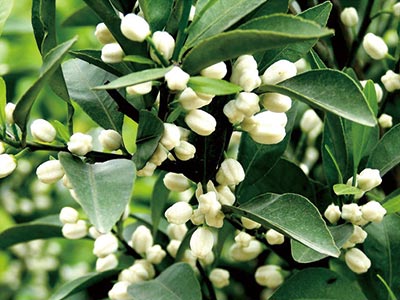
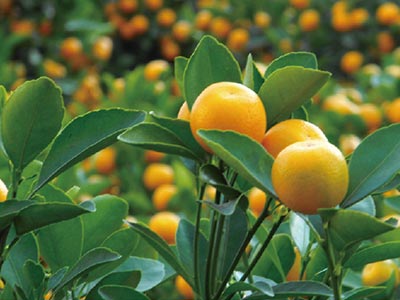
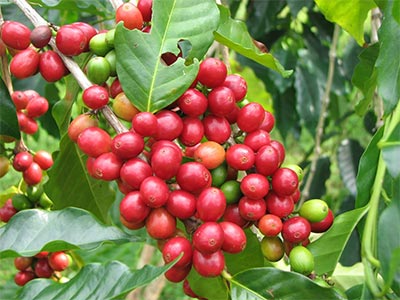



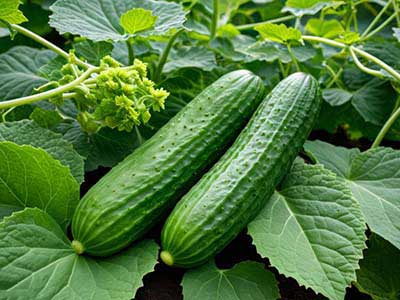


Phosphite fertilizers come in several formulations, each designed to address specific plant needs. The most common types include potassium phosphite, calcium phosphite, and complex phosphite fertilizers. Each type has its unique advantages for plant growth:
Potassium phosphite fertilizers provide both potassium and phosphite to plants. Potassium is essential for regulating water uptake, promoting stress tolerance, and supporting plant metabolism. By combining potassium with phosphite, this fertilizer promotes stronger plants that can resist stress while efficiently absorbing phosphorus. It is ideal for crops that require both nutrients for optimal growth.
Calcium phosphite fertilizers combine calcium with phosphite to strengthen cell walls and improve nutrient uptake. Calcium is important for cell division, root development, and overall plant structure. By enhancing calcium availability, this fertilizer helps plants develop stronger roots, better resistance to diseases, and improved fruit quality.
Complex phosphite fertilizers contain a blend of phosphite with additional nutrients like nitrogen, sulfur, or trace elements. These fertilizers are ideal for addressing multiple nutrient deficiencies in the soil and providing a complete nutrition solution for plants. They promote overall plant health, enhance disease resistance, and support vigorous growth.
Phosphite fertilizers can be applied through several methods to maximize their effectiveness. The most common methods include:
Foliar Spray: Applying phosphite fertilizer directly to plant leaves ensures quick absorption and immediate impact. This method is ideal for preventing diseases and addressing nutrient deficiencies.
Soil Application: Phosphite can also be applied to the soil, where it helps improve phosphorus availability and root development. This is a great option for crops with deep root systems.
Drip Irrigation: For large-scale applications, phosphite fertilizers can be delivered via drip irrigation systems, ensuring precise nutrient delivery and reducing waste.
At Shandong Jinmai Biotechnology Co., Ltd., we offer a wide range of high-quality phosphite fertilizers designed to optimize plant growth and enhance agricultural productivity. With more than 10 years of experience in the industry, we specialize in providing tailored solutions for various crops and climates. Our potassium phosphite, calcium phosphite, and complex phosphite fertilizers are manufactured using advanced technology and rigorous quality control processes to ensure superior performance.
By choosing Jinmai Biotech, you gain access to not only effective fertilizers but also technical support and solutions to help you achieve better yields and sustainable farming practices.
1. How does phosphite fertilizer affect plant growth?
Phosphite fertilizer promotes faster growth, stronger root systems, and improved disease resistance by providing phosphorus in a more absorbable form, boosting plant immunity and overall health.
2. Can phosphite fertilizers be used on all crops?
Yes, phosphite fertilizers are suitable for a wide variety of crops, including vegetables, fruits, and ornamental plants, and are particularly effective in promoting root growth and disease resistance.
3. What is the difference between potassium phosphite and calcium phosphite fertilizers?
Potassium phosphite provides both potassium and phosphorus, enhancing stress tolerance and nutrient uptake, while calcium phosphite supports root development and improves disease resistance by providing calcium alongside phosphite.
4. How often should phosphite fertilizer be applied?
The application frequency depends on the crop and soil conditions, but generally, phosphite fertilizers are applied during critical growth stages or when nutrient deficiencies are detected.
5. Is phosphite fertilizer safe for the environment?
Yes, phosphite fertilizers are more efficient and reduce phosphorus runoff, making them an environmentally friendly option compared to traditional phosphate fertilizers.


