
T: +86-400-0987187
E: info@sdjinmai.com
E: info@sdjinmai.com
No. 6888 Jiankang East Street, High-tech Zone, Weifang, Shandong, China

Views: 0 Author: Site Editor Publish Time: 2026-08-19 Origin: Site
Modern agriculture increasingly requires crop protection strategies that can reduce reliance on conventional chemical pesticides while maintaining effective control of pests and plant diseases. Plant-based biocontrol agents have emerged as an important option because they use naturally derived botanical compounds to support crop protection and integrated pest management.
Plant-based products may contain botanical extracts, essential oils, plant-derived metabolites, or other naturally occurring compounds with antimicrobial, insecticidal, repellent, antifeedant, or plant-defense-inducing properties.
Unlike conventional synthetic pesticides that are often designed around a single active ingredient and a specific target, botanical products may contain multiple naturally occurring compounds that act through several biological pathways.
This makes plant-based biocontrol agents a valuable component of modern Integrated Pest Management (IPM) and sustainable crop production.
Plant-based biocontrol agents are crop protection products derived wholly or partly from plants and used to help suppress agricultural pests or pathogens.
Common sources include:
Aromatic plants
Medicinal plants
Spice plants
Trees and shrubs
Seeds and fruits
Leaves and flowers
Roots and rhizomes
Depending on the plant source and extraction process, botanical products may contain:
Alkaloids
Terpenoids
Phenolic compounds
Flavonoids
Essential oils
Saponins
Tannins
Organic acids
Other secondary metabolites
The biological activity of a botanical product depends heavily on the plant species, active compounds, extraction method, concentration, formulation, and target organism.
Plant-derived crop protection products can affect pests and pathogens through different mechanisms.
Some botanical compounds can inhibit the growth or development of pathogenic microorganisms.
Depending on the active compounds and target pathogen, they may interfere with:
Cell membranes
Enzyme activity
Cellular metabolism
Spore germination
Pathogen growth and reproduction
This makes certain botanical extracts useful for managing fungal and bacterial diseases.
Some plant-derived compounds produce odors or chemical signals that discourage insects from approaching treated plants.
Repellent activity can reduce:
Pest colonization
Feeding
Egg laying
Population establishment
Repellency is particularly useful as part of an integrated pest management program.
Certain botanical compounds can reduce insect feeding behavior.
Instead of immediately killing the pest, an antifeedant effect can reduce feeding damage and limit crop injury.
This mechanism can complement other pest management approaches.
Some botanical compounds can interfere with insect development and reproduction.
Potential effects include:
Reduced larval development
Delayed maturation
Reduced reproduction
Disrupted molting
The effectiveness depends on the target pest and the botanical active compounds present in the formulation.
Some plant-derived substances may stimulate the plant’s own defense responses.
This can involve activation of physiological defense pathways and increased production of defensive compounds.
Rather than acting only directly on a pathogen or insect, these products may help plants respond more effectively to biotic stress.
Different plants contain different bioactive compounds, so source selection is an important part of botanical biocontrol product development.
Neem-derived products are widely studied for insect management. Compounds such as azadirachtin are associated with insect growth regulation, feeding deterrence, and other biological effects.
Garlic contains sulfur-containing compounds that have demonstrated antimicrobial and pest-repellent properties.
Cinnamon-derived compounds, particularly components of its essential oil, have been investigated for antimicrobial and insect-related applications.
Thyme essential oil contains compounds such as thymol and carvacrol, which have antimicrobial activity.
Tea tree oil contains terpene compounds that have been investigated for antimicrobial applications.
Capsicum-derived compounds can contribute to pest deterrence and are used in some botanical pest management products.
The presence of a particular plant extract does not automatically guarantee effective field control. Commercial performance depends on extraction, concentration, formulation, target pest, crop, environmental conditions, and regulatory requirements.
Plant-based and microbial biocontrol products are both part of biological or naturally derived crop protection, but they are fundamentally different.
Feature | Plant-Based Biocontrol | Microbial Biocontrol |
Source | Plants and botanical materials | Beneficial microorganisms |
Typical Components | Extracts, essential oils, metabolites | Bacteria, fungi, viruses, or their metabolites |
Main Activities | Repellent, antimicrobial, antifeedant, defense stimulation | Pathogen antagonism, parasitism, competition, antibiosis |
Formulation | Liquid, emulsifiable, soluble, or other forms | Liquid, powder, granules, spores or viable cells |
Target | Pests and pathogens | Pests, pathogens, or competing microorganisms |
Main Consideration | Active botanical compounds | Microbial viability and activity |
These technologies can also be combined in an integrated crop protection strategy when compatibility has been established.
Botanical products are based on plant-derived materials and can provide additional crop protection tools for growers seeking alternatives to conventional pesticide programs.
However, “natural” does not automatically mean harmless. Botanical products should still be evaluated for crop safety, operator safety, environmental effects, residues, and regulatory compliance.
Many plant extracts contain multiple bioactive compounds.
As a result, their biological activity may involve several mechanisms rather than relying on a single mode of action.
This characteristic can make botanical products useful components of diversified pest management programs.
Plant-based products can be incorporated into IPM programs alongside:
Cultural practices
Physical control
Biological control
Resistant varieties
Monitoring and scouting
Microbial biocontrol agents
Conventional pesticides when necessary
An integrated approach is generally more reliable than depending on one crop protection technology alone.
When appropriately selected and effectively integrated into a crop protection program, botanical products may help reduce dependence on certain conventional pesticide applications.
The actual reduction depends on crop, pest pressure, product efficacy, application strategy, and local regulations.
Plant-based crop protection products are increasingly considered within sustainable agricultural systems because they can complement other approaches designed to improve biodiversity, reduce unnecessary pesticide inputs, and support responsible pest management.
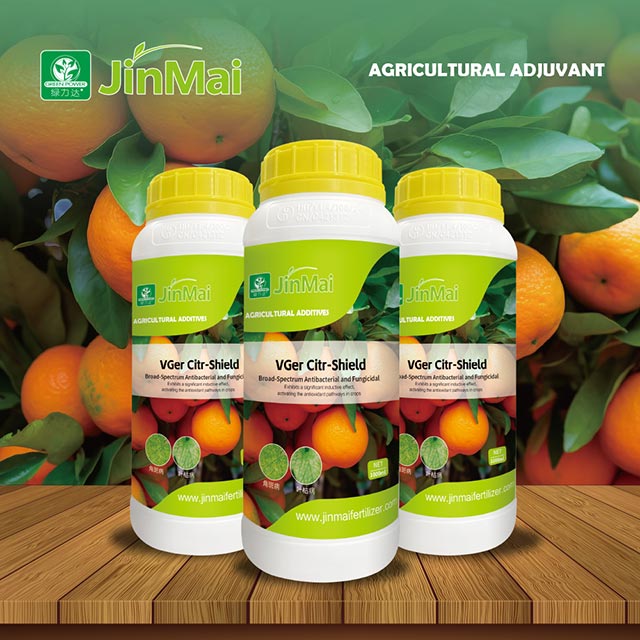
Botanical extracts have attracted significant interest in the management of plant pathogens.
They may be used against diseases caused by:
Fungi
Bacteria
Certain other microorganisms
Potential benefits include:
Suppression of pathogen development
Reduction of spore germination
Inhibition of microbial growth
Support for plant defense responses
However, disease-control performance can vary significantly among botanical sources and formulations. Field validation is therefore essential.
 |  |
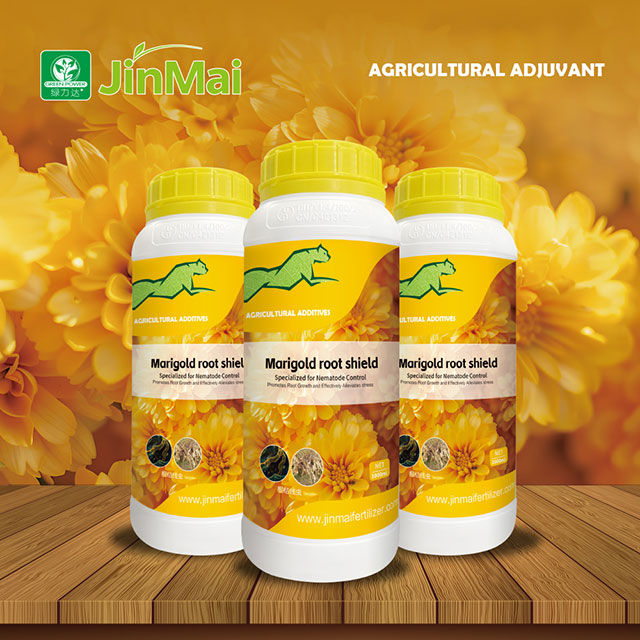
Botanical products can also contribute to insect pest management through several mechanisms.
Potential activities include:
Repellency
Feeding deterrence
Contact toxicity
Growth regulation
Reproductive disruption
Common target groups may include:
Aphids
Whiteflies
Thrips
Mites
Caterpillars
Beetles
Other agricultural pests
Product efficacy should always be evaluated against the specific pest species rather than assuming that one botanical extract will control all insects.
 |  |  |  |
The appropriate application method depends on the product formulation and target organism.
Foliar application is one of the most common methods for botanical crop protection products.
It can provide direct contact with:
Leaves
Stems
Insects
Pathogens
Good spray coverage is particularly important when the product relies on direct contact or surface activity.
Some botanical products can be applied to the soil or root zone.
Potential objectives include:
Supporting root-zone protection
Managing soil-associated pathogens
Delivering active compounds to the rhizosphere
The suitability of soil application depends on the stability and biological behavior of the active compounds.
Certain water-compatible botanical formulations may be delivered through irrigation systems.
Before using this method, growers should verify:
Water solubility
Filtration requirements
Compatibility
Stability
Irrigation equipment specifications
Not every botanical product is suitable for fertigation.
Accurate pest or disease identification is essential.
Different botanical products have different target spectra, so growers should avoid treating an unidentified problem with a generic botanical product.
Application timing can strongly influence performance.
For insect pests, treatment may be more effective when populations are still low or during susceptible developmental stages.
For plant diseases, preventive or early-stage applications may be more effective than attempting to control severe infections after extensive tissue damage has occurred.
For products relying on contact activity, inadequate coverage can significantly reduce efficacy.
Calibrate spray equipment and ensure appropriate coverage of the target plant surfaces.
Always follow the manufacturer’s recommended:
Application rate
Dilution ratio
Application interval
Target crops
Target pests or diseases
Pre-harvest interval
Mixing instructions
Safety precautions
Regulatory requirements vary by country and product category.
Botanical products can be sensitive to environmental and formulation conditions.
Important factors include:
High temperatures can affect the stability of certain plant-derived compounds.
Some botanical compounds can degrade under strong sunlight.
Rain shortly after application may reduce the amount of active material remaining on plant surfaces.
Water and spray-solution pH can affect the stability of certain active compounds.
The same botanical extract may perform differently depending on emulsification, encapsulation, concentration, and other formulation technologies.
Botanical products may perform best as part of preventive or early-intervention programs rather than under extremely high pest pressure.
Plant-based biocontrol agents offer significant potential, but they also have limitations.
Plant material can vary according to:
Species
Cultivar
Growing conditions
Harvest time
Plant part
Extraction process
Standardized sourcing and quality control are therefore important.
Some botanical compounds break down relatively quickly under sunlight, heat, oxygen, or rainfall.
This may result in shorter residual activity compared with certain synthetic pesticides.
Plant extracts may have problems with:
Water solubility
Stability
Oxidation
Odor
Storage
Compatibility
Advanced formulation technologies can help improve product stability and field performance.
The regulatory classification of botanical crop protection products differs between countries.
Depending on the jurisdiction and intended claim, a product may be regulated as a biopesticide, plant protection product, fertilizer, biostimulant, or another category.
Manufacturers should verify local registration requirements before making crop protection claims.
The future of crop protection is unlikely to depend on a single technology.
Instead, sustainable crop protection increasingly combines multiple approaches:
Monitoring → Prevention → Biological Control → Botanical Products → Targeted Chemical Control When Necessary
Plant-based biocontrol agents can occupy an important position within this integrated system.
They can complement:
Beneficial microorganisms
Biopesticides
Biostimulants
Resistant crop varieties
Precision agriculture
Cultural practices
Conventional crop protection products
The goal is not simply to replace one pesticide with another, but to create a more diversified and resilient crop protection strategy.
When evaluating a botanical crop protection product, growers and distributors should consider several factors.
Identify the plant species and plant part used as the raw material.
Look for information about the key bioactive compounds or standardized extract content.
Confirm that the product has been developed and tested for the intended target.
Check whether the product has been evaluated on the intended crop and growth stage.
Evaluate storage stability, solubility, and compatibility with common agricultural inputs.
Laboratory activity does not always translate directly into field efficacy. Look for field trial data where available.
Confirm registration and permitted claims in the target market before commercial use.
Plant-based biocontrol agents provide growers with an additional tool for managing agricultural pests and plant pathogens through naturally derived botanical compounds. Their potential activities include antimicrobial action, insect repellency, feeding deterrence, growth regulation, and stimulation of plant defense responses.
Their greatest value comes from being integrated into a broader Integrated Pest Management (IPM) strategy rather than being treated as a universal replacement for conventional pesticides. Proper botanical source selection, standardized formulation, accurate target identification, correct application timing, and field validation are essential for consistent performance.
As agriculture moves toward more sustainable and diversified crop protection systems, plant-based biocontrol agents can complement microbial biocontrol products, biostimulants, cultural practices, and targeted conventional inputs—helping growers develop more balanced, resilient, and environmentally responsible crop protection programs.
Website: www.jinmaifertilizer.com
Alibaba Website: jinmaiplant.en.alibaba.com
Email: info@sdjinmai.com
Phone: +86-132-7636-3926
Plant-based biocontrol agents are crop protection products derived from plants or botanical materials. They may help manage pests and pathogens through antimicrobial, insecticidal, repellent, antifeedant, or plant-defense-related activities.
No. Plant-based products primarily contain botanical extracts or plant-derived compounds, while microbial biocontrol agents contain living microorganisms or microbial-derived substances.
Crop safety depends on the botanical source, concentration, formulation, crop, and application conditions. Always follow the product label and conduct appropriate crop-safety testing before commercial use.
They can provide alternatives or complementary tools for some pest and disease management programs, but they should not be assumed to replace all conventional pesticides. Their effectiveness depends on the target, pest pressure, formulation, and application strategy.
Potentially, but compatibility must be tested. Some botanical compounds may inhibit beneficial microorganisms, so tank mixing should only be performed when compatibility and label requirements have been confirmed.
Application frequency depends on the product, crop, target organism, environmental conditions, and label recommendations. Some botanical products may require repeated applications because certain active compounds have relatively short persistence.


