
T: +86-400-0987187
E: info@sdjinmai.com
E: info@sdjinmai.com
No. 6888 Jiankang East Street, High-tech Zone, Weifang, Shandong, China

Have you ever wondered how plants thrive with less fertilizer? The answer is biostimulants.
In this article, we'll explore what biostimulants are, their benefits, and how they improve plant growth. You'll learn how they work and their role in sustainable farming.
At Jinmai, we offer top-quality biostimulants to enhance plant health and growth. Learn more about our products today.
A biostimulant is a substance or microorganism applied to plants to enhance growth, improve nutrient uptake, and increase stress tolerance. Unlike fertilizers that directly provide nutrients, biostimulants help plants utilize available resources more efficiently and improve overall plant health. By stimulating plant metabolic pathways, biostimulants support the natural processes that lead to better growth and resilience.
Biostimulants work by activating the plant's natural mechanisms, enhancing photosynthesis, promoting root growth, and improving nutrient uptake. They help plants resist environmental stress such as drought, extreme temperatures, and pests. In essence, biostimulants improve the plant's ability to grow stronger and healthier by supporting its natural functions.
Tip: Biostimulants are an excellent addition to fertilization programs, as they enhance nutrient efficiency and improve plant resilience.
Biostimulants come in various forms, each serving specific functions. Some of the most common types include:
Type of Biostimulant | Description |
Organic Biostimulants | Derived from natural sources like seaweed and plant extracts. |
Microbial Biostimulants | Contain beneficial bacteria and fungi that promote plant growth. |
Amino Acids and Protein Hydrolysates | Provide essential amino acids for stress response and nutrient absorption. |
Inorganic Biostimulants | Include elements like silicon, which strengthen plant cell walls and improve stress tolerance. |
Biostimulants play a critical role in sustainable agriculture by improving the efficiency of nutrient use and reducing the need for chemical fertilizers. They help plants grow more effectively, enhancing productivity while minimizing environmental impact. Biostimulants also promote soil health, as they support beneficial microbes and improve soil structure.
Tip: Incorporating biostimulants into a farming system can help reduce reliance on synthetic fertilizers, contributing to more sustainable practices.
Biostimulants are known to improve both the yield and quality of crops. By boosting plant growth, they promote the development of stronger roots, healthier foliage, and more resilient plants. Crops treated with biostimulants often have higher resistance to diseases and pests, resulting in improved quality and quantity of the harvest.
For instance, biostimulants have been shown to improve fruit size, taste, and uniformity in crops like tomatoes and peppers, making them more appealing to consumers.
Abiotic stress, such as drought, salinity, and temperature extremes, can negatively impact plant growth. Biostimulants help plants tolerate these stresses by improving their natural defenses. Products like seaweed extracts and amino acid-based biostimulants help plants better cope with adverse environmental conditions, ensuring more consistent growth even under challenging circumstances.
Tip: In regions prone to drought, biostimulants can help improve crop resilience and reduce water consumption by enhancing water retention in plants.
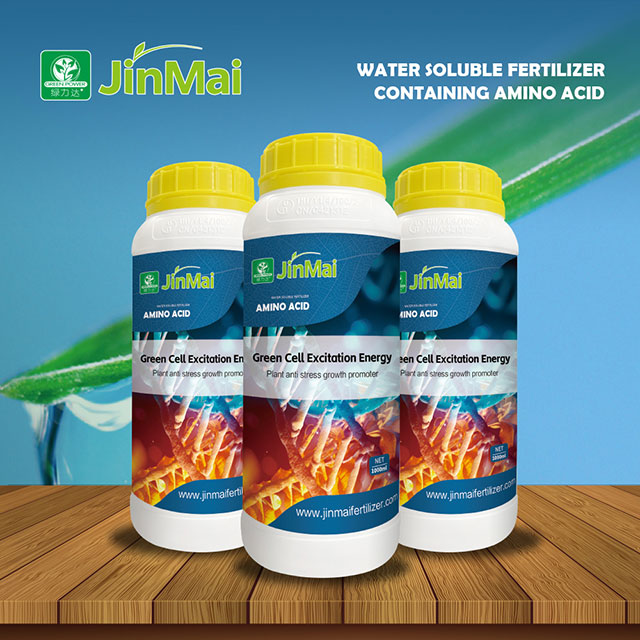
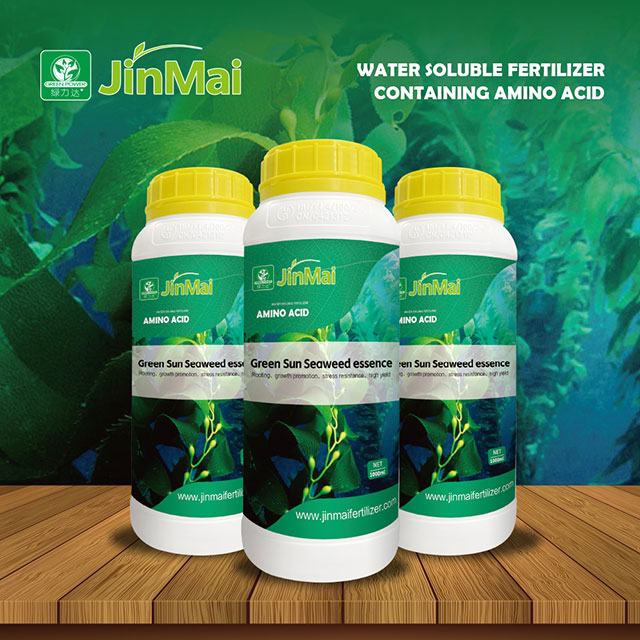


Seaweed-based biostimulants are some of the most widely used due to their rich content of natural plant hormones, amino acids, and trace minerals. These extracts improve root development, enhance stress tolerance, and help plants absorb nutrients more effectively.
Tip: Seaweed-based products can be used to promote plant health in a variety of crops, from vegetables to ornamental plants.
Amino acids are essential for plant growth and development. They help with protein synthesis, photosynthesis, and stress response. Biostimulants that contain amino acids or protein hydrolysates improve nutrient uptake and support overall plant health, particularly in challenging growing conditions.
These biostimulants are ideal for enhancing plant growth during the early stages of development and promoting quick recovery after stress.
Microbial biostimulants consist of beneficial bacteria and fungi that enhance soil health and promote plant growth. These microbes help break down organic matter, fix nitrogen, and improve nutrient cycling in the soil. Microbial biostimulants contribute to healthier plants and more productive soil.
Tip: Microbial biostimulants can be particularly effective in organic farming systems, where they help replace chemical inputs and improve soil quality.
Biostimulants help plants absorb and utilize nutrients more efficiently, which reduces the need for excessive fertilizer use. This not only helps farmers save costs but also reduces the environmental impact of farming practices. By improving nutrient uptake, biostimulants ensure that plants have the resources they need to grow strong and healthy.
By stimulating key growth processes, biostimulants promote stronger roots, improved foliage, and healthier plants overall. These benefits lead to better growth rates, enhanced stress tolerance, and more resilient crops that can withstand pests, diseases, and environmental challenges.
Biostimulants help activate the plant's natural defense mechanisms, making them more resistant to pests and diseases. They enhance plant immunity, reducing the need for chemical pesticides and promoting more environmentally friendly farming practices.
Biostimulants can be applied in several ways, including foliar sprays, soil amendments, and seed treatments. The application method depends on the type of biostimulant and the needs of the crop. For example, seaweed extracts are often applied as foliar sprays for quick absorption, while microbial biostimulants are used to improve soil health.
Application Method | Description |
Foliar Sprays | Applied directly to plant leaves, ideal for rapid absorption. |
Soil Amendments | Added to soil to improve nutrient availability and microbial activity. |
Seed Treatments | Applied to seeds before planting to promote early growth and stress tolerance. |
Biostimulants are tailored to meet the specific needs of different crops. For instance, root-promoting biostimulants are ideal for crops that require strong root systems, while flowering biostimulants are used to improve fruit development in crops like tomatoes, peppers, and melons.
Biostimulants can be used alongside traditional fertilizers and pesticides to enhance plant growth and resilience. While fertilizers provide essential nutrients, biostimulants improve nutrient uptake and stimulate natural plant processes, resulting in healthier, more productive plants.


The key distinction between biostimulants and fertilizers lies in their functions. Fertilizers provide plants with essential nutrients such as nitrogen, phosphorus, and potassium, which are necessary for plant growth. In contrast, biostimulants do not directly supply these nutrients but instead enhance the plant's ability to absorb and utilize the nutrients already available in the soil. Biostimulants improve plant metabolism, root growth, and stress resilience, allowing plants to optimize nutrient use more effectively.
Biostimulants offer several advantages that fertilizers do not. They improve nutrient use efficiency by helping plants absorb and utilize available nutrients more effectively. This reduces the need for excessive chemical inputs, leading to lower costs and reduced environmental impact. Furthermore, biostimulants support plant growth by enhancing natural physiological processes, leading to stronger plants with improved resistance to environmental stress, pests, and diseases. By incorporating biostimulants into your agricultural practices, you can build a more sustainable, eco-friendly farming system that increases crop yield and quality.
The biostimulant market is experiencing rapid growth as farmers, researchers, and businesses recognize the immense potential of these products. With the increasing demand for sustainable farming practices, biostimulants are becoming an essential tool in modern agriculture. As farmers strive to optimize crop production while minimizing environmental impact, biostimulants offer a practical solution. With ongoing research and adoption, biostimulants are poised to play a crucial role in enhancing global food security and addressing agricultural challenges.
Ongoing research is leading to innovative formulations of biostimulants that are even more effective for specific crops and farming systems. Advances in biostimulant technology are enhancing their ability to improve stress tolerance, optimize nutrient efficiency, and meet the specific needs of different plant species. New formulations are being developed that cater to various climatic conditions and farming practices, ensuring that biostimulants can deliver tailored benefits to farmers worldwide. This continuous innovation will play a significant role in improving agricultural productivity and environmental sustainability.
As the biostimulant market grows, regulatory frameworks are being established to ensure the safety, quality, and effectiveness of these products. Clearer regulations and guidelines will provide farmers with confidence in the products they use, ensuring that biostimulants meet industry standards and promote sustainable practices. By implementing these regulations, the biostimulant industry will continue to thrive, delivering reliable solutions for farmers seeking to improve crop performance and adopt more sustainable farming methods.
Biostimulants are vital tools in modern agriculture, improving plant growth, increasing crop yield, and reducing the reliance on synthetic fertilizers. They enhance nutrient efficiency, boost resilience, and support sustainable farming practices. As research and innovations continue, biostimulants will play a key role in shaping the future of agriculture. At Jinmai, we provide high-quality biostimulants that enhance plant health and farming sustainability.
A1: A biostimulant is a substance or microorganism that enhances plant growth and stress tolerance by activating natural plant processes. It improves nutrient efficiency and resilience.
A2: Biostimulants enhance plant growth by stimulating metabolic pathways, improving nutrient uptake, and promoting stress tolerance. They activate natural plant mechanisms for better growth.
A3: Biostimulants help reduce reliance on synthetic fertilizers, improve crop yield, and support sustainable farming practices. They boost nutrient efficiency and plant resilience.
A4: Biostimulants complement fertilizers by improving nutrient use efficiency. While they don’t directly provide nutrients, they enhance plant health and productivity when combined with fertilizers.


