
T: +86-400-0987187
E: info@sdjinmai.com
E: info@sdjinmai.com
No. 6888 Jiankang East Street, High-tech Zone, Weifang, Shandong, China

Views: 0 Author: Site Editor Publish Time: 2026-04-06 Origin: Site
The world of agriculture and industry is undergoing a quiet revolution, moving away from a reliance on synthetic polymers toward more sustainable, bio-based alternatives. At the heart of this shift are biological polysaccharides, complex carbohydrates that are far more than simple sugars. Traditionally viewed as mere structural components in plants and animals, we now understand their crucial role as bioactive molecules. They act as powerful signaling agents, capable of triggering profound responses in plant physiology and soil ecosystems. This guide is designed for decision-makers, providing the critical insights needed to evaluate, select, and successfully implement advanced polysaccharide-based solutions. It cuts through the complexity to help you understand what truly drives performance and return on investment.
Bio-Stimulation vs. Nutrition: Understanding that biological polysaccharides often act as signaling molecules rather than direct nutrient sources.
Purity and Molecular Weight: Critical factors that determine bioavailability and efficacy in field applications.
Chitooligosaccharide Advantage: Why low-molecular-weight derivatives are the current gold standard for rapid plant response.
ROI Drivers: Improved stress tolerance and nutrient use efficiency (NUE) as the primary economic justifications.
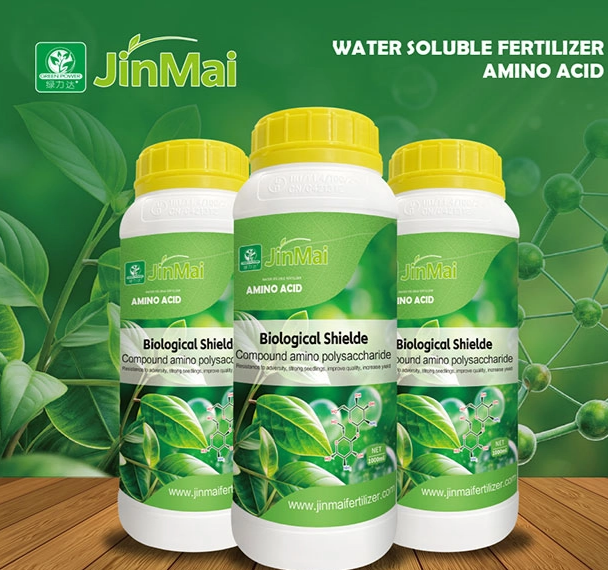
To effectively leverage biological polysaccharides, you must first understand their diversity and function. Not all polysaccharides are created equal. The term encompasses a vast category of molecules, each with unique properties and applications determined by its structure and origin. They are far more than just energy reserves; they are functional tools for enhancing agricultural resilience and productivity.
It's essential to distinguish between different types of polysaccharides. A common initial thought is of storage polysaccharides like starch in plants or glycogen in animals. These molecules are designed to be broken down easily for energy. However, the focus in advanced agriculture is on functional polysaccharides. These include:
Chitin: A structural component found in the exoskeletons of crustaceans and insects, as well as fungal cell walls. Its derivatives are potent biostimulants.
Pectin: A structural heteropolysaccharide contained in the primary cell walls of terrestrial plants. It plays a role in plant growth and defense.
Glucans: Polymers of D-glucose found in the cell walls of fungi, bacteria, and cereals. Beta-glucans are particularly known for their immune-modulating effects.
Unlike simple storage molecules, these functional compounds are not primarily used for nutrition. Instead, they act as informational carriers that trigger specific defense and growth pathways within a plant.
The origin of a biological polysaccharide directly influences its chemical structure and, consequently, its effectiveness. The source is a key predictor of its final application success.
Marine Sources: Chitin from shrimp and crab shells is a primary source for producing chitosan and chitooligosaccharide. Alginates and carrageenans from seaweed are also widely used for their gelling properties and biostimulant activity.
Microbial Sources: Bacteria and fungi can produce unique polysaccharides like xanthan gum or pullulan through fermentation. These often have specialized industrial applications due to their consistent purity.
Botanical Sources: Pectins from citrus peels or beta-glucans from oats and barley are common examples. Their bioactivity is often linked to promoting beneficial soil microbes and enhancing plant structure.
Choosing the right source material is the first step in ensuring the final product has the desired molecular characteristics for a specific agricultural challenge.
The true power of functional polysaccharides lies in their ability to act as "elicitors." When a plant detects these specific molecules, it interprets them as a signal of a potential threat, such as a fungal attack (since chitin is in fungal walls). This detection doesn't harm the plant; instead, it activates a defense cascade known as Systemic Acquired Resistance (SAR).
SAR is a whole-plant defense response that primes it against a broad range of future pathogens and environmental stressors. The polysaccharide binds to receptors on the plant cell surface, initiating a signaling chain that "wakes up" the plant's innate immune system. This leads to the production of defensive compounds and the strengthening of cell walls, making the plant more robust and resilient without the use of synthetic pesticides.
Beyond theoretical mechanisms, biological polysaccharides offer tangible benefits in the field. They are formulated into specialized products designed to enhance plant health and soil vitality. These applications move beyond simple nutrition, focusing on improving the efficiency and resilience of the entire agricultural system. Two primary product categories are polysaccharide plant stimulators and polysaccharide-enhanced fertilizers.
A polysaccharide plant stimulator is designed to improve a crop's tolerance to non-living environmental challenges, known as abiotic stress. These stressors—including drought, soil salinity, and extreme temperatures—are leading causes of yield loss globally. These products work by triggering physiological responses that help plants cope:
Metabolic Enhancement: They can upregulate the production of antioxidants, which neutralize harmful molecules generated during stress.
Osmotic Adjustment: Some polysaccharides help plant cells maintain water balance under drought or high-salinity conditions, preventing dehydration.
Gene Expression: They activate genes associated with stress defense, effectively preparing the plant before the stress becomes severe.
By enhancing these natural pathways, plant stimulators help maintain growth and productivity even when environmental conditions are less than ideal.
When integrated into fertilizer programs, polysaccharides contribute to both soil health and nutrient delivery. A polysaccharide fertilizer is often a blend where the polysaccharides serve multiple functions:
Improving Soil Structure: Polysaccharides act as binding agents, helping to aggregate soil particles. This process, known as flocculation, improves soil aeration, water infiltration, and root penetration, reducing erosion.
Boosting Microbial Activity: These complex carbohydrates are an excellent energy source for beneficial soil microorganisms. A thriving microbial community is essential for nutrient cycling, disease suppression, and overall soil fertility.
Synergistic Effects with NPK: When combined with traditional Nitrogen (N), Phosphorus (P), and Potassium (K) fertilizers, some polysaccharides can act as natural chelating agents. They bind to nutrients, protecting them from being leached away or locked up in the soil, which can lead to a more controlled and efficient release for plant uptake.
When applying polysaccharide-based products to the soil, it's important to consider the Carbon-to-Nitrogen (C:N) ratio. Polysaccharides are high-carbon materials. If a large quantity is applied without sufficient nitrogen, soil microbes will consume available soil nitrogen to break down the carbon. This can cause a temporary nitrogen deficiency for the crop, a phenomenon known as "nitrogen drag."
High-quality formulations manage this by using highly bioactive, low-molecular-weight polysaccharides that are applied at low rates. This ensures the biostimulant effect is achieved without disrupting the soil's C:N balance, thus supporting both long-term soil health and immediate crop vigor.
Among the various functional polysaccharides, chitooligosaccharide (COS) has emerged as a front-runner in modern agriculture. Its unique properties make it exceptionally effective as a biostimulant. Understanding what sets COS apart requires looking at its journey from a raw, insoluble polymer to a highly active, water-soluble oligomer that plants can readily absorb and respond to.
The starting material for COS is chitin, a very large and durable polysaccharide found in crustacean shells. In its natural form, chitin is rigid, insoluble in water, and has very low bioavailability. Plants cannot easily absorb it. The magic happens through a two-step process:
Deacetylation: Chitin is treated to remove some of its acetyl groups, converting it into chitosan. Chitosan is more reactive but still a large molecule with limited solubility.
Hydrolysis: Chitosan is then broken down into smaller chains called oligomers. This creates chitooligosaccharide, a product that is fully water-soluble and composed of molecules small enough to be easily absorbed by plants.
This transition from a high-molecular-weight polymer to low-molecular-weight oligomers is the key to its bio-activity. The smaller COS molecules can penetrate plant tissues and effectively trigger the defense responses described earlier.
Not all COS products are the same. When procuring a COS-based biostimulant, two technical specifications are paramount for ensuring efficacy.
| Evaluation Criterion | Why It Matters for Performance |
|---|---|
| Degree of Deacetylation (DD) | The DD value indicates how much chitin has been converted to chitosan before being broken down. A higher DD (typically >90%) means more amino groups are exposed. These groups are positively charged, allowing the COS molecule to bind more effectively to negatively charged plant cell surfaces and soil particles, enhancing its activity and persistence. |
| Molecular Weight (MW) Distribution | This is perhaps the most critical factor. The goal is to have a low molecular weight (typically <3000 Da). Larger molecules struggle to penetrate the waxy plant cuticle or be absorbed by roots. A product with a consistent, low MW distribution ensures that a high percentage of the active ingredient can actually get into the plant to do its job. Ask suppliers for data on their MW distribution, not just an average value. |
The water-solubility and high activity of COS make it incredibly versatile. It can be deployed across various application methods to target specific growth stages and challenges:
Seed Treatment: Applying COS directly to seeds can protect emerging seedlings from soil-borne pathogens and stimulate early, vigorous root development.
Foliar Application: Spraying a COS solution onto leaves is an efficient way to trigger systemic resistance (SAR) throughout the plant, helping it defend against fungal diseases and abiotic stress.
Hydroponic Systems: Adding COS to the nutrient solution in soilless systems can improve nutrient uptake, suppress root diseases, and enhance overall plant health in a controlled environment.
Selecting the right biological polysaccharide product for large-scale use goes beyond marketing claims. A rigorous evaluation process is necessary to ensure you are purchasing an effective, stable, and compliant solution. Industrial procurement requires a focus on technical specifications that directly correlate with field performance and operational efficiency.
The most important question is: how much of the product is actually active? Many suppliers list total polysaccharide content, but this figure can be misleading. You need to assess the "active" fraction.
Solubility: Insoluble particles in a liquid formulation are inactive. The product should be fully dissolved, with no sediment. A simple test is to dilute the product in water and check for clarity. Hazy solutions may indicate the presence of larger, less effective molecules.
Bioavailability: This refers to the portion of the product that the plant can absorb and utilize. For products like COS, this is directly tied to the molecular weight distribution. A product with low molecular weight is inherently more bioavailable.
Biological products can be susceptible to degradation. As a buyer, you must address the risks associated with product stability, especially for liquid formulations.
Microbial Degradation: Polysaccharides are a food source for microbes. Improperly preserved liquid products can be contaminated, leading to loss of efficacy and potential issues with application equipment. Ask suppliers about their preservation methods and request data on shelf-life testing under various temperature conditions.
Physical Stability: The product should remain a homogenous solution over time. Separation or precipitation indicates a potential formulation issue.
In modern agriculture, products are rarely applied alone. It is critical to know how a biological polysaccharide interacts with your existing tank mixes. Incompatibility can lead to clogged nozzles, reduced efficacy of all products in the tank, or even phytotoxicity.
Always conduct a "jar test" before large-scale mixing. Combine the products in a clear container in the same proportions you would use in the spray tank. Look for:
Formation of clumps, gels, or precipitates.
Separation into layers.
Excessive foaming or changes in color/temperature.
Request compatibility charts from the supplier, but always verify with your specific mix of pesticides, fungicides, and surfactants.
The regulatory landscape for agricultural inputs is complex. Understanding how a product is classified is crucial for legal compliance. A product may be categorized as a "biostimulant," a "fertilizer," a "soil amendment," or even a "pesticide" depending on its active ingredients and marketing claims.
Ensure the supplier provides clear documentation on the product's regulatory status in your region. For those in organic production, verify that the product is certified by a recognized body like OMRI (Organic Materials Review Institute) or an equivalent international standard.
The financial case for adopting biological polysaccharides rests on a holistic view of value, extending far beyond the initial purchase price. Calculating the Total Cost of Ownership (TCO) and Return on Investment (ROI) requires a shift from a "cost per liter" mindset to a "value per hectare" analysis. The primary economic drivers are improved crop resilience and greater input efficiency.
A cheaper product is not always a better value. A more concentrated, highly bioavailable product may have a higher upfront cost but deliver superior results at a lower application rate. Value should be calculated based on its impact on key performance indicators:
Yield Stability: The primary benefit is often not a massive yield increase in a perfect year, but the prevention of yield loss in a stressful one. By mitigating the effects of drought, heat, or disease pressure, polysaccharides stabilize production and revenue.
Input Reduction: Enhanced nutrient use efficiency (NUE) means the crop can do more with less. Improved fertilizer uptake may allow for a reduction in NPK application rates. A healthier, more resilient plant may also require fewer fungicide or pesticide applications.
Quality Improvements: For many specialty crops, improved quality (e.g., higher sugar content, better color, longer shelf-life) can command a premium price, directly boosting ROI.
A complete TCO calculation must also account for indirect costs associated with implementation. Ignoring these can lead to unexpected expenses and suboptimal results.
Storage Requirements: Many biological products are sensitive to extreme temperatures. Do you have storage facilities that can protect them from freezing or excessive heat? The cost of climate-controlled storage should be factored in.
Application Timing Precision: The "window of efficacy" for biostimulants can be narrow. They often work best when applied just before an anticipated stress event or at a specific plant growth stage. This may require more diligent scouting and planning, adding to labor or management costs.
Training and Knowledge: Properly using these products requires a deeper understanding of plant physiology. There is a cost associated with training your team on how and when to apply them for maximum effect.
One of the biggest hurdles to adoption is the skepticism arising from "inconsistent results." Often, this isn't a failure of the product but a mismatch of the product to the environment. You can mitigate this risk significantly by focusing on precision:
Soil-Type Matching: A product designed to improve soil structure will have a greater impact on heavy clay or sandy soils than on a well-structured loam.
Crop-Stage Matching: Applying a root-promoting product late in the season is a waste of money. Align the product's function with the crop's physiological needs at the time of application.
Start Small: Conduct on-farm trials to validate performance in your specific conditions before committing to a full-scale rollout.
Successfully integrating biological polysaccharides into your operation requires a structured, data-driven approach. A phased implementation, moving from careful evaluation to a controlled pilot and finally to a full-scale rollout, minimizes risk and maximizes the chances of success. This strategy ensures that you choose the right product and learn how to use it effectively within your existing systems.
The first step is to vet and shortlist potential suppliers. Move beyond marketing materials and demand technical transparency.
Request a Certificate of Analysis (COA): A reliable supplier will readily provide a COA for each batch. This document should detail key quality parameters like molecular weight distribution, degree of deacetylation (for COS), pH, and purity. Be wary of suppliers who are hesitant to share this data.
Evaluate Batch Consistency: Ask for COAs from several different production batches. This helps you assess their manufacturing consistency. High variability between batches is a major red flag, as it will lead to inconsistent field results.
Assess Technical Support: Does the supplier offer knowledgeable technical support? A good partner will work with you to understand your specific challenges and help you design an effective trial protocol.
Once you have shortlisted a promising product, design a small-scale pilot program to validate its performance under your unique conditions. A well-designed pilot must have clear objectives and metrics.
Establish a Baseline: Before starting, measure key metrics in a control area that will not receive the treatment. This is your baseline for comparison.
Define Success Metrics: What does "success" look like? Be specific. It could be a 5% increase in root mass, a 10% reduction in visible stress symptoms during a dry spell, or a measurable increase in chlorophyll density (measured with a SPAD meter).
Keep Controls: The trial should include a treated area and an identical, untreated control area. Both areas must be managed in exactly the same way (same irrigation, fertilization, etc.) to ensure a fair comparison.
Collect Data: Regularly collect data on your predefined metrics throughout the trial period. Take photos and detailed notes.
If the pilot is successful, the next stage is planning for a full-scale rollout. This introduces new logistical challenges.
Application Logistics: How will the product be applied across hundreds or thousands of hectares? Ensure you have the right equipment (e.g., injectors, sprayers) and that it is properly calibrated. Plan the timing to fit within your existing operational schedule.
Supply Chain Management: Can the supplier meet your volume requirements without sacrificing quality? Discuss lead times and inventory management to ensure you have the product when you need it.
The final step is to formally integrate the polysaccharide product into your standard operating procedures. The data from your pilot program should be used to create clear, actionable protocols for your team. This transforms the product from a "special treatment" into a core component of your Integrated Crop Management (ICM) strategy, contributing to long-term sustainability and profitability.
Biological polysaccharides represent a significant leap forward in our quest for sustainable agricultural intensification. By shifting our perspective from simple inputs to complex signaling molecules, we can unlock new levels of crop resilience and efficiency. The key to success lies not in the volume of product applied, but in the precision of its selection and use. Prioritizing critical factors like low molecular weight, high purity, and proven bioavailability ensures you are leveraging the true potential of these remarkable compounds. As agriculture moves toward a more data-driven future, tailored polysaccharide solutions will become an indispensable tool in creating more productive and environmentally sound farming systems.
A1: Simple sugars like glucose are primarily a direct energy source for plant metabolism. Functional polysaccharides, however, act as signaling molecules. Instead of being consumed for energy, they bind to plant cell receptors to trigger defense mechanisms and stress tolerance pathways, acting as an information carrier rather than just fuel.
A2: Yes, in many cases. Chitooligosaccharide derived from natural sources like crustacean shells is often approved for use in organic agriculture. However, it is crucial to verify that the specific product is certified by a recognized organic standards body, such as OMRI in the United States, as processing agents used in manufacturing can affect its status.
A3: Traditional organic matter, like compost, is a complex mixture of many substances that slowly breaks down to release nutrients and improve soil structure. A polysaccharide fertilizer contains specific, purified polysaccharides that provide a more targeted effect. They act quickly as biostimulants or soil conditioners, providing a precise functional benefit rather than broad-spectrum, slow-release nutrition.
A4: Signs include poor solubility (visible sediment or cloudiness in the tank), high variability between batches (check the COA), a lack of detailed technical specifications from the supplier (especially on molecular weight), and a strong, unpleasant ammonia-like smell, which can indicate microbial degradation or instability.
A5: While they are generally safe, excessive application is wasteful and can sometimes have minor negative effects. The primary risk is economic—applying more product does not necessarily lead to a better response and simply increases cost. For soil applications, very high rates of high-carbon material could temporarily tie up soil nitrogen. It is always best to follow the manufacturer's recommended rates.


