
T: +86-400-0987187
E: info@sdjinmai.com
E: info@sdjinmai.com
No. 6888 Jiankang East Street, High-tech Zone, Weifang, Shandong, China

Views: 0 Author: Site Editor Publish Time: 2025-12-12 Origin: Site
In modern farming, secondary nutrient fertilizers are used to enhance crop productivity and improve soil health. These fertilizers complement primary nutrients by addressing specific deficiencies that can impact plant growth. With advancements in precision farming technologies, secondary nutrient fertilizers can now be applied more efficiently, reducing waste and improving nutrient uptake. This targeted approach helps farmers meet the increasing demand for food production while minimizing environmental impact.
This article will explore the key differences between primary and secondary nutrient fertilizers, highlighting their unique roles in plant nutrition and their impact on modern farming practices.
Primary nutrients are the essential elements that plants need in large quantities to support their growth and development. These nutrients include nitrogen (N), phosphorus (P), and potassium (K). Primary nutrients are often considered the backbone of plant nutrition, as they are directly involved in fundamental plant functions such as photosynthesis, cell division, and energy transfer.
Nitrogen (N): Nitrogen is essential for vegetative growth and is a major component of chlorophyll. It also plays a key role in protein synthesis, helping plants produce amino acids and enzymes.
Phosphorus (P): Phosphorus is vital for root development, energy transfer, and flower and fruit formation. It supports the production of ATP (adenosine triphosphate), which provides energy for plant cells.
Potassium (K): Potassium is crucial for regulating plant metabolism, water uptake, and disease resistance. It helps in the activation of enzymes and the synthesis of proteins and starch.
Primary Nutrient | Function | Benefit |
Nitrogen (N) | Supports vegetative growth, protein formation | Promotes healthy green growth, improves chlorophyll production |
Phosphorus (P) | Vital for root development, energy transfer | Encourages strong root systems, improves flowering and fruiting |
Potassium (K) | Regulates water balance, activates enzymes | Enhances plant disease resistance, improves overall plant strength |
Primary nutrients are typically applied in large quantities because plants require them in greater amounts compared to secondary nutrients. These nutrients are essential for the initial stages of plant growth and are crucial for achieving high crop yields. Fertilizers containing nitrogen, phosphorus, and potassium are often the most common and frequently used in agricultural practices, as they directly influence plant growth and productivity.
Secondary nutrients are nutrients that are needed by plants in smaller amounts than primary nutrients but are still critical for maintaining healthy plant growth and soil fertility. These include calcium (Ca), magnesium (Mg), and sulfur (S). Secondary nutrients are important for various plant metabolic processes and help optimize the use of primary nutrients.
Calcium (Ca): Calcium is crucial for strengthening plant cell walls, improving root development, and enhancing disease resistance. It helps in nutrient uptake and supports enzyme activity.
Magnesium (Mg): Magnesium is the central element in chlorophyll and plays a key role in photosynthesis. It also activates enzymes involved in plant metabolism and supports energy production.
Sulfur (S): Sulfur is involved in protein synthesis and enzyme activation. It contributes to chlorophyll production and helps plants cope with environmental stress.
Secondary Nutrient | Function | Benefit |
Calcium (Ca) | Strengthens cell walls, supports root development | Improves plant resilience, promotes disease resistance |
Magnesium (Mg) | Essential for chlorophyll formation, photosynthesis | Enhances energy production, boosts plant metabolism |
Sulfur (S) | Involved in protein synthesis, enzyme activation | Supports plant metabolism, improves disease resistance |
While secondary nutrients are required in smaller quantities, they play a critical role in the overall health of plants. Inadequate levels of calcium, magnesium, or sulfur can lead to poor growth, reduced crop yield, and lower-quality produce. Therefore, secondary nutrient fertilizers are essential for maintaining a balanced nutrient profile in the soil, which is crucial for achieving sustainable agricultural practices.
The primary difference between primary and secondary nutrient fertilizers lies in the quantity required by plants. Primary nutrients (nitrogen, phosphorus, and potassium) are needed in much larger amounts than secondary nutrients (calcium, magnesium, and sulfur). As a result, primary nutrients are typically applied more frequently and in higher doses compared to secondary nutrients.
Primary nutrients are responsible for promoting rapid plant growth, especially in the early stages of development. These nutrients are involved in fundamental processes like photosynthesis, energy transfer, and root development. Secondary nutrients, on the other hand, help maintain long-term plant health by supporting various metabolic processes, improving soil structure, and enhancing plant resilience to stress.
Primary nutrients are often quickly depleted from the soil as they are required in large quantities, which is why they need to be replenished more frequently. Secondary nutrients, while still important, tend to remain in the soil longer and are generally less prone to leaching or runoff.
Primary Nutrient Deficiency: Deficiencies in nitrogen, phosphorus, or potassium often result in stunted growth, poor flowering/fruiting, and yellowing leaves (chlorosis).
Secondary Nutrient Deficiency: Deficiencies in secondary nutrients can cause symptoms like yellowing of older leaves (magnesium), blossom-end rot in tomatoes (calcium), and reduced plant vigor or sulfur-deficient crops showing slow growth.
Primary nutrients directly drive growth and are essential for maximizing crop yield. Secondary nutrients, while not as immediately impactful, support the long-term health of the plants, preventing stress-related issues and optimizing nutrient uptake, ultimately improving both yield and quality over time.


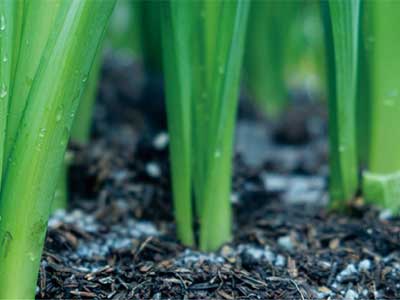




For optimal plant health and productivity, it is important to provide both primary and secondary nutrients in the correct proportions. Primary nutrients fuel rapid growth, while secondary nutrients help maintain plant health, resilience, and soil fertility. A balanced fertilization program ensures that plants receive all the nutrients they need for healthy growth and high-quality produce.
Secondary nutrients also play a critical role in maintaining long-term soil health. Calcium helps improve soil structure, magnesium supports microbial life in the soil, and sulfur aids in organic matter decomposition. By replenishing these essential nutrients, farmers can enhance soil fertility and reduce the need for excessive chemical fertilizers.
Incorporating both primary and secondary nutrient fertilizers into farming practices promotes sustainability by improving nutrient cycling, reducing environmental pollution, and optimizing resource use. A well-balanced fertilizer program helps farmers meet the growing demands for food production while minimizing their ecological footprint.
Soil testing is the most reliable method for determining the nutrient levels in your soil. By testing for both primary and secondary nutrient deficiencies, farmers can create a tailored fertilization program that ensures crops receive the necessary nutrients in the correct amounts. Soil tests provide valuable information about nutrient levels, pH, and other factors that influence nutrient availability.
Different crops have varying nutrient requirements. For example, leafy vegetables like spinach may require more magnesium for optimal growth, while fruit crops like tomatoes may benefit from additional calcium to prevent blossom-end rot. By understanding the specific needs of each crop and its growth stage, farmers can select the appropriate fertilizer for both primary and secondary nutrients.
With advancements in precision agriculture, it is now possible to apply fertilizers more efficiently. Technologies like GPS, drones, and soil sensors help farmers monitor their fields in real time, allowing them to apply the right type and amount of fertilizer precisely where it is needed, ensuring better nutrient uptake and minimizing waste.
The primary difference between primary and secondary nutrient fertilizers lies in the quantity required and the role each nutrient plays in plant growth. Primary nutrients—nitrogen, phosphorus, and potassium—are needed in larger amounts to support rapid plant growth. On the other hand, secondary nutrients—calcium, magnesium, and sulfur—are required in smaller quantities but are essential for maintaining long-term plant health and resilience.
Both types of fertilizers are vital for optimizing plant nutrition, enhancing crop yield, and maintaining soil fertility. By ensuring a balanced fertilization program that includes both primary and secondary nutrients, farmers can promote healthier plants, improve crop quality, and achieve better yields. Additionally, a balanced approach to fertilization contributes to more sustainable farming practices, benefiting both the environment and the agricultural industry.
At Shandong Jinmai Biotechnology Co., Ltd., we specialize in providing high-quality secondary nutrient fertilizers designed to meet the specific needs of your crops and soil. Whether you're looking to enhance plant growth, improve soil structure, or increase crop productivity, our team is here to guide you in selecting the best fertilizers for your farming needs. Feel free to reach out to us for more information or personalized assistance.
Website: www.jinmaifertilizer.com
Alibaba Website: jinmaiplant.en.alibaba.com
Email: info@sdjinmai.com
Phone: +86-132-7636-3926
1. What are primary nutrients in fertilizers?
Primary nutrients include nitrogen (N), phosphorus (P), and potassium (K), which are needed by plants in large quantities for healthy growth and development.
2. What are secondary nutrients in fertilizers?
Secondary nutrients are calcium (Ca), magnesium (Mg), and sulfur (S), which are required in moderate quantities but are essential for various plant functions and overall plant health.
3. How do primary nutrients differ from secondary nutrients?
Primary nutrients are needed in larger quantities for immediate growth and productivity, while secondary nutrients help sustain long-term plant health and optimize nutrient uptake.
4. Why do plants need both primary and secondary nutrients?
Primary nutrients drive rapid plant growth, while secondary nutrients support overall plant health, disease resistance, and soil fertility, ensuring balanced nutrition for optimal yield.
5. How can I determine if my soil needs primary or secondary nutrients?
Soil testing is the most accurate way to assess nutrient deficiencies in your soil. It helps identify whether your soil is lacking in primary or secondary nutrients.
6. Can I use primary and secondary nutrients together?
Yes, primary and secondary nutrients can be used together in a balanced fertilization program, ensuring plants receive the appropriate amounts of each nutrient for optimal growth.
7. How often should I apply secondary nutrient fertilizers?
The frequency of application depends on soil conditions, crop needs, and the type of fertilizer used. Consult soil test results or an agronomist for accurate application guidance.


