
T: +86-400-0987187
E: info@sdjinmai.com
E: info@sdjinmai.com
No. 6888 Jiankang East Street, High-tech Zone, Weifang, Shandong, China

Views: 0 Author: Site Editor Publish Time: 2026-08-08 Origin: Site
Plant growth regulators can influence flowering, fruit set, rooting, stem elongation, ripening, dormancy, and stress responses. Yet growers sometimes follow the label and still see a weak, uneven, or unexpected result. More often than not, the problem is a mismatch between the regulator, crop stage, application conditions, and physiological condition of the plant.
Unlike conventional fertilizers, plant growth regulators do not simply supply a missing nutrient. They act as biochemical signals or modify hormone-related processes that are already occurring inside the plant. Their effects are therefore highly dependent on timing, concentration, tissue sensitivity, weather, spray coverage, water quality, and crop health. Understanding these variables is the first step toward diagnosing an unsuccessful application and improving the next one.
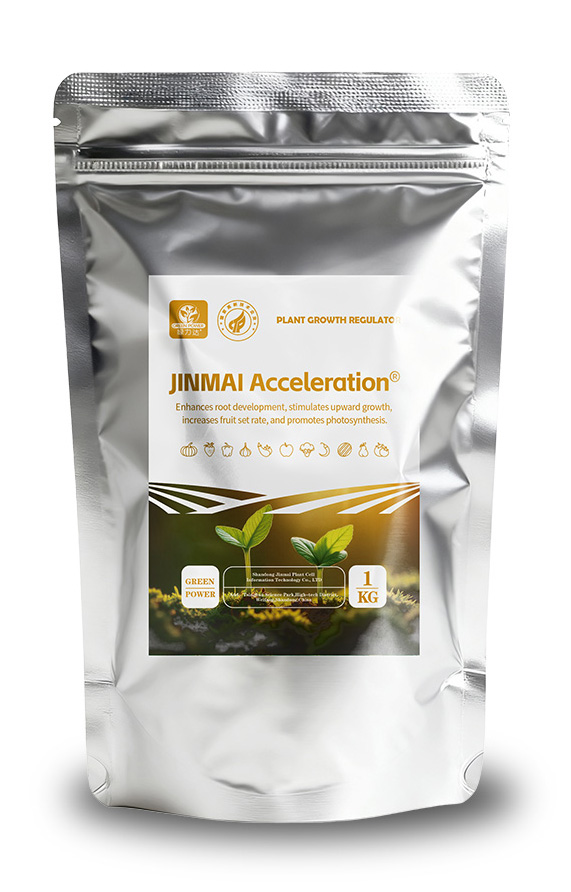 | 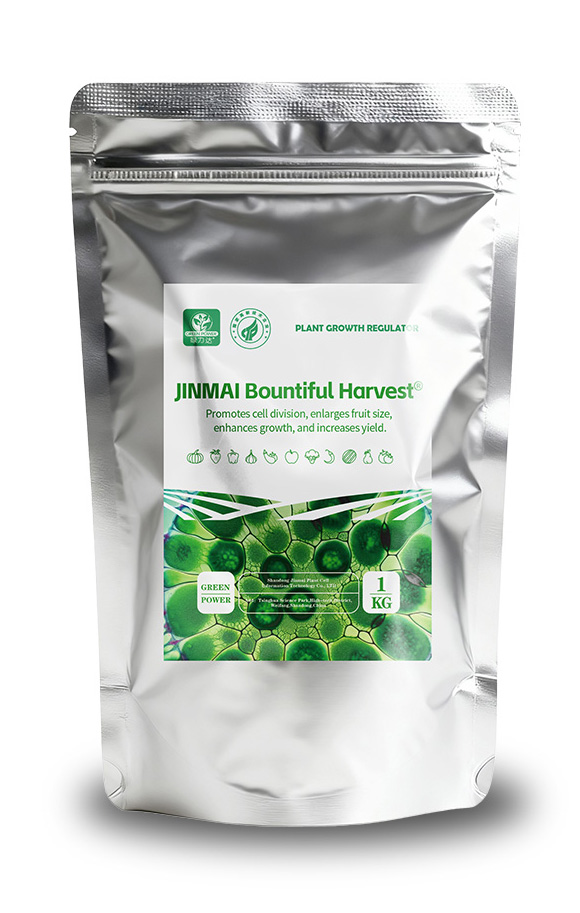 | 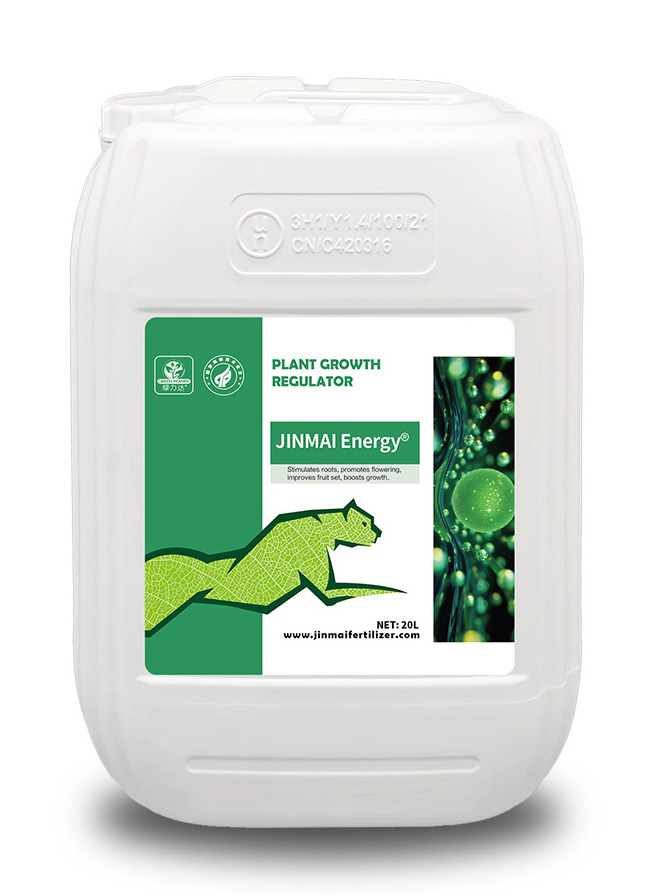 |
The term plant growth regulator covers several groups of compounds with very different modes of action. Some products promote cell division or elongation, some suppress excessive vegetative growth, some encourage rooting, and others are used to manage flowering, fruit set, fruit thinning, ripening, or preharvest drop. A product that performs well for one objective may be unsuitable for another, even when both products are marketed as growth regulators.
Before application, the grower should identify the active ingredient, its intended crop response, and the registered use for the target crop. For example, a regulator intended to reduce shoot elongation should not be expected to correct poor fruit set caused by incomplete pollination. Likewise, a flowering promoter cannot compensate for severe phosphorus deficiency, damaged roots, or unsuitable temperature. The first diagnostic question is therefore not “Did the regulator work?” but “Was this the correct regulator for the biological problem?”
Different formulations may contain different concentrations, salts, carriers, or active-ingredient combinations. Comparing products only by volume can therefore cause underdosing or overdosing. Calculate the dose from the labeled active ingredient concentration and the registered rate for the crop and growth stage.
Plant tissues do not respond equally throughout the crop cycle. Regulators used for flowering, thinning, fruit sizing, branching, or ripening usually have a limited sensitivity window. Applying too early or too late can reduce the response even when concentration and coverage are correct.
Fixed calendar schedules can fail when temperature, light, water supply, or cultivar differences accelerate or delay development. A more reliable program uses observable crop indicators such as leaf number, shoot length, percentage of bloom, fruit diameter, rooting stage, or days after a clearly defined developmental event. In orchard crops, fruit size can sometimes be a more useful trigger than the number of days after flowering. In greenhouse and vegetable crops, transplant establishment, canopy density, and active growth rate may be more relevant.
Timing also includes the interval between applications. Some regulators work best as several moderate treatments, while others have strict limits on frequency. Repeating too soon can cause excessive effects; waiting too long may allow the crop to move beyond the responsive stage.
A PGR dose is not only the amount poured into the tank. The biological dose received by the plant depends on product concentration, total spray volume, treated area, canopy size, droplet distribution, retention, and absorption. An error in any one of these variables can change the response.
Many foliar regulators must contact the target tissue and remain wet long enough to be absorbed. Dense canopies, rapidly expanding shoots, waxy leaves, fruit hidden inside the canopy, unsuitable nozzles, excessive travel speed, and insufficient spray volume can all produce patchy deposition. The outside of the crop may respond while the interior does not, creating the impression that the regulator is inconsistent.
Low-volume application allows little room for calibration errors. A small mistake in nozzle output, travel speed, or tank concentration can materially change the dose per hectare. Calibrate equipment under actual operating conditions and confirm that spray reaches the intended tissue.
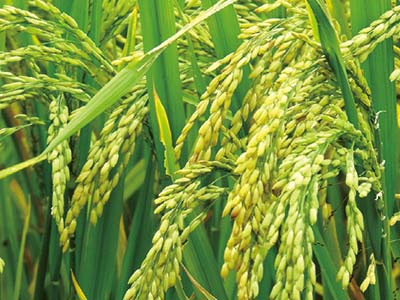
Plant growth regulators often have narrow effective ranges. Too little may show no effect, while too much can cause excessive thinning, distorted growth, delayed development, leaf injury, or reduced flowering. Doubling the rate does not double the benefit and may shift the result from regulation to phytotoxicity.
 |  |  |
Conditions before, during, and after application influence PGR performance. Temperature, humidity, wind, radiation, rainfall, and drying time affect deposition and movement into plant tissues.
Hot, dry, windy conditions can cause droplets to evaporate quickly. If the spray deposit dries before sufficient absorption occurs, the effective dose entering the tissue may be lower than expected. Warm conditions with moderate humidity often favor uptake, but excessively high temperatures can increase crop stress, accelerate drying, or increase the risk of injury. Application during a calm morning or evening period may provide more uniform coverage and slower drying, provided the product label allows it.
Rain or overhead irrigation soon after application may wash material from the crop before absorption. The required rain-free period differs among formulations, so follow the label rather than assuming a universal interval.
Weather before treatment matters as well. Plants under drought, heat, cold, waterlogging, or salinity stress may absorb and metabolize regulators differently. A crop that is not actively growing may show a delayed or weak response, while a highly vigorous crop may require a different program from a slow-growing crop.
The spray tank is a chemical environment. Water pH, hardness, bicarbonates, dissolved salts, temperature, and other tank-mix components can influence solubility, stability, and uptake. Some active ingredients degrade or become less active in strongly alkaline mixtures. Others may precipitate when combined with incompatible fertilizers, pesticides, calcium products, or concentrated micronutrients.
When a new combination is planned, conduct a jar test using the same water source and the same proportional rates intended for the field tank. Observe the mixture for sediment, flakes, crystals, separation, heat, gel formation, or unusual foam. Physical compatibility does not guarantee crop safety, so a small-area application is also useful when the label permits. Follow the labeled mixing order and maintain agitation where required.
Adjuvants can improve wetting, spreading, or retention, but they can also increase absorption beyond the crop’s tolerance. A surfactant should not be added automatically. It must be compatible with the regulator, crop, formulation, environmental conditions, and target tissue. When the label already includes an adjuvant recommendation, changing the type or concentration can materially change the result.
A regulator cannot create a strong response when the plant lacks the resources required to carry it out. Flowering and fruit set depend on carbohydrate supply, mineral nutrition, water status, temperature, pollination, and healthy reproductive tissues. Rooting depends on oxygen, moisture, substrate conditions, and viable plant tissue. Fruit expansion depends on leaf area, water movement, nutrient supply, fruit load, and vascular function.
If nitrogen is excessive, a flowering program may be overwhelmed by vigorous vegetative growth. If boron, calcium, potassium, or another essential nutrient is deficient, fruit set or quality may remain poor despite a well-timed regulator. Root disease, nematodes, poor drainage, salinity, or compacted soil can also limit the response. PGRs work best as one component of an integrated crop program rather than as a substitute for irrigation, nutrition, pollination, pest control, or canopy management.
Cultivars may absorb, metabolize, or respond to the same active ingredient differently. Crop load, light level, pruning, irrigation, nitrogen supply, and previous sprays can also change plant sensitivity. Include these factors in the application record because an apparent failure may reflect interactions that began days or weeks earlier.
A useful diagnosis begins with records rather than assumptions. Document the active ingredient, rate, water volume, crop stage, cultivar, canopy condition, water pH, tank partners, equipment settings, weather, rainfall, and irrigation. Compare treated and untreated areas whenever possible, and take photographs at fixed intervals.
First check whether the material reached the target uniformly. Then confirm whether it remained stable and had enough time to be absorbed. Next evaluate crop health and developmental timing. Finally, determine whether the expected response was realistic for that active ingredient. This sequence helps distinguish a mechanical problem, a chemical problem, a timing problem, and a true lack of biological response.
Do not judge every PGR by immediate visible change. Some treatments alter later flowering, fruit retention, internode development, roots, or harvest timing. Evaluate at the stage that matches the intended effect; judging too early can lead to unnecessary repeat applications.
Reliable programs start with a defined crop objective and measurable success criteria. Select registered Plant Growth Regulators according to the active ingredient and intended use, not only the product name. Establish the crop stage, calibrate equipment, test water quality, confirm tank compatibility, and avoid application during unfavorable weather. Where practical, begin with a small treated block and retain an untreated comparison.
Evaluate results over more than one field or season before standardizing a program. Local trials are important because climate, crop vigor, soil, irrigation, and management vary. Use rates supported by the label, local registration, response data, and qualified agronomic advice.
Plant growth regulators usually fail for understandable reasons: the wrong biological target, missed timing, inaccurate dose, poor coverage, unsuitable weather, unstable tank chemistry, stressed plants, or unrealistic expectations. Treating PGR application as a precision crop-management operation rather than a routine spray makes the outcome more predictable.
Jinmai Biotech develops functional fertilizer, biostimulant, and crop-regulation solutions for different crops and production systems. By combining formulation support with crop-stage, compatibility, and application considerations, the company helps distributors, growers, and agricultural partners build practical programs that fit local soil, climate, and market requirements.


