
T: +86-400-0987187
E: info@sdjinmai.com
E: info@sdjinmai.com
No. 6888 Jiankang East Street, High-tech Zone, Weifang, Shandong, China

Views: 0 Author: Site Editor Publish Time: 2026-01-14 Origin: Site
Biostimulants are gaining popularity in farming. But are they worth the investment? This article explores their benefits.
We will discuss how biostimulants improve plant health, resilience, and crop yields. You'll also learn about their environmental impact.
At Jinmai, we offer high-quality biostimulant products. Learn more about our products today!
Biostimulants are natural or organic substances designed to enhance a plant's ability to absorb nutrients, improve stress resilience, and boost overall growth. Unlike traditional fertilizers, which provide essential nutrients directly, biostimulants activate plant systems that optimize the use of the nutrients already available in the soil. This makes biostimulants an essential tool in sustainable farming practices, helping plants thrive under varying conditions while reducing dependency on synthetic fertilizers.
Biostimulants come in various forms, each with unique functions and benefits. These include:
Seaweed extracts are rich in bioactive compounds that stimulate root growth and improve plants' ability to tolerate stress. They are particularly effective in promoting early plant development and improving overall vigor. Seaweed-based biostimulants are widely used to enhance resilience against environmental stresses like drought or extreme temperatures.
Amino acids are organic compounds derived from plants or animals. They are essential for plant growth and play a crucial role in nutrient uptake, helping plants recover from stress and optimize their metabolic processes. These biostimulants can enhance plant health by improving photosynthesis and strengthening the plant’s resistance to pests and diseases.
Microbial inoculants contain beneficial microorganisms such as bacteria and fungi that promote soil health and improve nutrient availability. By enhancing the soil microbiome, these biostimulants increase nutrient uptake, promote root development, and contribute to better soil structure, leading to healthier plants with stronger root systems.
Humic acids are organic substances found in decomposed plant material. They improve soil structure by enhancing water retention, increasing nutrient availability, and promoting microbial activity in the soil. Humic acid-based biostimulants can help plants absorb essential nutrients more efficiently, making them a popular choice for improving soil fertility and boosting plant growth.
Biostimulants play a key role in improving the efficiency of nutrient use, promoting stress resistance, and enhancing overall plant development. For example, compound biostimulants that combine different active ingredients can stimulate root growth, enhance nutrient absorption, and help plants withstand environmental challenges, ensuring optimal growth and yield.
Biostimulant Type | Source | Key Benefits | Example Uses |
Seaweed Extracts | Seaweed | Enhances stress tolerance, root growth | Improves drought resistance, root development |
Amino Acids | Plant/Animal proteins | Boosts nutrient uptake, stress recovery | Reduces stress from extreme weather |
Microbial Inoculants | Beneficial bacteria/fungi | Promotes soil health, improves nutrient absorption | Enhances soil microbiome, nutrient cycling |
Humic Acids | Organic matter | Improves soil structure, nutrient uptake | Improves soil fertility and water retention |
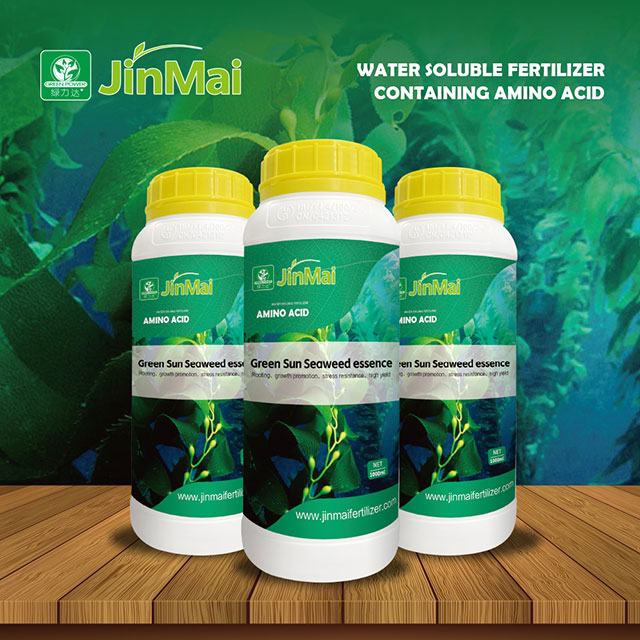


Biostimulants play a key role in enhancing plant health by improving metabolic processes and nutrient use efficiency. They help plants adapt to various environmental challenges and increase resilience to conditions like drought, extreme temperatures, and pest damage.
Biostimulants, such as amino acid-based formulas, enhance the plant's ability to absorb nutrients from the soil. They promote root growth and increase root permeability, ensuring that plants can utilize available nutrients more efficiently. This leads to healthier and stronger growth.
For example, amino acid fertilizers derived from seaweed extracts and plant-based proteins help plants recover faster from stress, boosting photosynthesis and improving overall crop quality and yield.
Biostimulants significantly improve a plant's resilience to environmental stress. These include extreme weather conditions, pests, and diseases. For instance, humic acid-based biostimulants, enriched with fulvic acid, improve soil structure and stimulate plant metabolism. This helps plants recover from stress and thrive even under challenging conditions, leading to higher yields, especially in unpredictable growing environments.
Biostimulants, such as biological polysaccharides, enhance soil quality by boosting microbial activity. They improve soil structure, allowing plants to access water and nutrients more easily. Humic acid-based biostimulants are particularly effective at revitalizing compacted soils, which can otherwise restrict root growth and hinder nutrient uptake. This promotes better plant health and growth, ensuring long-term productivity.
The value of biostimulants depends on several factors, such as crop type, environmental conditions, and long-term farming goals.
By enhancing nutrient efficiency and promoting stronger plant growth, biostimulants contribute to increased yields and improved crop quality. They help optimize nutrient absorption, providing plants with the resources needed to grow strong and healthy. For instance, compound biostimulants improve root development, boost nutrient uptake, and enhance stress resistance, resulting in better overall crop performance.
Biostimulants reduce the need for excessive fertilizers and pesticides by improving nutrient use efficiency and boosting plant resilience. This not only reduces costs for farmers but also minimizes the environmental impact of farming. By decreasing reliance on chemical inputs, biostimulants support sustainable farming practices that are better for the environment and soil health.
While biostimulants may have a higher upfront cost, their long-term benefits often outweigh the initial investment. By reducing the need for synthetic fertilizers and pesticides, biostimulants lower input costs. Moreover, they lead to healthier crops, fewer crop losses, and improved yields, all of which contribute to a better return on investment for farmers.
Product Type | Benefits | Challenges |
Biostimulants | Enhance plant health, improve nutrient efficiency, boost stress resilience | High upfront cost, limited availability |
Fertilizers | Quick nutrient supply, essential for plant growth | Overuse can lead to environmental harm, may degrade soil health |


Biostimulants offer significant environmental benefits compared to traditional fertilizers and chemicals. They are gaining recognition for their ability to support sustainable farming practices while enhancing agricultural productivity.
Biostimulants contribute to sustainable farming by improving soil health and reducing dependency on synthetic chemicals. These products enhance biodiversity, help prevent soil degradation, and reduce nutrient runoff. By improving plant resilience and nutrient efficiency, biostimulants enable farmers to produce crops sustainably with fewer chemical inputs. This reduces environmental pollution and promotes long-term agricultural sustainability.
Biostimulants have a lower carbon footprint than traditional synthetic fertilizers. They require less energy to produce and apply, which reduces overall emissions. Additionally, they help with soil carbon sequestration, a process that locks carbon into the soil, contributing to climate change mitigation. This carbon storage is vital in the fight against global warming, making biostimulants an eco-friendly farming solution.
Biostimulants, such as humic acid-based fertilizers, support soil conservation by improving soil structure. They reduce soil erosion and enhance water retention. Healthy soils are more resilient to extreme weather conditions, such as droughts and heavy rainfall. By improving soil health, biostimulants ensure that the land remains fertile and productive over time, helping to sustain long-term agricultural productivity.
Farmers across the globe have reported positive results from using biostimulants. For example, in regions prone to drought, the use of amino acid-based biostimulants has led to stronger plants that are more resistant to water stress. These farmers have seen higher yields and better crop quality, demonstrating that biostimulants can significantly improve productivity, especially in challenging conditions.
Biostimulants are increasingly being adopted in organic farming. These products align with organic principles by enhancing plant growth without the use of synthetic chemicals. Organic farmers use biostimulants to improve soil fertility and crop production while supporting sustainability. By incorporating biostimulants into their practices, organic farmers are achieving higher yields and healthier crops, which are essential for maintaining the integrity of organic systems.
Biostimulants are also making their way into precision agriculture, where they are integrated with smart farming technologies. These technologies allow farmers to use data-driven approaches to apply biostimulants efficiently, minimizing waste and reducing environmental impact. By targeting specific areas where biostimulants are needed, farmers can optimize crop health and maximize yields with minimal resources. This precision approach benefits both the environment and farm productivity by ensuring that resources are used optimally.
Biostimulants are transforming agriculture by making it more sustainable, reducing environmental impact, and improving productivity. Their widespread adoption in precision farming, organic systems, and drought-prone areas shows that they are valuable tools for a more eco-friendly and efficient future in agriculture.
Biostimulants are a valuable investment for farmers. They enhance sustainability, improve nutrient efficiency, and promote plant health. These benefits reduce dependency on synthetic fertilizers and help create more productive farming systems. As biostimulant technology continues to advance, it will play a key role in meeting global food demands and promoting environmental protection.
At Jinmai, we offer high-quality biostimulant products to enhance agricultural productivity and sustainability. Learn more about our products today!
A1: Biostimulants are natural substances that enhance plant growth and resilience. They improve nutrient efficiency and help plants better handle environmental stresses.
A2: Yes, biostimulants improve crop productivity, reduce dependency on chemical fertilizers, and promote sustainable farming practices, making them a worthwhile investment.
A3: Biostimulants activate plant systems that improve nutrient uptake, stress tolerance, and overall growth, leading to healthier, more resilient crops.
A4: No, biostimulants work alongside fertilizers. They enhance nutrient efficiency but do not replace the need for essential nutrients provided by fertilizers.


