
T: +86-400-0987187
E: info@sdjinmai.com
E: info@sdjinmai.com
No. 6888 Jiankang East Street, High-tech Zone, Weifang, Shandong, China

Views: 0 Author: Site Editor Publish Time: 2025-11-20 Origin: Site
Water-soluble fertilizers (WSFs) are gaining popularity in precision agriculture, a modern farming method that uses technology to optimize the use of resources and maximize crop yields. In contrast to traditional fertilizers, WSFs are designed to dissolve quickly in water, providing an efficient and effective way to deliver nutrients to plants. This article explores the numerous benefits of water-soluble fertilizers and how they contribute to precision farming. We'll also discuss the different types of water-soluble fertilizers, their applications, and how they can be tailored to meet the specific needs of various crops.
Water-soluble fertilizers are a type of agricultural fertilizer that completely dissolves in water, enabling easy application through irrigation systems like drip or sprinkler irrigation. These fertilizers provide essential nutrients such as nitrogen (N), phosphorus (P), potassium (K), and trace elements directly to the plant roots. They are available in various forms, including liquid fertilizer, powder fertilizer, and foliar fertilizer, each with unique benefits depending on the method of application and crop requirements.
The primary advantage of water-soluble fertilizers lies in their ability to deliver nutrients quickly and efficiently to plants. The dissolved nutrients are easily absorbed through the plant's roots or leaves, offering immediate support for plant growth, nutrient uptake, and overall health. This makes them especially suitable for use in precision agriculture, where targeted nutrient delivery is essential for improving crop yield and reducing waste.

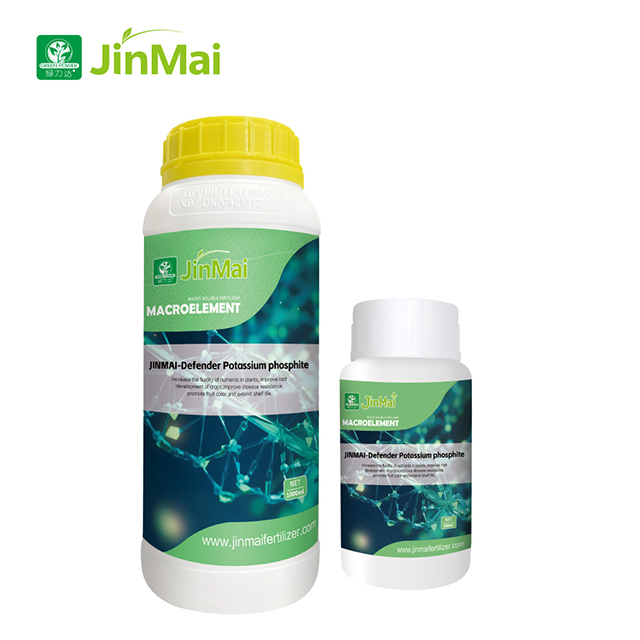


Water-soluble fertilizers offer numerous advantages, particularly when integrated into precision agriculture practices. By using these fertilizers, farmers can optimize their inputs, minimize environmental impact, and enhance crop performance. Here are some of the key benefits of using WSFs in precision farming.
Water-soluble fertilizers dissolve completely in water, making it easy for plants to absorb nutrients quickly. This contrasts with slow-release or granular fertilizers, which may take time to break down in the soil. By providing nutrients in a readily available form, WSFs ensure that plants can access the nutrients they need for healthy growth and development, even during critical stages like flowering and fruiting.
For example, liquid fertilizers can be applied directly through irrigation systems, allowing precise control over nutrient application rates. This results in better nutrient uptake, leading to healthier crops and higher yields.
One of the most significant advantages of water-soluble fertilizers is their customization options. Fertilizer formulas can be adjusted to provide the exact nutrient balance that specific crops need at different growth stages. Whether you're growing vegetables, fruits, or grains, water-soluble fertilizers can be tailored to meet the unique nutrient requirements of each plant type.
In precision agriculture, this means that farmers can use customized fertilizers for different soil conditions and crop types. For instance, a crop that requires a higher level of potassium for fruit development can be fed a water-soluble fertilizer with a higher potassium content, improving overall crop performance.
Water-soluble fertilizers increase nutrient use efficiency (NUE), meaning that more of the applied nutrients are absorbed by the plants rather than being lost to the environment. This is particularly important in modern agriculture, where minimizing fertilizer waste is critical for both environmental sustainability and cost-effectiveness.
Unlike traditional fertilizers that may leach away or get fixed in the soil, WSFs are rapidly absorbed by plants, reducing nutrient loss. This efficient nutrient uptake ensures that crops get the maximum benefit from every application, ultimately leading to better yield and reduced need for excessive fertilization.
Water-soluble fertilizers are ideal for use with precision irrigation systems such as drip and sprinkler irrigation. These systems allow farmers to apply water and fertilizers directly to the root zone of the plants, reducing water wastage and ensuring that nutrients are delivered exactly where they're needed.
By using WSFs in conjunction with modern irrigation techniques, farmers can achieve precise fertigation, a method of delivering both water and fertilizer simultaneously. This method optimizes resource use, improves nutrient efficiency, and helps to conserve water—critical factors in regions facing water scarcity.
Another notable benefit of water-soluble fertilizers is their ability to promote faster plant growth. Because these fertilizers are absorbed quickly, they provide immediate support to plants, helping them recover from nutrient deficiencies and environmental stress. This is especially valuable during periods of plant stress caused by factors such as drought, disease, or poor soil conditions.
Foliar fertilizers, a type of water-soluble fertilizer applied directly to the leaves, are particularly effective at helping plants recover from stress. Foliar application ensures rapid nutrient uptake through the leaves, providing an immediate supply of nutrients to the plant, which can help boost plant immunity and resistance to diseases.
Water-soluble fertilizers enable precise control over the amount of nutrients applied to crops. This reduces the risk of over-fertilization, a common issue with traditional granular fertilizers. Over-fertilization can lead to nutrient imbalances, increased vulnerability to diseases, and environmental pollution.
In precision agriculture, WSFs allow for quick release of nutrients when the plants need them most, reducing the chances of applying too much fertilizer. This also helps to minimize environmental impacts, such as nutrient runoff that can pollute waterways and harm ecosystems.
By providing a more controlled and efficient delivery of nutrients, water-soluble fertilizers can help improve overall soil health. When used in conjunction with other soil management practices, WSFs can help maintain a balanced soil nutrient profile, which is essential for long-term soil fertility.
Unlike traditional fertilizers that may leave behind residues or contribute to soil degradation over time, water-soluble fertilizers are typically more environmentally friendly and less likely to cause soil toxicity. This makes them an excellent choice for sustainable farming practices that prioritize soil health and ecosystem balance.

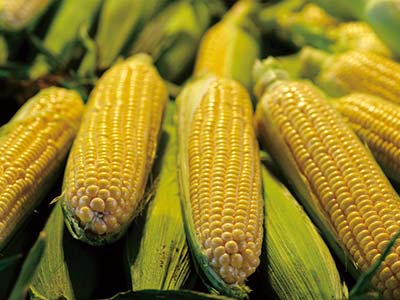
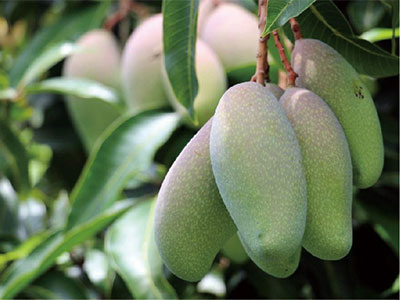
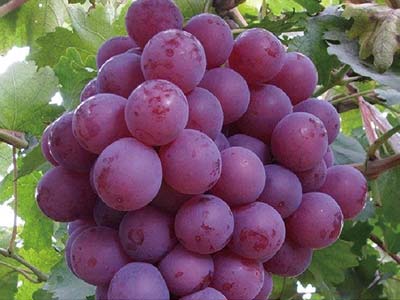
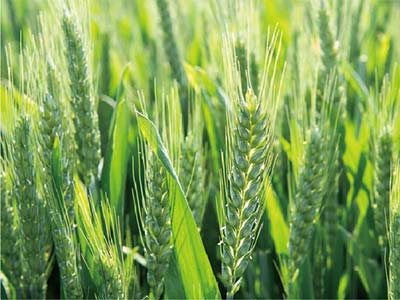
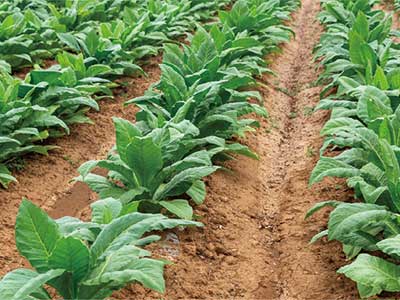
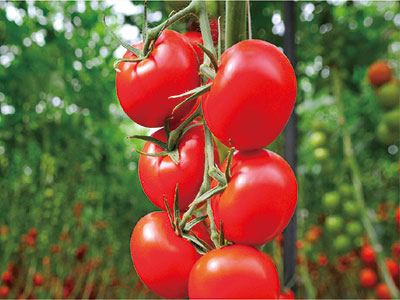


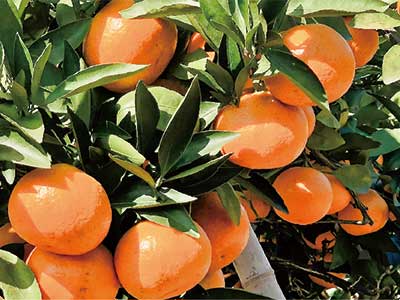
There are several types of water-soluble fertilizers available, each designed to provide specific nutrients or address different plant needs. The most common types include:
NPK Fertilizers: These are the most widely used water-soluble fertilizers and provide the essential macronutrients—nitrogen, phosphorus, and potassium—required for plant growth. NPK fertilizers can be formulated to meet the needs of specific crops, ensuring optimal growth and yield.
Phosphite Fertilizers: These fertilizers are rich in phosphorus and are often used to enhance plant stress resistance, particularly during times of disease or environmental stress. They also help improve root development and overall plant vigor.
Secondary Nutrient Fertilizers: These fertilizers supply secondary nutrients like calcium, magnesium, and sulfur, which are essential for proper plant metabolism but required in smaller amounts than the primary macronutrients.
Micronutrient Fertilizers: These fertilizers provide trace elements such as iron, zinc, manganese, and copper, which are critical for photosynthesis, enzyme activation, and overall plant health.
Each of these fertilizers can be applied as liquid fertilizer, powder fertilizer, or through foliar application, depending on the crop's specific needs and the farming method employed.
At Shandong Jinmai Biotechnology Co., Ltd., we are committed to providing high-quality, custom water-soluble fertilizers designed to meet the unique needs of farmers worldwide. With over a decade of experience in the agricultural industry, we offer a range of water-soluble fertilizer products that can be tailored for different crops, irrigation systems, and soil types.
Our products are developed using advanced chelation technology and high-purity raw materials, ensuring that your crops receive the most efficient and effective nutrient delivery possible. Whether you need NPK fertilizers, foliar fertilizers, or customized solutions, we can provide you with a tailored product that enhances nutrient uptake, improves plant health, and boosts crop yield.
Partnering with us means gaining access to not only top-quality products but also a dedicated support team to help optimize your farming practices. Let us help you unlock the full potential of your crops with our water-soluble fertilizers!
Website: www.jinmaifertilizer.com
Alibaba Website: jinmaiplant.en.alibaba.com
Email: info@sdjinmai.com
Phone: +86-132-7636-3926
1. What are water-soluble fertilizers?
Water-soluble fertilizers are fertilizers that dissolve completely in water, allowing for efficient nutrient delivery to plants through irrigation or foliar application.
2. Can water-soluble fertilizers be used with drip irrigation?
Yes, water-soluble fertilizers are perfect for use with drip irrigation systems, as they dissolve quickly in water and can be delivered directly to the plant’s root zone.
3. What is the difference between liquid and powder water-soluble fertilizers?
Liquid fertilizers are ready to use and can be applied directly to plants or through irrigation systems, while powder fertilizers need to be dissolved in water before application.
4. Are customized water-soluble fertilizers available?
Yes, we offer customized fertilizers formulated to meet the specific nutritional needs of different crops, soil conditions, and farming methods.
5. How do water-soluble fertilizers improve crop yield?
By providing nutrients in a readily available form, water-soluble fertilizers ensure that plants absorb nutrients more efficiently, leading to healthier growth, better stress resistance, and higher yields.


