T: +86-400-0987187
E: info@sdjinmai.com
E: info@sdjinmai.com
No. 6888 Jiankang East Street, High-tech Zone, Weifang, Shandong, China

Views: 0 Author: Site Editor Publish Time: 2026-05-22 Origin: Site
Poor soil is a common problem for farmers and gardeners alike. It can take many forms, including compacted soil, nutrient-deficient soil, and soils with extreme pH levels, either too acidic or too alkaline. These conditions severely affect crop growth, limiting root development, reducing nutrient uptake, and ultimately lowering yields. As the global population continues to grow, finding efficient and sustainable solutions for soil improvement has become increasingly important. While traditional fertilizers can address nutrient deficiencies temporarily, they often fail to improve soil structure or long-term fertility. This is where modern bio-based solutions, such as Humic Acid Fertilizer, play a critical role.
Humic Acid Fertilizer is derived from naturally occurring humic substances, which are formed through the decomposition of organic matter over thousands of years. These substances are rich in fulvic acid, humic acid, and trace minerals, which work together to enhance soil quality and stimulate plant growth. Fulvic acid, in particular, is highly active at the molecular level, making nutrients more accessible to crops and improving overall soil fertility.
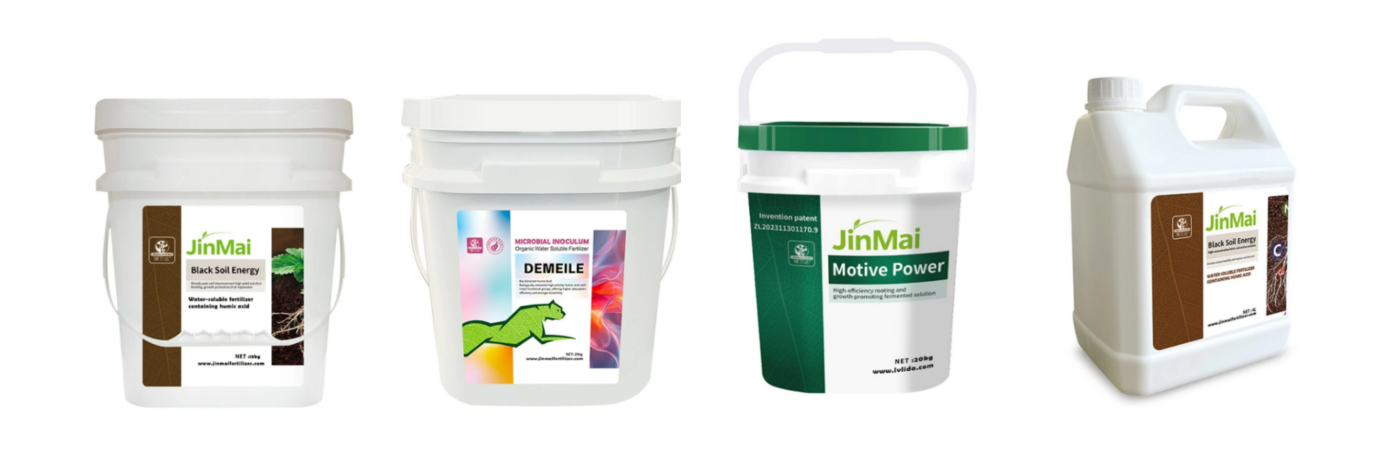
There are several forms of Humic Acid Fertilizer available to meet different agricultural needs. Liquid fertilizers are fast-acting and easy to apply, while powders and granules provide longer-lasting soil conditioning. Some specialized products include high-concentration fulvic acid solutions or fermented humic acid formulations, which are particularly effective for enhancing root development and improving nutrient uptake in stressed or degraded soils.
One of the key benefits of Humic Acid Fertilizer is its ability to improve soil structure. It reduces compaction, increases porosity, and enhances water retention. This creates a more favorable environment for root growth and allows plants to access nutrients and moisture more efficiently. Healthy soil structure also supports beneficial microorganisms, which further improve soil fertility over time.
Humic Acid Fertilizer acts as a natural chelating agent, binding to essential minerals such as nitrogen, phosphorus, potassium, and trace elements. This process makes nutrients more available for plant uptake, reducing nutrient loss through leaching. As a result, crops can absorb more nutrients efficiently, leading to better growth and higher yields.
The addition of Humic Acid Fertilizer also promotes the growth of beneficial soil microbes. These microorganisms break down organic matter, release nutrients, and improve soil aeration. By supporting a healthy microbial ecosystem, humic acid helps maintain long-term soil fertility, reduces the need for excessive chemical inputs, and contributes to a sustainable agricultural system.
Strong roots are the foundation of healthy crops. Humic Acid Fertilizer enhances root elongation and branching, allowing plants to explore a larger volume of soil for nutrients and water. This is particularly important for seedlings and transplanted crops, which need robust root systems to establish quickly.
By improving nutrient availability and soil conditions, Humic Acid Fertilizer contributes to higher crop yields and better-quality produce. Fruits and vegetables grow larger, cereals show improved grain weight, and overall plant health is enhanced. In addition, crops treated with humic acid exhibit better resistance to environmental stresses such as drought or salinity.
When used alongside conventional fertilizers, Humic Acid Fertilizer boosts nutrient uptake and reduces fertilizer loss. This synergy allows farmers to achieve the same or better results using lower amounts of chemical fertilizers, which saves costs and reduces environmental impact.
Regular application of Humic Acid Fertilizer strengthens soil health, making it more resilient to adverse conditions. It helps soils recover from compaction, excessive rainfall, or prolonged droughts, ensuring long-term productivity and sustainable land management.
The most common method for applying Humic Acid Fertilizer is direct soil application. Recommended dosages vary depending on soil type and crop, but generally, mixing humic acid into the topsoil or applying it through irrigation systems is effective. This method improves soil structure and nutrient availability directly at the root zone.
Foliar spraying allows plants to absorb humic substances directly through their leaves. This method is particularly useful for correcting nutrient deficiencies quickly and stimulating growth during critical crop development stages.
For optimal results, Humic Acid Fertilizer can be combined with organic fertilizers, microbial inoculants, or other bio-stimulants. Crop-specific strategies ensure maximum efficiency, tailored to local soil conditions and agricultural practices.
Numerous trials demonstrate the effectiveness of Humic Acid Fertilizer. In clay soils, compaction was reduced, and root penetration improved. Sandy soils retained more moisture and nutrients. Across various trials, crop yields increased by up to 20%, while soil organic matter and microbial activity showed significant improvement.
Data from controlled field trials indicate that using humic acid with conventional fertilizers can reduce chemical input by 15–25% while maintaining or improving crop output. The positive effects are observed in both high-value vegetables and staple crops, highlighting the versatility of Humic Acid Fertilizer.
Shandong Jinmai Biotechnology Co., Ltd., established in 2015, is a high-tech enterprise specializing in functional fertilizers, microbial preparations, and digital agriculture. With over a decade of production and export experience, advanced R&D capabilities, and a focus on sustainable solutions, Jinmai Biotech provides professional Humic Acid Fertilizer products that help farmers improve soil health, crop yield, and quality worldwide.
Humic Acid Fertilizer is derived from natural substances and can be produced using by-products from animal and plant processing, creating an environmentally friendly option for soil improvement. The production process avoids harmful chemicals, ensuring safety for crops, soil, and surrounding ecosystems.
By enhancing soil fertility naturally, Humic Acid Fertilizer reduces dependency on chemical fertilizers and supports sustainable agriculture. Healthy soils contribute to long-term productivity, resource recycling, and improved crop resilience, aligning with global goals for green agriculture and food security.
Humic Acid Fertilizer is a powerful tool for addressing poor soil conditions. It improves soil structure, enhances nutrient availability, stimulates root growth, and increases crop yield and quality. For farmers and gardeners seeking sustainable solutions, humic acid offers both immediate and long-term benefits. Selecting the right type and application method, combined with proper crop management, can transform degraded soils into productive, resilient, and fertile land.