
T: +86-400-0987187
E: info@sdjinmai.com
E: info@sdjinmai.com
No. 6888 Jiankang East Street, High-tech Zone, Weifang, Shandong, China

Views: 0 Author: Site Editor Publish Time: 2025-12-18 Origin: Site
Fertilizer biostimulants have become an essential part of modern crop nutrition and sustainable agriculture. Unlike conventional fertilizers that primarily supply nutrients, biostimulants work by stimulating natural plant and soil processes, improving nutrient efficiency, stress tolerance, crop quality, and yield stability. This article provides a comprehensive overview of what biostimulants are, how they function at different crop growth stages, their component categories, potential risks related to misuse, and a comparison of their major raw material sources.
According to widely accepted international definitions from the European Union (EU) and the Food and Agriculture Organization (FAO), plant biostimulants are substances or microorganisms that, when applied to plants or soils, stimulate natural physiological processes in crops. Their primary functions are to:
Improve nutrient uptake and nutrient use efficiency
Enhance tolerance to abiotic stress such as drought, salinity, and temperature extremes
Improve crop quality, yield potential, and yield stability
Biostimulants do not directly supply essential nutrients and therefore do not replace fertilizers. Instead, they enhance the effectiveness of conventional fertilization programs by optimizing plant metabolism and soil–plant interactions.
From both a practical and regulatory perspective, fertilizer biostimulants can be broadly classified into the following major component categories:
Humic substances (humic acid, fulvic acid, humin), which improve soil structure, chelate nutrients, and stimulate root activity
Seaweed and botanical extracts, rich in naturally occurring phytohormones and polysaccharides that promote growth and stress tolerance
Amino acids and protein hydrolysates, which provide readily available organic nitrogen compounds and support stress recovery
Chitosan and oligosaccharides, known for activating plant defense mechanisms and improving resistance to biotic and abiotic stress
Microbial biostimulants, including beneficial bacteria and fungi that enhance nutrient solubilization and root–soil interactions
Organic carbon–based compounds, such as organic acids and carbon extracts, which stimulate soil microbial activity and nutrient cycling
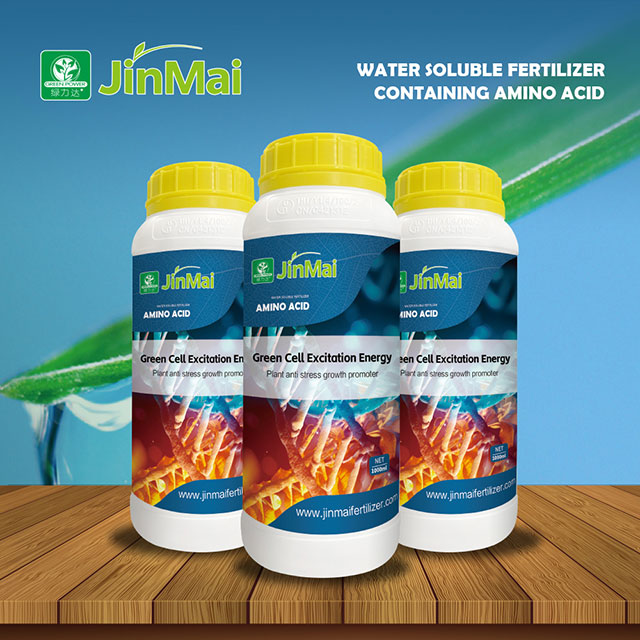
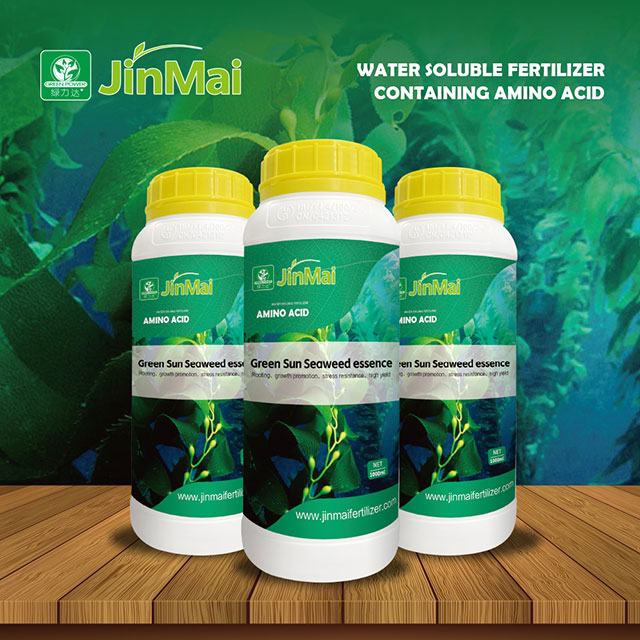
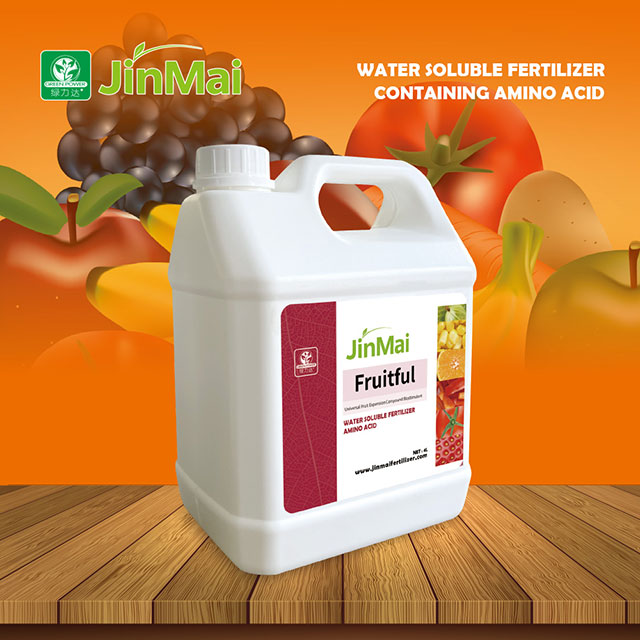

Biostimulants deliver the greatest agronomic benefits when applied at critical crop growth stages, where plant physiological demand is highest.
Crop Growth Stage | Main Physiological Role | Common Biostimulant Types | Key Agronomic Benefits |
Seed Germination & Early Rooting | Stimulate cell division and root initiation | Humic acid, Fulvic acid, Amino acids, Seaweed extract | Faster germination, stronger root system, improved early vigor |
Vegetative Growth | Enhance photosynthesis and nutrient assimilation | Amino acids, Protein hydrolysates, Chitosan oligosaccharides | Greener leaves, increased biomass, improved nutrient use efficiency |
Flowering Stage | Improve reproductive development and pollen viability | Seaweed extract, Fulvic acid, Boron-enriched biostimulants | Uniform flowering, reduced flower drop, higher pollination success |
Fruit Set | Support cell division and stress resistance | Seaweed extract, Amino acids, Microbial biostimulants | Higher fruit set rate, reduced abortion, yield stability |
Fruit Enlargement & Maturation | Promote sugar accumulation and quality formation | Amino acids, Humic substances, Potassium-enhanced biostimulants | Better fruit size, coloration, firmness, improved taste |
Stress & Recovery Periods (Drought, Salinity, Temperature) | Activate antioxidant systems and stress response pathways | Amino acids, Seaweed extract, Microbial biostimulants | Faster recovery, reduced yield loss, enhanced stress tolerance |
Biostimulants are not essential nutrients; therefore, they do not cause classical nutrient deficiency symptoms. However, insufficient or improper use may lead to suboptimal physiological performance, including:
Weak root development
Reduced nutrient uptake efficiency
Poor stress tolerance
Lower yield stability
These symptoms typically resemble nutrient inefficiency rather than true nutrient deficiency.
Although biostimulants are generally safe, excessive or inappropriate application can result in:
Nutrient imbalance due to overstimulation
Excessive vegetative growth at the expense of reproductive development
Leaf scorch from high-concentration foliar applications
Increased production costs without proportional yield benefits
For optimal performance, biostimulants should be applied at recommended dosages and growth stages, in coordination with balanced fertilization.
Biostimulants are derived from a wide range of natural and biological raw materials, each with distinct characteristics.
Raw Material Category | Typical Sources | Main Active Components | Advantages | Limitations |
Humic Substances | Leonardite, Lignite, Compost, Vermicompost | Humic acid, Fulvic acid | Improve soil structure, chelate nutrients, enhance root activity | Quality varies by source, solubility issues in low-grade materials |
Seaweed Extracts | Ascophyllum nodosum, Ecklonia maxima, Sargassum spp. | Natural hormones, polysaccharides, trace elements | Strong stress resistance, improved flowering and fruiting | Higher cost, seasonal raw material supply |
Amino Acids & Protein Hydrolysates | Animal proteins, Plant enzymatic hydrolysis | Free amino acids, peptides | Fast absorption, effective stress mitigation | Overuse may promote excessive vegetative growth |
Chitosan & Oligosaccharides | Shrimp and crab shells, Fungal cell walls | Chitosan, chitosan oligosaccharides | Induce plant defense, improve disease resistance | Limited nutritional value, timing-sensitive application |
Microbial Biostimulants | Bacillus, Azotobacter, Mycorrhizal fungi | Beneficial microorganisms | Long-term soil health, improved nutrient availability | Sensitive to storage and environmental conditions |
Organic Carbon Sources | Molasses, Organic matter extracts | Organic carbon compounds | Stimulate soil microbiology, improve nutrient efficiency | Indirect plant effects, slower response |


Advantages
Improve fertilizer efficiency and nutrient utilization
Enhance crop resilience to abiotic stress
Support sustainable and environmentally friendly farming practices
Improve yield quality and stability
Limitations
Cannot replace conventional fertilizers
Effectiveness depends on formulation, timing, and environmental conditions
Regulatory definitions and labeling requirements vary by country
Fertilizer biostimulants represent a powerful complementary tool in modern crop nutrition. By enhancing plant physiological processes rather than directly supplying nutrients, they improve fertilizer efficiency, stress tolerance, and crop performance across different growth stages. When integrated correctly with sound agronomic practices and balanced fertilization, biostimulants can significantly contribute to higher productivity and sustainable agricultural systems worldwide.
Website: www.jinmaifertilizer.com
Alibaba Website: jinmaiplant.en.alibaba.com
Email: info@sdjinmai.com
Phone: +86-132-7636-3926


