
T: +86-400-0987187
E: info@sdjinmai.com
E: info@sdjinmai.com
No. 6888 Jiankang East Street, High-tech Zone, Weifang, Shandong, China

Views: 0 Author: Site Editor Publish Time: 2026-01-22 Origin: Site
A Complete Guide to Humic Substances in Modern Agriculture
Humic acid is one of the most widely used and scientifically recognized soil conditioners and biostimulants in modern agriculture. As a core component of humic substances, humic acid plays a critical role in soil health improvement, nutrient efficiency enhancement, plant growth promotion, and stress resistance.
With the global shift toward sustainable agriculture, organic farming, and soil regeneration, humic acid–based products have become essential inputs in crop production systems worldwide.
This article provides a comprehensive overview of what humic acid is, its main types, key functions, and natural sources, using internationally accepted terminology and concepts.
Humic acid is a naturally occurring high-molecular-weight organic acid formed through the long-term decomposition and transformation of plant and animal residues by microbial activity, oxidation, and polymerization processes in soil and sedimentary environments.
Chemically, humic acid is not a single compound but a complex mixture of aromatic and aliphatic organic molecules rich in functional groups such as:
Carboxyl groups (–COOH)
Phenolic hydroxyl groups (–OH)
Quinones and carbonyl groups
These functional groups are responsible for humic acid's strong chelation capacity, cation exchange ability, and biological activity.
Humic acid is a major fraction of soil organic matter (SOM) and a key contributor to soil fertility and structure.
In soil science and agronomy, humic substances are generally divided into three main fractions based on solubility and molecular weight:
Solubility: Soluble in alkaline solutions, insoluble in acidic conditions
Molecular weight: Medium to high
Color: Dark brown to black
Key characteristics:
Improves soil aggregation and structure
Enhances cation exchange capacity (CEC)
Strong nutrient chelation and retention
Long-term soil fertility improvement
Humic acid is widely used in soil-applied fertilizers, granular fertilizers, organic fertilizers, and soil conditioners.
Solubility: Soluble in both acidic and alkaline conditions
Molecular weight: Low
Color: Yellow to light brown
Key characteristics:
High biological activity
Excellent nutrient transport and chelation
Easily absorbed by plant roots and leaves
Fulvic acid is commonly used in foliar fertilizers, fertigation systems, hydroponic nutrients, and liquid fertilizers.
Solubility: Insoluble in water at any pH
Molecular weight: Very high
Key characteristics:
Extremely stable
Contributes mainly to long-term carbon sequestration
Limited direct agricultural application
Humic acid promotes the formation of soil aggregates, improving:
Soil porosity
Aeration
Water infiltration
Water-holding capacity
This is especially beneficial for degraded soils, sandy soils, compacted soils, and saline-alkali soils.
Humic acid acts as a natural chelating agent, binding with essential nutrients such as:
Nitrogen (N)
Phosphorus (P)
Potassium (K)
Calcium (Ca), Magnesium (Mg)
Iron (Fe), Zinc (Zn), Manganese (Mn)
Benefits include:
Reduced nutrient leaching
Improved nutrient uptake efficiency
Lower fertilizer application rates
Increased nutrient use efficiency (NUE)
This makes humic acid an ideal component of NPK fertilizers, micronutrient fertilizers, and slow-release fertilizers.
Humic acid exhibits auxin-like and hormone-like effects, promoting:
Root elongation
Lateral root formation
Root hair development
A stronger root system leads to improved water absorption, nutrient uptake, and overall plant vigor.
Humic acid enhances plant tolerance to abiotic stresses, including:
Drought stress
Salinity stress
Temperature extremes
Heavy metal toxicity
By improving physiological metabolism and antioxidant activity, humic acid helps crops maintain stable growth under unfavorable conditions.
Humic acid is:
Environmentally friendly
Non-toxic
Compatible with organic farming standards (depending on source and processing)
It plays an important role in:
Reducing chemical fertilizer dependency
Improving soil carbon content
Supporting regenerative agriculture systems

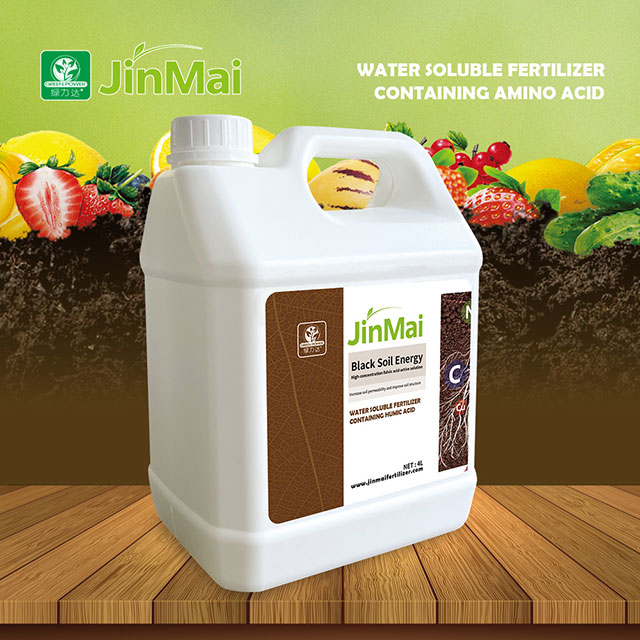


Humic acid can be extracted from several natural materials, with significant differences in purity, concentration, and agricultural effectiveness.
Most important commercial source
Very high humic acid content (50–80%)
Stable structure and strong activity
Leonardite-based humic acid is widely used in premium agricultural fertilizers and soil conditioners.
Moderate humic acid content
Less oxidized than leonardite
Often used for solid and granular products
Lower humic acid concentration
Higher organic matter content
Often used in horticulture and potting substrates
Naturally contains humic substances
Variable composition
Lower concentration and consistency
Commercial humic acid is available in multiple formulations, including:
Humic acid powder
Granular humic acid
Liquid humic acid
Potassium humate (humic acid potassium salt)
Sodium humate
Each form is designed for specific applications such as soil application, fertigation, foliar spraying, or blending with fertilizers.
Humic acid is a foundational component of soil fertility and plant nutrition, offering proven benefits in soil improvement, nutrient efficiency, root development, and crop stress resistance. Derived from natural organic matter and compatible with sustainable agriculture principles, humic acid has become an indispensable input in modern global farming systems.
As agriculture continues to evolve toward higher efficiency and environmental responsibility, humic acid and related humic substances will play an increasingly important role in soil regeneration and crop productivity worldwide.
Website: www.jinmaifertilizer.com
Alibaba Website: jinmaiplant.en.alibaba.com
Email: info@sdjinmai.com
Phone: +86-132-7636-3926


