


Choosing the right NPK fertilizer is a critical decision for farmers and agricultural professionals who want to optimize crop yield, ensure healthy plant growth, and make the most out of their farming practices. With various types of NPK fertilizers available—each offering distinct benefits—it’s essential to understand how each type works and how to select the right formula for your crops. This article will guide you through the process of choosing the right NPK fertilizer, and how to make informed decisions to maximize your harvest.
Understanding NPK Fertilizer and Its Role in Plant Growth
Before diving into the specifics of how to choose the right NPK fertilizer, it's important to understand what NPK stands for and how it functions in plant nutrition. NPK stands for Nitrogen (N), Phosphorus (P), and Potassium (K)—the three primary macronutrients that plants need in large quantities for growth and development.
Nitrogen (N): Essential for leafy growth, nitrogen is responsible for photosynthesis and overall plant vitality. A high nitrogen level promotes robust foliage and healthy green plants.
Phosphorus (P): Critical for root development, flower and fruit formation, and overall energy transfer within the plant. Phosphorus ensures that plants develop a strong foundation and produce abundant fruits and seeds.
Potassium (K): Potassium is vital for regulating water uptake, disease resistance, and overall plant health. It also helps improve the quality of fruits and vegetables by enhancing their color, texture, and size.
Choosing the right NPK fertilizer is about balancing these nutrients to match the specific needs of your crops.

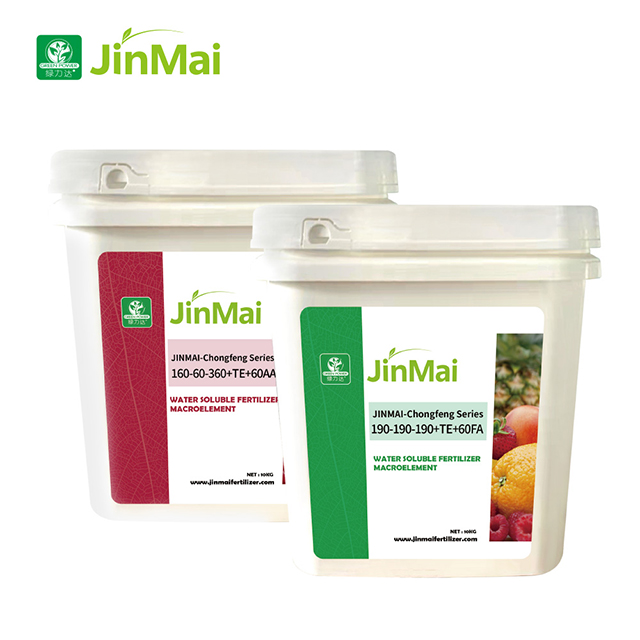

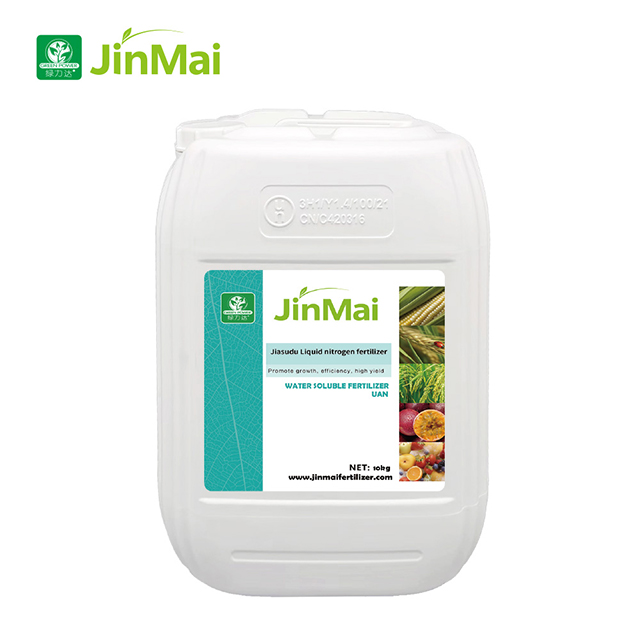

Different Types of NPK Fertilizers
When selecting an NPK fertilizer for your crops, it's important to consider the different forms of NPK available. Each form of NPK fertilizer has its unique characteristics and best-use scenarios.
NPK Water-Soluble Fertilizer
NPK water-soluble fertilizers are among the most efficient fertilizers available. They dissolve quickly in water, allowing nutrients to be absorbed by plants almost immediately. These fertilizers are ideal for drip irrigation, sprinkler systems, and foliar spraying, offering precise control over nutrient application. The rapid dissolution means your plants can access nutrients without delay, promoting faster growth and better nutrient absorption.
Water-soluble NPK fertilizers also offer flexibility in adjusting nutrient levels, which is especially useful for precision farming where targeting specific growth stages is crucial. The high efficiency and fast uptake make water-soluble NPK fertilizers an excellent choice for high-value crops that require rapid nutrient delivery.
Compound NPK Fertilizer
Compound NPK fertilizers contain a mixture of nitrogen, phosphorus, and potassium in a single formula. These fertilizers are often used for general-purpose fertilization. While they may not dissolve as quickly as water-soluble fertilizers, compound NPK fertilizers offer a steady release of nutrients to the soil over time, which is beneficial for crops with longer growing cycles.
When choosing compound NPK fertilizers, it's essential to select the correct ratio of NPK to match your crop's specific needs. For example, balanced NPK fertilizers with equal ratios of nitrogen, phosphorus, and potassium are suitable for most plants, while others may require a higher nitrogen or phosphorus ratio depending on their growth stage.
Granular NPK Fertilizer
Granular NPK fertilizers are solid, slow-release fertilizers that release nutrients gradually into the soil. These fertilizers are typically applied directly to the soil and work best for crops with long growing seasons or those that require a slow and steady nutrient supply.
Granular NPK fertilizers have the advantage of longer-lasting effects, as they break down slowly, providing a consistent supply of nutrients throughout the growing season. However, they are not suitable for precision irrigation systems or rapid nutrient uptake needs, making them better suited for field crops or areas with less intensive farming practices.
Liquid NPK Fertilizer
Liquid NPK fertilizers are similar to water-soluble fertilizers but are often more concentrated. They can be applied directly to the soil or as a foliar spray for faster absorption. Liquid fertilizers are particularly beneficial for correcting nutrient deficiencies quickly, making them ideal for situations where plants need immediate support.
Because they are easy to apply and provide nutrients in a readily available form, liquid NPK fertilizers are excellent for crops that need a quick nutrient boost or for use in high-efficiency systems where precision is required.
Powder NPK Fertilizer
Powder NPK fertilizers are dry, granular fertilizers that need to be dissolved in water before application. Like liquid fertilizers, they offer faster nutrient uptake than granular fertilizers. They are often used in small-scale farming or by those who prefer to mix their own nutrient solutions.
Powder NPK fertilizers are versatile and easy to store, but they may require more effort to mix and apply compared to liquid options.
How to Choose the Right NPK Fertilizer for Your Crops
Choosing the right NPK fertilizer depends on several factors, including the type of crops you're growing, the growth stage of your plants, your farming methods, and the specific nutrient requirements of your soil. Here are key considerations to help guide your decision:
1. Understand Your Crops' Nutrient Needs
Different crops require different levels of nitrogen, phosphorus, and potassium at various growth stages. For example:
Leafy vegetables like lettuce or spinach generally require more nitrogen to promote strong, healthy leaves.
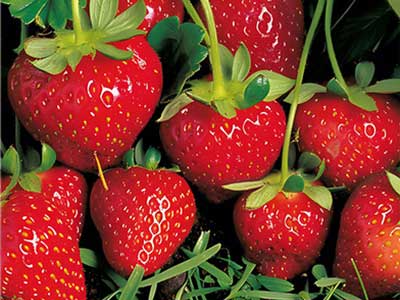
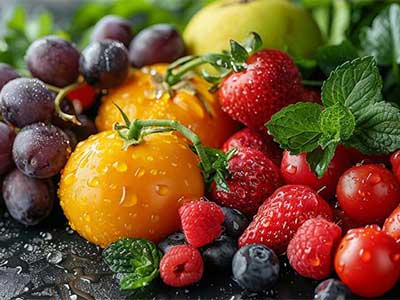
Fruit-bearing plants like tomatoes or strawberries need a balanced mix of nitrogen, phosphorus, and potassium to support both strong root systems and abundant fruiting.
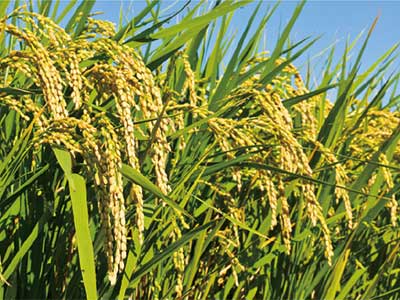
Cereals such as wheat or rice need more potassium to resist disease and improve overall plant health.
Understanding your crops' nutrient needs is the first step in choosing the correct NPK fertilizer.
2. Consider Soil Composition
Soil tests are essential for understanding the nutrient content and pH of your soil. If your soil is already rich in a particular nutrient, you may want to choose a fertilizer with lower concentrations of that nutrient. For example, if your soil has adequate levels of potassium but is deficient in phosphorus, you can choose a fertilizer with a higher phosphorus content and lower potassium.
3. Select the Right NPK Ratio
NPK fertilizers come in various formulations, with different ratios of nitrogen, phosphorus, and potassium. A balanced NPK fertilizer (e.g., 20-20-20) is suitable for general-purpose use, but other formulations are designed for specific crops:
High-nitrogen (N) fertilizers for leafy vegetables.
High-phosphorus (P) fertilizers for root crops.
High-potassium (K) fertilizers for flowering or fruiting plants.
Choosing the right ratio ensures that your plants get the right amount of each nutrient at the right time, promoting optimal growth and yield.
4. Opt for High-Efficiency NPK Fertilizers
High-efficiency NPK fertilizers, particularly NPK water-soluble fertilizers, are more effective at delivering nutrients to plants quickly and with less waste. These fertilizers often feature advanced chelation technology, which ensures nutrients are stable and available for plant absorption. Choosing high-efficiency fertilizers can help increase crop yield while reducing the amount of fertilizer needed, making it a more sustainable option in the long term.
5. Consider the Application Method
The method of applying the fertilizer also affects which type of NPK fertilizer is best suited for your needs. For example:
If you're using drip irrigation or sprinkler systems, water-soluble NPK fertilizers are ideal as they can be mixed with water and delivered directly to the plant roots.
Granular fertilizers are better for areas where irrigation systems aren't used or where slow-release fertilization is desired.
Why Choose Shandong Jinmai Biotechnology's NPK Fertilizers?
At Shandong Jinmai Biotechnology Co., Ltd., we offer a range of high-quality NPK water-soluble fertilizers tailored to meet the specific needs of your crops. With over a decade of expertise in fertilizer production, our NPK fertilizers are made from high-purity raw materials using advanced technology to ensure rapid dissolution and efficient nutrient uptake.
Whether you need liquid NPK fertilizers, granular NPK fertilizers, or customized NPK solutions, we have the right product to suit your farm's needs. Our high-efficiency NPK fertilizers are perfect for optimizing crop growth, improving quality, and maximizing yields with precision and sustainability.
Partner with us for the best in crop nutrition, and let our products help you achieve higher efficiency, healthier plants, and abundant harvests.
Contact Us
Website: www.jinmaifertilizer.com
Alibaba Website: jinmaiplant.en.alibaba.com
Email: info@sdjinmai.com
Phone: +86-132-7636-3926
FAQ
What is NPK fertilizer?
NPK fertilizer is a type of fertilizer that provides three essential nutrients—Nitrogen (N), Phosphorus (P), and Potassium (K)—which are required for plant growth and development.
How do I know which NPK fertilizer is right for my crops?
The right NPK fertilizer depends on the type of crop, the growth stage, and the soil’s nutrient profile. Soil tests can help determine what nutrients are needed.
What is the difference between water-soluble and granular NPK fertilizers?
Water-soluble fertilizers dissolve in water for quick uptake by plants, while granular fertilizers release nutrients slowly over time, making them ideal for long-term feeding.-
Can I use NPK fertilizers with drip irrigation systems?
Yes, water-soluble NPK fertilizers are ideal for drip irrigation as they dissolve quickly and are efficiently absorbed by plants through the roots.


