
T: +86-400-0987187
E: info@sdjinmai.com
E: info@sdjinmai.com
No. 6888 Jiankang East Street, High-tech Zone, Weifang, Shandong, China

Views: 0 Author: Site Editor Publish Time: 2026-02-13 Origin: Site
Is liquid fertilizer better than granular for plant growth? More growers are comparing these two options to improve yield and efficiency. Choosing the wrong fertilizer can increase costs and limit plant performance.
In this guide, you'll learn the real differences between liquid and granular fertilizers. We compare absorption speed, cost, application methods, and best-use scenarios. This helps you choose the most effective option for your crops and growing system.
| Comparison Factor | Liquid Fertilizer | Granular Fertilizer |
|---|---|---|
| Nutrient absorption speed | Fast, immediately available | Slow-release through soil breakdown |
| Application method | Spraying, irrigation, foliar feeding | Soil broadcasting or placement |
| Nutrient distribution | Even and precise | May be uneven if not spread well |
| Cost per application | Usually higher | Usually lower |
| Labor and convenience | Easy to apply and adjust | Requires spreading and watering |
| Best use scenarios | Quick correction, high-efficiency farming | Long-term feeding, base fertilization |
| Risk of overuse | Higher if over-concentrated | Lower but can cause buildup |
| Suitability for large farms | Highly efficient with irrigation systems | Common for traditional farming |
Liquid fertilizer provides nutrients in a dissolved form, making them easier for plants to absorb quickly. Because nutrients are already available in solution, plants can respond faster compared to many traditional fertilizers. Growers often choose liquid fertilizers when they need precise nutrient control, flexible application, and visible growth improvement within a short time.
Liquid fertilizer contains essential nutrients fully dissolved in water. This form allows direct absorption through roots and leaves. It supports faster plant response and efficient nutrient delivery. Many growers use it for vegetables, fruits, lawns, and greenhouse crops. It offers flexibility for both small gardens and large-scale farming.
Once applied to soil, liquid nutrients move quickly into the root zone. Roots absorb them almost immediately, supporting steady plant growth. Liquid fertilizer can also be applied as a foliar spray. Leaves absorb nutrients through their surface, helping correct deficiencies faster. It works well in fertigation systems and hydroponic setups, allowing precise and controlled feeding across different growing conditions.
| Application Method | How It Works | Benefit |
|---|---|---|
| Soil application | Moves quickly into root zone | Fast nutrient uptake |
| Foliar feeding | Absorbed through leaves | Quick deficiency correction |
| Fertigation | Mixed into irrigation water | Even nutrient distribution |
| Hydroponics | Added to nutrient solution | Precise feeding control |
There are several types of liquid fertilizers used in modern agriculture. Liquid NPK fertilizers provide balanced nutrients for general plant growth. Amino acid and biostimulant fertilizers support stress resistance and nutrient efficiency. Liquid micronutrients supply trace elements needed for healthy development. Organic liquid fertilizers help improve soil activity and sustainable crop production. Each type offers flexible application methods and supports different crop needs across growth stages.
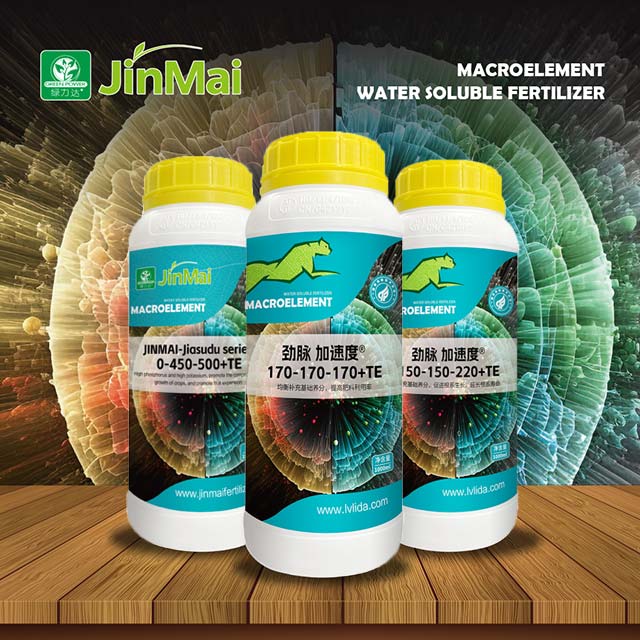


Granular fertilizer is a solid nutrient source formed into small pellets or granules. Growers apply it directly to soil, where it gradually releases nutrients over time. It is designed for steady feeding rather than rapid plant response. Many farms use it as a base fertilizer before planting or during early growth stages.
Granular fertilizer contains essential nutrients in dry, solid form. We spread it across soil surfaces or place it near plant roots. After application, moisture from watering or rain begins the release process. This slower nutrient delivery supports long-term plant development and stable growth.
Granular fertilizer activates once it contacts moisture in the soil. Water dissolves outer layers of each granule gradually. Nutrients then move into the surrounding soil for root absorption. Microbial activity and soil temperature influence the release speed. This slow breakdown allows nutrients to feed plants over extended periods.
| Release Factor | How It Affects Nutrients | Result |
|---|---|---|
| Watering or rain | Activates nutrient release | Begins breakdown process |
| Soil temperature | Controls release speed | Faster in warm soil |
| Microbial activity | Helps nutrient conversion | Improves availability |
| Granule coating | Regulates release time | Longer feeding duration |
Several types of granular fertilizers are widely used in agriculture. Compound NPK fertilizers provide balanced macronutrients for general crop growth. Slow-release fertilizers offer controlled feeding across longer growth cycles. Organic granular fertilizers support soil health and microbial activity. Each type suits different crops, soil conditions, and fertilization strategies.
Granular fertilizer remains popular due to its simplicity and cost advantages. It is easy to store, transport, and apply across large areas. Upfront costs are usually lower compared to liquid fertilizers. Many growers rely on it for base fertilization and long-term soil nutrition. Its gradual release supports consistent growth without frequent application.


When comparing liquid fertilizer vs granular fertilizer, most growers focus on speed, strength, and feeding duration. Each type delivers nutrients differently, and the right choice depends on crop needs, soil conditions, and management goals. Understanding how they perform in real growing environments helps improve yield, efficiency, and cost control.
Liquid fertilizer works much faster after application because nutrients are already dissolved and immediately available. Once applied to soil or leaves, plants can absorb nutrients through roots or foliage without waiting for breakdown. This makes liquid fertilizer ideal for correcting deficiencies quickly or supporting plants during active growth stages. Growers often use it when crops need a fast nutrient boost or when precise feeding is required.
Granular fertilizer releases nutrients more slowly. It depends on moisture, soil temperature, and microbial activity to break down each granule. As the granules dissolve, nutrients gradually enter the soil and become available to plant roots. This slower release supports consistent feeding over a longer period and reduces the need for frequent applications. For long-term soil fertility and base fertilization, granular fertilizer remains a common choice.
Many people assume liquid fertilizer is stronger because it works faster. In reality, strength depends on concentration and availability rather than physical form. Liquid fertilizer often appears milder because it is diluted before application, but its nutrients are immediately accessible to plants. This quick availability can produce faster visible results.
Granular fertilizer usually contains higher nutrient concentration per unit weight. However, those nutrients must first dissolve and move into the soil before plants can absorb them. Because of this delayed release, granular fertilizer may not show immediate results, even though it contains a strong nutrient content. The effectiveness of either type depends on correct dilution, application rate, and timing. When used properly, both can support strong plant growth.
Granular fertilizer typically lasts longer in soil due to its gradual release process. Depending on formulation and environmental conditions, it can provide nutrients for several weeks or even months. Slow-release or controlled-release granular fertilizers extend feeding duration further and reduce the frequency of application. This long-lasting effect makes granular fertilizer suitable for base fertilization and large-scale crop production.
Liquid fertilizer provides shorter-term feeding but higher efficiency. Once applied, plants absorb nutrients quickly, which supports immediate growth response. However, because nutrients are used or leached more quickly, liquid fertilizer usually requires more frequent application. Many growers combine both types, using granular fertilizer for long-term soil nutrition and liquid fertilizer for rapid correction or supplemental feeding.
Liquid fertilizer offers more uniform nutrient distribution. When sprayed or applied through irrigation systems, it spreads evenly across soil and plant surfaces. This ensures that nutrients reach target areas consistently and supports balanced plant development. It is especially effective in fertigation systems, greenhouse production, and precision agriculture.
Granular fertilizer can sometimes break down unevenly if not spread correctly. Some areas may receive more nutrients while others receive less. Proper broadcasting and watering help improve distribution, but environmental conditions still influence release patterns. Uneven breakdown may affect nutrient availability and plant uniformity in certain situations.
Liquid fertilizer has become a preferred choice for many modern growers because it delivers nutrients quickly, allows precise control, and supports efficient plant development across different production systems. Unlike traditional solid fertilizers, it enters the soil in dissolved form, making nutrients immediately available for root uptake or leaf absorption. This rapid availability makes liquid feeding especially useful during critical growth stages, when plants require immediate nutritional support to maintain healthy development and consistent yield.
One of the main reasons growers choose liquid fertilizer is its fast nutrient absorption and visible plant response. Because nutrients are already dissolved, they can move directly into the root zone and be absorbed without waiting for breakdown in the soil. This helps correct nutrient deficiencies quickly and supports rapid plant recovery. Crops experiencing stress or nutrient imbalance often show improvement within a short period after application.
Liquid feeding also supports strong vegetative growth during early development stages. It helps maintain consistent nutrient availability, allowing plants to grow evenly and efficiently. For growers managing high-value crops or intensive production cycles, this quick response can significantly improve crop performance and overall productivity.
Liquid fertilizer offers greater precision in nutrient management compared to many traditional fertilization methods. Growers can easily adjust dilution ratios to match plant requirements at different growth stages, ensuring that crops receive the right amount of nutrients without overapplication. This level of control reduces nutrient waste and minimizes the risk of fertilizer burn or nutrient imbalance.
Accurate feeding schedules are easier to implement when using liquid fertilizer. Applications can be timed according to plant development, environmental conditions, and soil nutrient levels. This flexibility allows growers to respond quickly to changing crop needs and maintain optimal nutrient availability throughout the growing cycle.
Another major advantage of liquid fertilizer is its ability to distribute nutrients evenly across plants and soil surfaces. When applied through irrigation systems or sprayers, liquid nutrients spread uniformly, ensuring consistent feeding across the entire growing area. This helps prevent uneven growth caused by patchy fertilizer distribution, which can occur with some granular applications.
Even coverage improves both root and foliar absorption. Roots receive a balanced supply of nutrients throughout the soil, while leaves can absorb nutrients directly through foliar feeding. This dual absorption pathway supports healthier plant development and more uniform crop quality, particularly in large-scale or intensive growing systems.
Liquid fertilizer fits naturally into modern agricultural systems that rely on precision and efficiency. It integrates easily into fertigation systems, allowing nutrients to be delivered directly through irrigation lines. This ensures that plants receive nutrients at the same time they receive water, improving nutrient uptake efficiency and reducing labor requirements.
Hydroponic systems depend almost entirely on liquid nutrients for plant growth, making liquid fertilizer essential in soilless cultivation. Greenhouse production also benefits from the controlled and consistent nutrient delivery that liquid feeding provides. These systems demand precise nutrient management, and liquid fertilizers offer the flexibility and control required for optimal performance.
For many high-value crops, liquid fertilizer provides clear advantages. Vegetables and fruits often require consistent nutrient supply to maintain quality, size, and yield. Liquid feeding allows growers to fine-tune nutrient delivery according to crop stage and production goals, supporting healthier plants and better harvest outcomes.
Greenhouse crops and intensive farming systems also benefit from the precision and efficiency of liquid fertilizers. In these environments, small changes in nutrient availability can significantly impact crop quality and profitability. Liquid fertilization helps maintain stable growth conditions and supports high-yield, high-quality production across demanding agricultural systems.
| Advantage Area | Liquid Fertilizer Benefit | Impact on Crops |
|---|---|---|
| Nutrient absorption | Fast and immediately available | Quick plant response and recovery |
| Feeding precision | Adjustable dilution and schedules | Accurate nutrient management |
| Distribution | Even coverage across soil and leaves | Uniform plant growth |
| Modern systems | Compatible with fertigation and hydroponics | Higher efficiency and automation |
| High-value crops | Supports quality and yield consistency | Improved productivity |

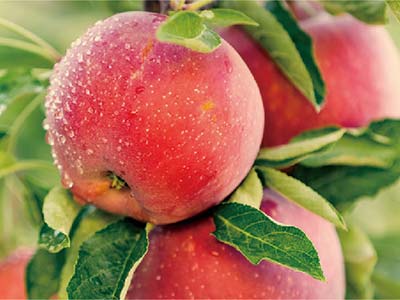

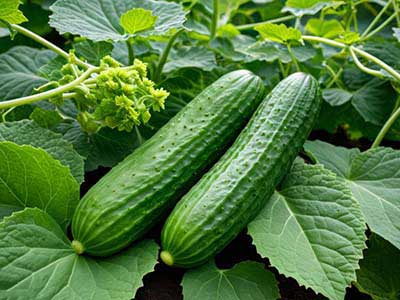
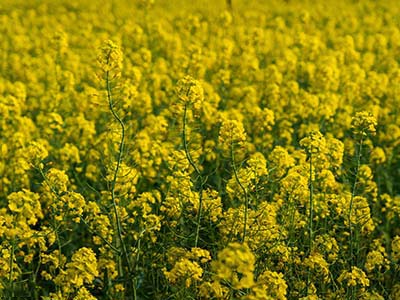

Granular fertilizer continues to be widely used across modern agriculture because it offers long-lasting nutrient supply, cost efficiency, and simple field application. Many growers rely on it to maintain stable soil fertility and consistent crop performance over time. Unlike fast-acting liquid fertilizers, granular products release nutrients gradually as they dissolve in the soil after irrigation or rainfall. This steady release supports sustained plant growth throughout the season and reduces the need for frequent fertilization, making it especially practical for growers managing large planting areas or long crop cycles.
One of the biggest advantages of granular fertilizer is its ability to provide nutrients over an extended period. After application, granules slowly break down in the soil and release nutrients in stages. This gradual process allows plant roots to absorb nutrients consistently instead of receiving them all at once. As a result, growers often need fewer applications during the growing season, saving time and labor while maintaining stable plant nutrition.
This long-lasting feeding effect is particularly valuable in outdoor farming environments where weather and irrigation schedules can vary. Even nutrient release helps avoid sudden spikes or deficiencies, supporting balanced plant development from early growth to harvest. Crops benefit from a steady nutrient supply that aligns with natural growth cycles and soil conditions.
Granular fertilizer is also known for its cost-effectiveness, especially for large-scale agricultural operations. Compared with many liquid fertilizer programs that require specialized equipment and frequent application, granular fertilizers can often be applied in bulk at a lower cost per acre. This makes them an attractive choice for growers working with tight production budgets or extensive farmland.
Application is straightforward and familiar. Farmers can broadcast or spread granular fertilizer evenly across fields using standard spreading equipment. This simplicity reduces labor intensity and allows quick treatment of large areas. Storage and transportation are also convenient because dry granules are stable and easy to handle without special containment systems.
Granular fertilizer is widely used as a base fertilizer during soil preparation before planting. It is commonly incorporated into the soil to build long-term nutrient reserves and improve soil fertility. This foundational feeding strategy ensures that essential nutrients are already present in the root zone when crops begin to grow. As the granules slowly release nutrients, they support early root establishment and stable plant development.
Using granular fertilizer for base fertilization also helps maintain soil nutrient balance over time. Regular applications contribute to long-term soil health and support consistent crop yields across multiple seasons. This makes granular fertilizers an important component of sustainable fertilization strategies for many farming systems.
Granular fertilizer is often better suited for large-scale and low-maintenance farming systems. Field crops such as wheat, corn, rice, and soybeans benefit from the steady nutrient release and reduced application frequency. Farmers managing wide planting areas can apply granular fertilizer efficiently and rely on its long-lasting effect throughout the growing cycle.
For operations aiming to simplify fertilization management while controlling costs, granular fertilizer provides a practical solution. Its ease of use, affordability, and reliability make it especially valuable for staple crop production and extensive agricultural fields where consistent, long-term nutrient supply is essential.
| Advantage Area | Granular Fertilizer Benefit | Impact on Farming |
|---|---|---|
| Nutrient longevity | Slow and stable nutrient release | Fewer applications needed |
| Cost efficiency | Lower cost per acre | Suitable for large-scale farms |
| Application simplicity | Easy broadcast spreading | Saves labor and time |
| Base fertilization | Builds long-term soil fertility | Supports early crop growth |
| Large-scale suitability | Ideal for staple and field crops | Efficient long-term fertilization |
Choosing between liquid fertilizer and granular fertilizer often depends on the type of plants you grow and how you manage them. Each plant system responds differently to nutrient delivery speed, release pattern, and feeding control. Some plants benefit from quick absorption and flexible feeding schedules. Others perform better when nutrients release slowly over time. Understanding how fertilizer works in each scenario helps growers choose the most effective option for healthy growth and stable yields.
Liquid fertilizer is often preferred for lawns when quick greening and fast visual improvement are needed. Because nutrients are already dissolved, grass roots and leaves can absorb them quickly. This rapid uptake helps correct nutrient deficiencies and improve turf color within a short time. Many homeowners and turf managers use liquid feeding during active growing seasons when lawns require immediate nutrient support.
Granular fertilizer, however, can be a better option for long-term turf maintenance. Its slow-release pattern provides steady nutrients over several weeks, reducing the need for frequent application. For large lawns or low-maintenance turf areas, granular feeding offers convenience and consistent results. Many growers combine both methods by using granular fertilizer as a base and liquid fertilizer for seasonal boosting.
Vegetables and fruit crops often respond well to liquid fertilizer because they require precise and timely nutrition throughout the growth cycle. Liquid nutrients move quickly into the root zone and can be absorbed almost immediately. This fast delivery supports rapid vegetative growth, flowering, and fruit development. During key growth stages, growers can adjust nutrient formulas to match plant demand and improve yield quality.
Precision feeding is another advantage. Liquid fertilizer allows growers to control nutrient concentration and feeding frequency. This flexibility is especially important for high-value crops where nutrient imbalance can affect fruit size, taste, and overall production. Granular fertilizer still plays a role in soil preparation, but liquid feeding often becomes the main nutrient source during active growth periods.
For potted plants and container gardens, liquid fertilizer offers easier nutrient control and more uniform distribution. Containers have limited soil volume, so nutrients can build up quickly if not managed carefully. Liquid feeding allows growers to dilute nutrients accurately and deliver them evenly throughout the potting mix. This helps roots access nutrients without creating high-salt zones.
Another benefit is reducing salt buildup. Regular flushing and controlled liquid feeding help maintain balanced nutrient levels inside containers. Granular fertilizers can sometimes accumulate unevenly in pots, especially if watering patterns are inconsistent. For indoor plants, decorative plants, and container vegetables, liquid fertilizer often provides safer and more flexible feeding management.
In hydroponic and greenhouse systems, liquid fertilizer is the dominant choice because these environments require precise nutrient control. Plants grown in hydroponics depend entirely on dissolved nutrients delivered through water. Liquid fertilizer integrates easily into irrigation systems and ensures consistent nutrient availability. Growers can adjust formulas based on crop stage, environmental conditions, and production goals.
Greenhouse crops also benefit from liquid feeding because it supports fertigation systems and controlled growing environments. Nutrient balance can be monitored and adjusted in real time, allowing for optimized plant growth and higher productivity. Granular fertilizers are rarely used in hydroponic systems because they cannot dissolve and distribute evenly through irrigation lines.
| Plant Type | Liquid Fertilizer Advantage | When Granular May Work Better |
|---|---|---|
| Lawns | Fast greening and quick nutrient uptake | Long-term turf feeding |
| Vegetables & fruits | Precise feeding and rapid growth support | Base soil fertilization |
| Potted plants | Easy dilution and salt control | Slow-release feeding in large containers |
| Hydroponics/greenhouse | Essential for nutrient solution control | Rarely used in hydroponics |
When growers compare liquid fertilizer and granular fertilizer, cost often becomes the first concern. Liquid products usually appear more expensive at first glance. Their price per liter or gallon can be higher than granular fertilizers sold in bulk. Yet real cost depends on efficiency, absorption rate, and how often we apply nutrients across the season.
Granular fertilizer normally offers a lower upfront price. Large bags can cover wide areas, making them attractive for farms or landscaping projects. Many growers choose granular products for base fertilization because they release nutrients slowly and require fewer applications. This helps reduce immediate spending and simplifies field management.
Liquid fertilizer, however, often delivers higher nutrient efficiency. Because nutrients are already dissolved, plants absorb them faster and more completely. We can apply smaller amounts and still achieve visible growth results. Application frequency may increase, yet each feeding provides precise nutrient delivery. Over time, this efficiency can offset the higher purchase price.
Another factor involves application control. Liquid feeding allows flexible dosing and targeted use. Granular fertilizer may result in uneven breakdown or nutrient loss in some soils. Efficient nutrient use often determines real cost rather than price alone.
| Cost Factor | Liquid Fertilizer | Granular Fertilizer |
|---|---|---|
| Upfront price | Usually higher per unit | Lower bulk price |
| Nutrient efficiency | High absorption rate | Moderate release efficiency |
| Application frequency | More frequent, smaller doses | Fewer applications |
| Waste and loss | Lower nutrient waste | Possible runoff or uneven release |
Return on investment depends on crop value, yield response, and management goals. Liquid fertilizer often improves yield through faster nutrient uptake and precise feeding. High-value crops such as vegetables, fruits, and greenhouse plants respond strongly to controlled nutrition. Better nutrient absorption supports stronger growth and more consistent harvest quality.
Labor and equipment also influence ROI. Liquid fertilizer works well in fertigation or irrigation systems, reducing manual spreading time. It allows automated feeding schedules and targeted application. Granular fertilizer requires less mixing but may involve additional labor for spreading and soil incorporation. For large-scale staple crops, granular fertilizer may still deliver good economic value due to its lower upfront cost.
| ROI Factor | Liquid Fertilizer Impact | Granular Fertilizer Impact |
|---|---|---|
| Yield improvement | Fast correction and growth boost | Stable long-term feeding |
| Nutrient absorption | High availability to plants | Slower uptake |
| Labor efficiency | Works in irrigation systems | Simple manual spreading |
| Best use scenario | High-value crops, precision farming | Large fields, base fertilization |
Environmental impact has become a key concern for modern growers. Today, fertilizer choice is no longer only about yield and cost. It also affects soil health, water safety, and long-term sustainability. Both liquid and granular fertilizers can support responsible farming. Their environmental performance depends largely on how they are applied, managed, and matched to plant needs.
Nutrient runoff and leaching are two of the most common environmental concerns in fertilization. Granular fertilizer, especially when left on the soil surface, may be carried away by heavy rain or excessive irrigation before nutrients reach plant roots. This not only wastes fertilizer but can also contribute to water contamination in nearby drainage systems. In sandy or loose soils, nutrients released from granules may move beyond the root zone before plants absorb them, reducing efficiency and increasing environmental pressure.
Liquid fertilizer allows more precise nutrient placement and timing. When applied through irrigation systems or targeted root feeding, nutrients reach plants quickly and are absorbed more efficiently. This precision reduces the amount of unused fertilizer left in the soil. Because growers can adjust dilution ratios and feeding frequency, liquid fertilizer helps avoid excessive nutrient buildup that might otherwise be lost through runoff or leaching. Careful scheduling and moderate application further improve nutrient retention and environmental safety.
| Environmental Factor | Liquid Fertilizer | Granular Fertilizer |
|---|---|---|
| Runoff risk | Lower when applied precisely | Higher if surface-applied |
| Leaching potential | Controlled through dosing | Depends on soil and release rate |
| Nutrient placement | Targeted root-zone feeding | Wider distribution in soil |
| Waste potential | Lower when managed well | Possible uneven breakdown |
Environmental friendliness depends more on nutrient management than fertilizer form alone. Liquid fertilizer supports controlled nutrient delivery and flexible feeding schedules, allowing growers to match plant demand closely throughout each growth stage. This reduces the risk of over-fertilization and improves overall nutrient efficiency. In greenhouse production, fertigation, and precision agriculture systems, liquid fertilizer often delivers strong sustainability advantages due to accurate dosing and minimal waste.
Granular fertilizer can also be environmentally responsible when used correctly. Slow-release and controlled-release formulations provide steady nutrient supply over time, reducing the need for frequent applications. When incorporated into soil during planting or base fertilization, they help build long-term soil fertility and minimize surface runoff. For field crops and large-scale farming, properly managed granular fertilizer remains a stable and practical option for sustainable nutrient management.
| Sustainability Factor | Liquid Fertilizer Advantage | Granular Fertilizer Advantage |
|---|---|---|
| Nutrient control | Adjustable and precise dosing | Stable long-term release |
| Over-fertilization risk | Lower when monitored closely | Possible if over-applied |
| Soil health impact | Supports targeted feeding | Builds long-term soil nutrients |
| Best eco-use scenario | Precision farming, greenhouses | Field crops, base fertilization |
Choosing between liquid fertilizer and granular fertilizer depends on practical growing conditions. Each option works well in the right situation. We should think about crop type, soil condition, irrigation method, and budget. When these factors align, fertilizer efficiency improves and plants respond more consistently.
Different crops respond differently to nutrient delivery speed. Fast-growing vegetables and fruit crops often need quick nutrient support during active growth. Liquid fertilizer helps them absorb nutrients immediately and recover from deficiencies faster. It supports leaf expansion, flowering, and fruit development when timing is critical.
For staple crops or slow-growing plants, granular fertilizer provides steady feeding over time. It works well during soil preparation and early planting stages. Nutrients release gradually and support long-term root development. Many growers combine both types across growth stages for better balance.
Irrigation setup plays a major role in fertilizer choice. Farms using drip irrigation, fertigation systems, or hydroponics benefit from liquid fertilizer. It dissolves fully and moves evenly through irrigation lines. Nutrients reach the root zone quickly and can be adjusted easily.
In rain-fed or large open-field farming, granular fertilizer may be more practical. It spreads easily across wide areas and requires fewer applications. Where irrigation control is limited, slow-release granules provide stable feeding without constant monitoring.
| Farming System | More Suitable Option |
|---|---|
| Drip irrigation | Liquid fertilizer |
| Hydroponics | Liquid fertilizer |
| Greenhouse production | Liquid fertilizer |
| Rain-fed fields | Granular fertilizer |
| Large open farms | Granular fertilizer |
Budget and labor availability influence fertilizer strategy. Liquid fertilizer may require sprayers, mixing equipment, or irrigation integration. It allows precise feeding but often needs more frequent application. Labor planning becomes important for consistent results.
Granular fertilizer usually costs less upfront per unit. It is easier to store, transport, and broadcast across large areas. Fewer applications reduce labor time. For growers managing extensive farmland, this simplicity can improve overall efficiency and reduce operating pressure.
Soil condition determines nutrient availability and retention. Poor or depleted soil may benefit from gradual nutrient release provided by granular fertilizer. It helps build baseline fertility and improves long-term soil structure.
When plants show visible nutrient deficiency, liquid fertilizer works faster. It delivers nutrients directly to roots or leaves and corrects imbalances quickly. Soil testing and crop observation help determine whether immediate correction or long-term feeding is more important.
| If you need… | Choose… |
|---|---|
| Fast results | Liquid fertilizer |
| Long-term feeding | Granular fertilizer |
| Precision feeding | Liquid fertilizer |
| Low-cost bulk fertilization | Granular fertilizer |
| Best overall strategy | Use both |
A1: It depends on crop needs. Liquid offers fast absorption; granular provides long-term feeding.
A2: Yes. Nutrients are immediately available and quickly absorbed by roots and leaves.
A3: Yes, if over-concentrated. Proper dilution prevents leaf and root damage.
A4: Usually every 1–2 weeks, depending on crop type and growth stage.
A5: Yes. Many growers combine both for balanced short- and long-term nutrition.
A6: Yields improve when fertilizer matches crop needs, timing, and soil conditions.
A7: Most use both. Liquid for precision feeding; granular for base fertilization.
Liquid fertilizer stands out for speed and precise nutrient control. Plants absorb it quickly and respond fast. Granular fertilizer works best for long-term feeding. It releases nutrients slowly and supports steady soil fertility. The right choice depends on crop type and timing. Farming methods and soil conditions also matter. Most modern growers use both together. This balanced strategy delivers stronger growth and better yields.

Green Power Group is a professional liquid fertilizer manufacturers partner serving global markets. With 10 years of production and export experience, we provide reliable, high-quality fertilizer solutions. Contact us to explore customized liquid fertilizer options for your crops and projects.


