
T: +86-400-0987187
E: info@sdjinmai.com
E: info@sdjinmai.com
No. 6888 Jiankang East Street, High-tech Zone, Weifang, Shandong, China

Views: 0 Author: Site Editor Publish Time: 2026-02-06 Origin: Site
Plant food is a comprehensive term used in modern agriculture to describe all nutritional and functional inputs that support plant growth, development, and productivity. While the term is often confused with traditional fertilizers, plant food extends far beyond basic nutrient supply. It includes mineral fertilizers, organic fertilizers, biofertilizers, and functional products designed to improve nutrient efficiency and crop performance.
Understanding plant food is essential for growers, distributors, and agricultural input buyers seeking higher yields, better crop quality, and sustainable soil management.
Plant food refers to all substances that provide essential nutrients or improve nutrient availability and utilization in plants. Plants require a balanced supply of nutrients throughout their growth cycle, from early root establishment to flowering and yield formation.
Rather than focusing solely on nutrient quantity, modern plant food strategies emphasize:
Nutrient balance
Uptake efficiency
Soil and root-zone health
Long-term sustainability
Plant food can be broadly classified into the following categories based on nutrient source and mode of action:
Mineral fertilizers supply nutrients in inorganic form and provide direct and fast-acting nutrition.
Main nutrients include:
Primary nutrients: Nitrogen (N), Phosphorus (P), Potassium (K)
Secondary nutrients: Calcium (Ca), Magnesium (Mg), Sulfur (S)
Micronutrients: Iron (Fe), Zinc (Zn), Boron (B), Manganese (Mn), Copper (Cu), Molybdenum (Mo)
Typical products: NPK fertilizers, urea, potassium sulfate, chelated micronutrients.
Organic fertilizers are derived from plant or animal materials and provide nutrients along with organic matter.
Key characteristics:
Slow-release nutrient supply
Improvement of soil structure
Enhancement of microbial activity
Examples: compost, manure-based fertilizers, organic nitrogen, amino acid fertilizers.
Biofertilizers improve nutrient availability through beneficial microorganisms or biological activity rather than direct nutrient input.
Functions include:
Biological nitrogen fixation
Phosphorus and potassium solubilization
Root growth enhancement
Soil microbial balance improvement
Biofertilizers are widely used in sustainable and integrated nutrient management systems.
These products enhance plant growth and stress tolerance without being conventional fertilizers.
Common components include:
Seaweed extracts
Humic and fulvic acids
Amino acids and peptides
Natural plant growth regulators
They improve nutrient uptake efficiency, crop resilience, and yield potential.
This category includes targeted products designed for specific applications.
Examples:
Water-soluble fertilizers
Controlled-release fertilizers
Micronutrient specialty products
Soil conditioners and amendments
These products are often used in precision agriculture and high-value crop production.
Plant food supports crop growth through multiple mechanisms:
Supplies essential nutrients for growth and yield formation
Enhances nutrient uptake and utilization efficiency
Improves root development and plant vigor
Increases tolerance to environmental stresses
Supports long-term soil fertility and sustainability
Balanced plant nutrition is critical, as nutrient imbalance or overapplication can reduce efficiency and crop performance.

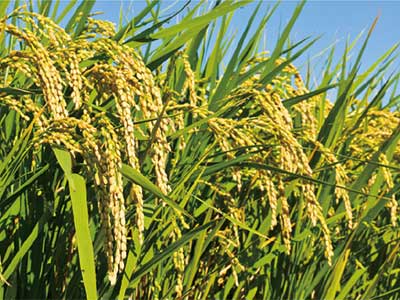
Plant food products can be applied through various methods depending on crop type, growth stage, and formulation:
Basal application before planting
Top dressing during vegetative and reproductive stages
Rapid correction of nutrient deficiencies
Common for micronutrients and biostimulants
Application through irrigation systems
Improves nutrient efficiency and uniformity
Enhances early establishment
Improves root development and nutrient uptake
Modern agriculture increasingly adopts integrated plant nutrition, combining:
Mineral fertilizers for direct nutrient supply
Organic fertilizers for soil improvement
Biofertilizers and biostimulants for efficiency and resilience
This approach maximizes productivity while minimizing environmental impact.
Plant food is a comprehensive concept that encompasses all nutritional and functional inputs required for healthy plant growth. By understanding the different types of plant food, their functions, and proper application methods, growers and agricultural input suppliers can optimize fertilization strategies, improve nutrient efficiency, and support sustainable agricultural production.
As agriculture continues to evolve toward higher efficiency and sustainability, plant food will remain a cornerstone of modern crop nutrition systems.
Website: www.jinmaifertilizer.com
Alibaba Website: jinmaiplant.en.alibaba.com
Email: info@sdjinmai.com
Phone: +86-132-7636-3926
A1: Plant food refers to all nutritional and functional products that support plant growth, including fertilizers, organic inputs, biofertilizers, and biostimulants.
A2: Fertilizer is a type of plant food, but plant food is a broader concept that also includes organic, biological, and functional products that improve nutrient efficiency.
A3: Plant food includes mineral fertilizers, organic fertilizers, biofertilizers, biostimulants, and specialty plant nutrition products.
A4: Plant food can be applied through soil application, foliar spraying, fertigation, or seed and root-zone treatments, depending on the formulation and crop needs.
A5: Plant food ensures balanced nutrition, improves nutrient use efficiency, supports soil health, and enhances crop productivity and sustainability.


