
T: +86-400-0987187
E: info@sdjinmai.com
E: info@sdjinmai.com
No. 6888 Jiankang East Street, High-tech Zone, Weifang, Shandong, China

Views: 0 Author: Site Editor Publish Time: 2026-04-13 Origin: Site
Humic acid fertilizer helps soil and plants stay healthy. It makes more nutrients available for plants. It also makes the soil better and helps roots grow strong. You use it to help crops fight stress and bugs. Studies show humic acids help soil hold water. They also help good microbes grow and lower soil toxins. This fertilizer is different from regular ones. It has active fulvic acid and smaller parts. These give faster results. More people around the world are using humic acid fertilizer. This shows it is useful for farmers and gardeners.
Humic acid fertilizer helps soil get healthier. It makes nutrients easier for plants to use. Using humic acid helps roots get bigger and stronger. Plants can take in more water and nutrients. This fertilizer helps tiny living things in the soil work better. These tiny things help plants grow and break down nutrients. Put humic acid on the soil every 4 to 6 weeks when plants are growing. For best results, mix humic acid with other fertilizers. This helps plants get more nutrients and gives better crops.

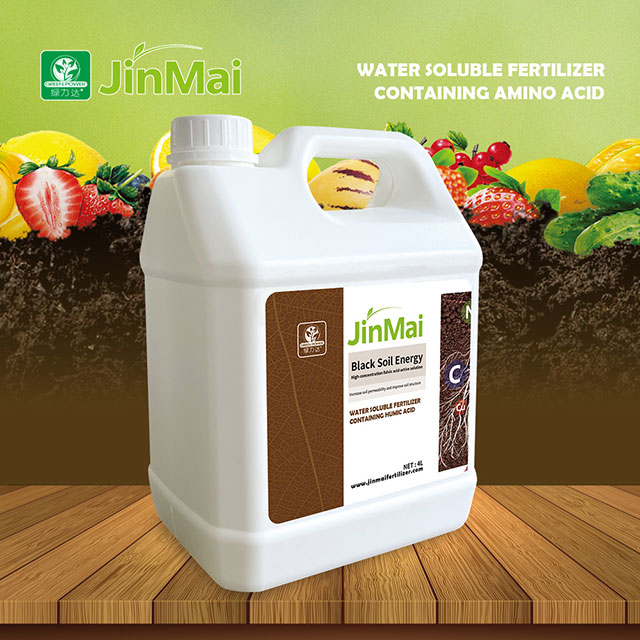


Humic acids are found in nature. They are made when plants and animals rot over time. These acids help soil stay healthy and rich. They pull in nutrients like nitrogen, phosphorus, and potassium. This makes them important for NPK fertilization.
You can find humic acids in many places:
Leonardite is a soft brown coal. It has the most humic acid.
Lignite is also brown coal. It has less humic acid than leonardite.
Peat comes from wetland areas. It is full of humic and fulvic acids.
Old plant compost makes humic substances after a long time.
Soil organic matter forms humic acids over hundreds of years.
Old lake and river beds can have layers rich in humic acids.
Some people think humic acids and huacres are the same thing. But science says huacres is good for soil, and humic acid fertilizer is different. Humic acids in fertilizer come from special places and have their own features.
Humic acid fertilizer has humic acids with a special mix of elements. It has about 60% organic carbon. It also has nitrogen, oxygen, hydrogen, and sulfur. These parts help humic acids make soil better.
Here are some main properties:
Humic acids help soil hold more nutrients.
They make soil clump together and let water stay longer.
Humic acids help plants use nutrients better.
You get more good microbes in the soil with humic acid fertilizer.
Roots grow stronger and the root area gets more active.
Humic acids help NPK fertilizers and micronutrients work better.
Humic acid fertilizer is not like regular organic fertilizers. It does not give nutrients right away. It helps soil keep and move nutrients. In poor soils, humic acids help roots take in more nutrients. Scientists say farmers have used humic products for many years. Some reviews say we need more research to know how these products work. Still, many farmers see good results in their fields.
Humic acids help soil by making nutrients easier for plants. When you use humic acid fertilizer, it acts like a magnet for nutrients. It grabs things like iron and phosphate. These stay in a form that plants can use. This is called chelation. Chelation keeps nutrients from getting stuck in the soil. Plants can get more nutrition this way.
Humic acids work in many types of soil. They make strong bonds with iron, especially in calcareous soils. They also hold phosphate using iron bridges. This helps plants get more phosphate. Humic acids can change Fe3+ into a form plants use. So, crops get more iron and phosphate for better growth.
Here is a table that shows how humic acids help chelate nutrients in soil:
Description | Result |
|---|---|
Humic acids form stable complexes with iron | More iron available for plants |
Humic acids bind phosphate through iron bridges | Increased phosphate for crops |
Humic acids reduce Fe3+ | Enhanced iron uptake |
Humic acids boost absorption of micro- and macro-elements | Better overall nutrition |
Humic acid fertilizer helps soil hold more nutrients. It lets soil release them when plants need them. This helps move nutrients to plant roots. Humic acids also help good microbes grow. These microbes break down nutrients for your crops.
Humic acids make it easier for plants to take up nutrients. When you use humic acid fertilizer, roots grow longer and branch out. This gives plants more area to take in nutrients. Fulvic acid, found in good products, helps roots grow and develop. You get more root mass and better access to nutrients.
Here is a table showing improvements in nutrient uptake:
Improvement Type | Description |
|---|---|
Root Growth | Humic acids and fulvic acid help roots grow and branch |
Nutrient Availability | Humic products keep nutrients ready for plants |
Nutrient Translocation | Fulvic acid helps move nutrients inside plants |
Humic acids help plants move nutrients from roots to leaves and stems. This makes crops grow better and stronger. You get healthier plants with strong roots. Humic acid fertilizer acts as a natural booster. It helps crops fight stress and grow well.
Humic acids make soil crumbly and loose. This gives better air and water flow. Roots can grow deep and strong. Humic acid fertilizer makes soil less packed. Roots can move through soil and take in more nutrients.
Here is a table showing how humic acids improve soil structure:
Description | Result |
|---|---|
Humic acids reduce soil bulk density | Looser soil, less compaction |
Humic acids improve water retention | Roots get more water |
Humic acids encourage soil aggregation | Better aeration and drainage |
Humic acids promote root tip cell division | More root surface area |
Humic acids help soil hold more nutrients and water. This supports plant roots and makes soil better. Humic acid fertilizer also helps good microbes grow. These microbes break down organic matter and give nutrients to plants.
Humic acid works in many soil types. Sandy soils become more stable. Saline soils move nutrients better. Bad soils get more microbes and hold more nutrients. Farms with lots of crops see better fertilizer use and root growth.
Tip: Use humic acid fertilizer to make soil better and help roots grow. You get better air, water, and nutrition for your crops.

Humic acid fertilizer helps crops grow better. It lets roots take in more nutrients from the soil. Plants get more vitamins and minerals this way. You do not need as acrech fertilizer because humic keeps nutrients close to roots. Humic binds nutrients so roots can use them easily. The table shows how humic acid helps plants absorb nutrients faster:
Evidence Source | Key Findings |
|---|---|
Citymax Group | Humic acid makes nutrients easier for plants and keeps water in the soil. This helps plants take up more nutrients. |
Humic Acid Org | Humic acid grabs important nutrients and gives them to roots. |
Humic acids help plants absorb more nutrients, especially small ones. You use less fertilizer. | |
PMC Article | Humic acid makes soil richer and helps plants grow strong and handle stress. |
Humic acid fertilizer helps soil keep more water. Its molecules pull in positive ions and hold water. This keeps crops wet for longer. Less water dries up, so roots stay moist. Studies show humic acid lets water soak in and stops it from drying out in salty soils. Water stays in the ground, so plants grow well even when it is dry. You use water better and crops grow stronger.
Humic acid fertilizer keeps crops safe from bad stuff. Humate acts like a sponge and grabs toxins like pesticides and oil. It locks heavy metals so they are not as harmful. Good microbes grow and help clean dirty soil.
Humate grabs bad chemicals and pesticides.
It makes strong bonds with heavy metals like lead and cadmium.
It makes soil better and helps microbes clean up.
Humic acid fertilizer helps crops grow more and better. Plants recover from dry weather and sickness. Roots grow stronger and take in more nutrients. The table shows how humic acid fertilizer helps crops grow bigger and better:
Crop Type | Average Yield Increase | Description |
|---|---|---|
Major Cereals | 8% - 18% | Humic acid helps crops grow more even with less water. |
Wheat, Corn, Rice | 15% - 25% | Plants take in more nutrients and recover from stress. |
Tomatoes | Up to 30% | Tomatoes have more nutrients and are worth more money. |
Humic acid fertilizer gives crops more nutrients and makes them worth more. It makes soil better, helps crops grow more, and keeps them healthy.
You can use humic acid fertilizer in different ways. Pick the method that works best for your plants and soil.
Soil application is good when you mix humic acid with zinc. This helps oat plants stay healthy and handle cold weather.
Seed priming means soaking seeds in humic acid before planting. This helps seeds sprout and roots grow better.
You can mix seed priming with soil-applied zinc or humic acid for stronger results.
Tip: Try soil application or seed priming if your crops need extra help in cold weather.
The right amount of humic acid depends on your crop, soil, and product. For liquid humic acid, use 1–4 tablespoons in a gallon of water. Apply every 4–6 weeks during the growing season. Granular humic acid needs 3–10 pounds for every 1,000 square feet. Mix it into the top layer of soil.
Apply humic acid at important times:
Spring: Start when soil gets warmer than 10°C.
Autumn: Use it to help roots save energy for winter.
After moving plants, when flower buds form, and when fruits grow bigger.
Here is a table to help you plan:
Application Scenario | Recommended Rate | Frequency |
|---|---|---|
Field Crops (Base) | 30-50 kg/acre | Once before sowing |
Lawn Maintenance | 10-15 g/m² | 1-2 times per quarter |
Fruit Trees (Trench) | 1-2 kg/tree | 1-2 times per year |
Vegetable Top Dressing | 10-20 g/m² | Every 15-20 days during season |
Note: Soak or coat seeds before planting. Use soil or foliar applications for young plants. Apply during flowering or fruiting to help crops grow more.
Humic acid fertilizer works well with other fertilizers. You can mix it with vermicompost or manure to help plants grow taller and stronger. Humic acid acts as a natural chelator. It makes micronutrients easier for plants to use.
Mix humic acid with regular fertilizers to help plants get more nutrients.
Use it with your soil care routine for best results.
Apply it when plants are stressed, like during drought, to help them recover.
Keep using humic acid regularly. This helps soil stay healthy and keeps nutrients ready for your crops.
Humic acid fertilizer can make your soil and plants healthier. It helps plants get more nutrients and grow strong roots. This also helps crops deal with stress better. Humic acid fertilizer is not the same as normal fertilizers. It gives special benefits that others do not.
Feature | Benefit |
|---|---|
Soil Fertility | Plants grow healthier and stronger |
Microbial Diversity | More helpful microbes live in the soil |
Crop Yield | You get better and bigger harvests |
You should try humic acid fertilizer if you want your crops and soil to do well.
Humic acid fertilizer works for many crops. You can use it on vegetables, grains, fruit trees, and lawns. It helps tomatoes, wheat, corn, rice, and potatoes grow better. Plants get stronger roots and take in more nutrients.
Apply humic acid fertilizer every 4 to 6 weeks. Do this while your plants are growing. Always use the right amount for your crop and soil.
Yes, you can mix humic acid fertilizer with organic or chemical fertilizers. This helps plants use nutrients better. It also makes soil healthier.
Feature | Benefit |
|---|---|
Natural Source | Safe for soil and water |
Microbe Support | Helps good soil microbes |
Using humic acid fertilizer is good for the environment.


