
T: +86-400-0987187
E: info@sdjinmai.com
E: info@sdjinmai.com
No. 6888 Jiankang East Street, High-tech Zone, Weifang, Shandong, China

Views: 0 Author: Site Editor Publish Time: 2025-12-30 Origin: Site
As any experienced gardener or farmer knows, providing your plants with the right nutrients is crucial for their growth and overall health. While macronutrients such as nitrogen, phosphorus, and potassium are often the focus of fertilization, micronutrients also play a vital role in ensuring plants thrive. These nutrients, needed in small quantities, are essential for several physiological processes, including photosynthesis, enzyme activation, and disease resistance. Choosing the best micronutrient fertilizer for your plants can make a significant difference in their growth and productivity.
In this article, we will discuss the importance of micronutrient fertilizers, how to choose the right one for your plants, and the benefits they provide. We'll also provide guidance on how to properly use these fertilizers to ensure optimal results. Whether you're a hobbyist gardener or a professional grower, understanding the role of micronutrient fertilizers and selecting the best one for your plants can lead to a healthier, more productive garden.
Micronutrient fertilizers are designed to supply essential nutrients to plants that are needed in very small amounts. These nutrients are critical for plant development, and their deficiency can lead to a range of problems, including poor growth, yellowing of leaves, and reduced crop yields. Some of the essential micronutrients include:
Iron (Fe): Vital for chlorophyll production and photosynthesis.
Zinc (Zn): Important for enzyme function, protein synthesis, and growth regulation.
Copper (Cu): Plays a role in photosynthesis and the formation of chlorophyll.
Manganese (Mn): Essential for photosynthesis, enzyme activation, and nitrogen metabolism.
Boron (B): Critical for cell wall formation, seed production, and nutrient uptake.
Molybdenum (Mo): Helps with nitrogen fixation and enzyme function.
Chlorine (Cl): Involved in the regulation of osmotic pressure and enzyme activity.
These micronutrients are available in specialized fertilizers, and they are usually present in much smaller concentrations than macronutrients. However, despite their small quantities, they are just as essential for plant health and performance.
Micronutrient fertilizers are critical for several reasons, each contributing to the overall health, strength, and productivity of plants.
Photosynthesis is the process by which plants convert sunlight into energy, which is essential for their growth. Micronutrients like iron, manganese, and copper are involved in the production of chlorophyll, the green pigment in plants that allows them to absorb sunlight and create energy. Without adequate levels of these micronutrients, photosynthesis becomes inefficient, leading to weak plants with poor growth and low productivity.
Micronutrients like copper and zinc play a significant role in strengthening a plant's immune system. These nutrients are involved in enzyme production that helps plants fend off harmful pathogens. Copper, for instance, is known to enhance a plant’s resistance to fungal infections, which can be a common problem in many gardens. Ensuring that your plants have the right balance of micronutrients can therefore improve their resilience against diseases and pests.
Strong root systems are fundamental for plant health because they absorb water and nutrients from the soil. Micronutrients such as boron and zinc help with root development, ensuring that your plants can access the nutrients they need. A well-developed root system leads to healthier plants with better access to nutrients and water, especially in challenging growing conditions.
Certain micronutrients, such as boron and molybdenum, are particularly important for flower and fruit development. Boron plays a crucial role in pollination and seed set, while molybdenum helps in nitrogen fixation, which is essential for the growth of flowers and fruits. By providing the right micronutrients, gardeners can encourage more flowers and fruit, leading to higher yields and better overall plant performance.
Many micronutrient deficiencies are not immediately noticeable until they cause significant damage to the plant. Symptoms such as yellowing leaves, stunted growth, and poor flowering are often signs of micronutrient imbalances. Regular application of micronutrient fertilizers ensures that plants receive the necessary nutrients to maintain healthy growth and avoid deficiencies that can lead to poor performance.
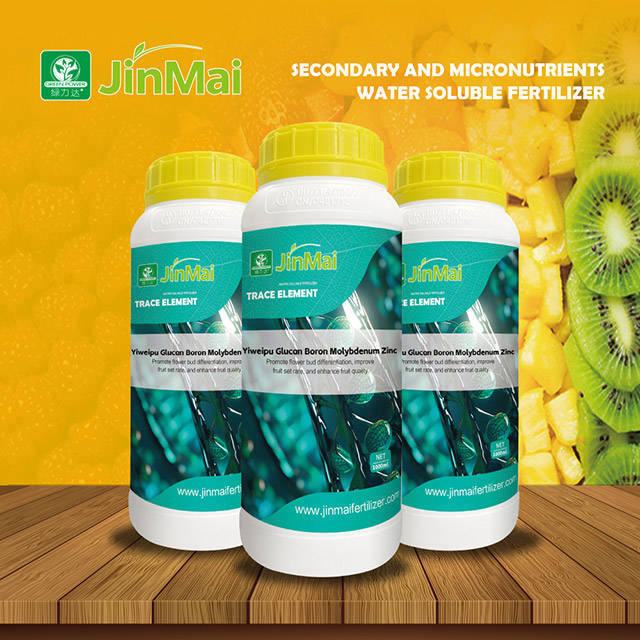

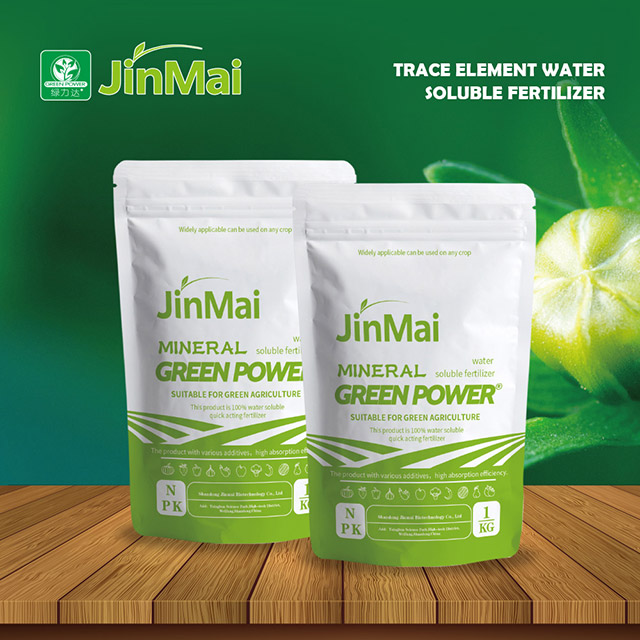

Choosing the right micronutrient fertilizer for your plants can seem daunting, especially with so many products available on the market. However, by considering a few key factors, you can make an informed decision and select the fertilizer that will best meet the needs of your garden.
The first step in choosing the right fertilizer is understanding what nutrients your plants need. Different plants have different micronutrient requirements, depending on their species and growing conditions. For example, leafy vegetables like spinach and lettuce may require higher levels of zinc and iron, while fruiting plants like tomatoes and peppers may need more boron and molybdenum to support flowering and fruit set.
Conducting a soil test is a great way to determine which micronutrients are lacking in your soil. Soil testing kits are available for home use, or you can send a soil sample to a professional lab for more accurate results. Once you know which nutrients are deficient, you can choose a micronutrient fertilizer that provides those specific nutrients.
Micronutrient fertilizers come in various forms, including granular, liquid, and foliar sprays. Each form has its advantages:
Granular Fertilizers: These are applied to the soil and slowly release nutrients over time. They are ideal for plants that need a steady supply of micronutrients.
Liquid Fertilizers: These are fast-acting and can be applied through irrigation systems or directly to the soil. They are suitable for plants that need an immediate boost of nutrients.
Foliar Sprays: These fertilizers are applied directly to the plant's leaves, allowing for quick absorption of nutrients. Foliar feeding is particularly useful for correcting micronutrient deficiencies that show visible symptoms.
While some micronutrient fertilizers are designed to target specific deficiencies, others provide a broad spectrum of micronutrients to address multiple needs. When selecting a fertilizer, look for a product that offers a balanced mix of essential micronutrients. Avoid products with excessive amounts of a single nutrient, as this can lead to imbalances and potential toxicity.
When purchasing fertilizers, it's important to choose a product from a reputable manufacturer known for quality. Fertilizers from trusted brands like Shandong Jinmai Biotechnology Co., Ltd. are formulated to provide the right balance of nutrients and ensure the health of your plants. Always read customer reviews and verify the product's effectiveness before making a purchase.
Once you've chosen the best micronutrient fertilizer for your plants, it’s important to apply it correctly to get the best results. Here are a few tips for applying micronutrient fertilizers effectively:
Follow Recommended Dosage: Over-application of micronutrient fertilizers can lead to toxicity and harm your plants. Always follow the manufacturer's recommended dosage and avoid applying more than necessary.
Apply During the Growing Season: Micronutrient fertilizers are most effective when applied during the growing season, as this is when plants are actively absorbing nutrients. Early morning or late afternoon is the best time for application to avoid evaporation.
Use Regularly: Some plants may require multiple applications of micronutrient fertilizers throughout the growing season to maintain healthy growth. Be sure to reapply as needed based on your plant's requirements and the type of fertilizer you're using.
Choosing the best micronutrient fertilizer for your plants is essential for ensuring their health, growth, and productivity. Micronutrient fertilizers provide the nutrients necessary for photosynthesis, disease resistance, root development, and flowering, leading to stronger, more resilient plants. By understanding your plants' specific needs, selecting the right fertilizer, and applying it effectively, you can enjoy a lush and thriving garden.
At Shandong Jinmai Biotechnology Co., Ltd., we are committed to providing high-quality micronutrient fertilizers that meet the specific needs of your plants. Our products are designed to enhance plant health and improve crop yields, making them the perfect choice for gardeners and farmers alike.
For more information on how our fertilizers can benefit your plants, feel free to contact us and discover how we can support your gardening success.
Q1: How do I know which micronutrient fertilizers my plants need?
A1: Conducting a soil test is the best way to identify which micronutrients are deficient. Observing plant symptoms, such as yellowing leaves or stunted growth, can also provide clues.
Q2: Can I apply too much micronutrient fertilizer to my plants?
A2: Yes, over-application of micronutrient fertilizers can lead to toxicity and harm plants. It's important to follow the recommended dosage for each type of fertilizer.
Q3: Are liquid fertilizers better than granular fertilizers?
A3: Liquid fertilizers are fast-acting and ideal for quick nutrient uptake, while granular fertilizers release nutrients slowly. The choice depends on your plants' needs and the specific growing conditions.
Q4: Can I use micronutrient fertilizers on all types of plants?
A4: Yes, all plants require micronutrients, but the amount needed may vary. It's important to choose the right fertilizer based on your plant species and growing conditions.


