
T: +86-400-0987187
E: info@sdjinmai.com
E: info@sdjinmai.com
No. 6888 Jiankang East Street, High-tech Zone, Weifang, Shandong, China

Views: 0 Author: Site Editor Publish Time: 2026-02-15 Origin: Site
Liquid fertilizers can deliver fast results, but incorrect dilution or timing can easily harm plants. Many beginners apply too much, spray at the wrong time, or skip important steps, which often leads to nutrient burn or wasted fertilizer. This guide explains how to apply liquid fertilizer safely and effectively so plants receive the nutrients they need without risk.
In this article, you will learn:
What liquid fertilizers are and how they work
The correct steps for mixing and applying liquid fertilizer
When and how often to apply for best results
How to apply liquid fertilizer to lawns, potted plants, and hydroponics
Common mistakes to avoid and practical tips for beginners
Liquid fertilizers supply plant nutrients in a dissolved form, making them easier and faster for plants to absorb. They move quickly through soil and root zones, allowing nutrients to reach plants without long breakdown times. Many growers use them because they deliver nutrients efficiently and support visible growth within a short period. When diluted correctly, they provide a safe and effective feeding method for many plant types.
They are suitable for several application methods. Growers can apply them directly to the soil, spray them onto leaves for foliar feeding, or mix them into irrigation systems. This flexibility makes them useful for home gardens, lawns, potted plants, and large-scale farming. Because nutrients are already in liquid form, plants can absorb them more quickly than many traditional fertilizers.
Liquid fertilizers also offer practical advantages. They spread evenly across soil and plant surfaces, helping ensure consistent nutrient coverage. They are easy to mix with water and simple to apply using sprayers or watering systems. Many growers prefer them because they allow precise control over nutrient strength and application timing, making plant care more efficient and responsive to growth needs.
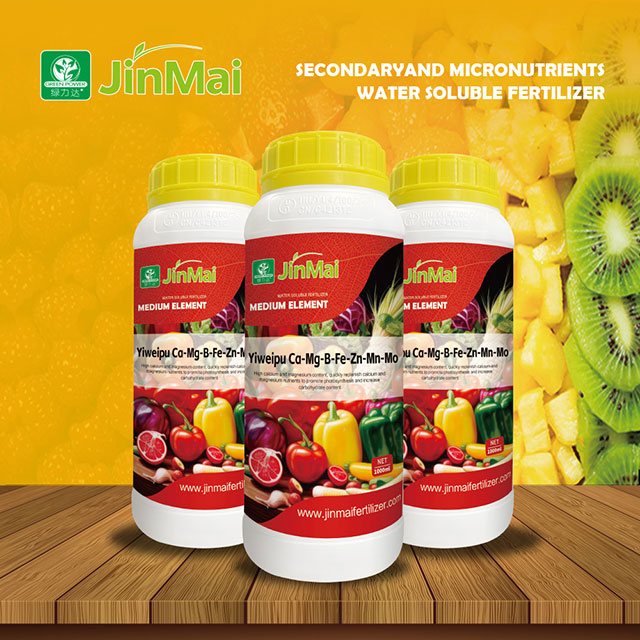
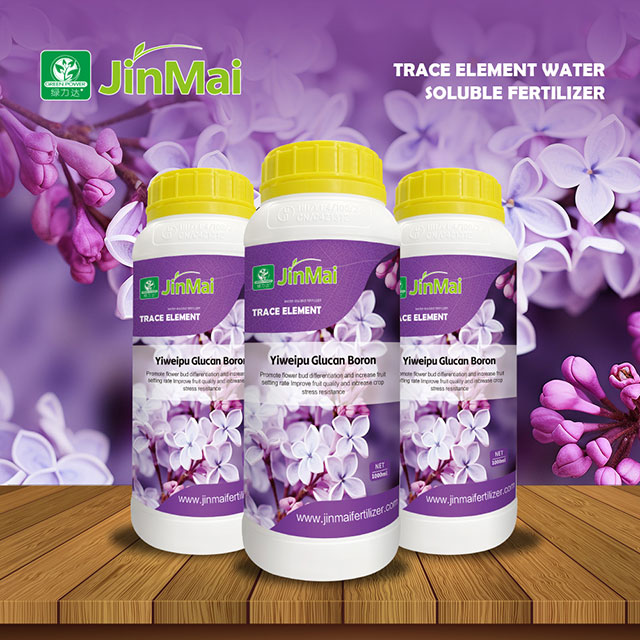
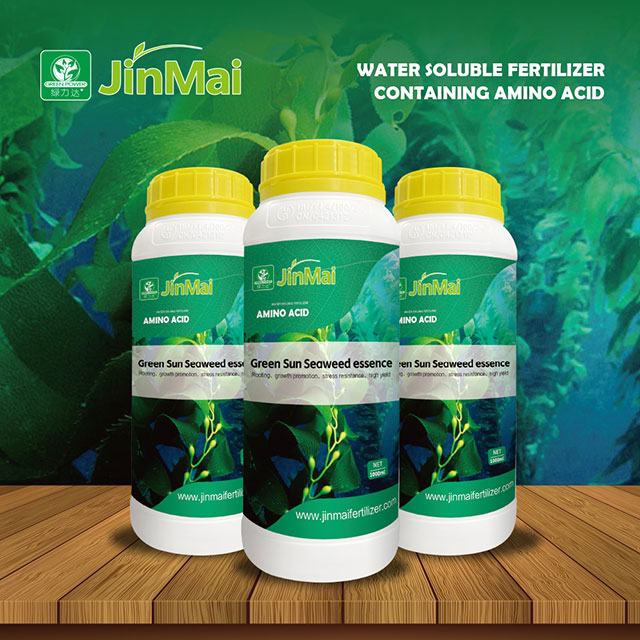

Applying liquid fertilizer correctly helps plants absorb nutrients quickly and safely. We just need a simple process and consistent method. Each step improves nutrient efficiency and reduces the risk of plant stress or fertilizer burn.
Always check the label before mixing or applying. It shows the correct dosage and recommended use. Different plants and products require different application methods. Choose based on plant type and growing conditions:
Soil drench for direct root absorption
Foliar spray for fast nutrient correction
Irrigation system or watering can for large or frequent feeding
Proper dilution protects plants from damage. Strong mixtures can burn leaves and roots quickly. Measure fertilizer carefully and mix it into clean water. Stir or shake until fully blended. Avoid guessing the ratio. Use measuring tools and follow instructions to maintain a safe nutrient balance.
Even application ensures consistent plant growth. Use a sprayer or watering can to distribute nutrients smoothly. Move steadily across the area. Avoid spraying one spot for too long. Adjust pressure and spray pattern if needed. Uniform coverage improves nutrient absorption and reduces waste.
Apply liquid fertilizer during cooler hours. Early morning or late afternoon works best. Plants absorb nutrients more efficiently in mild temperatures. Avoid strong midday sunlight and high heat. It can cause evaporation and reduce effectiveness.
Light watering after application helps nutrients move into the root zone. It improves soil absorption and prevents surface buildup. Observe plant response over the next few days. Healthy color and steady growth usually appear quickly. Adjust future feeding based on plant condition and growth stage.
Applying liquid fertilizer at the right time improves nutrient absorption and plant health. We focus on daily timing, growth stages, and feeding frequency. Correct scheduling helps plants grow steadily and prevents nutrient waste or plant stress.
Early morning is often the best time for application. Temperatures stay cooler, and plants absorb nutrients more efficiently. Nutrients move through roots and leaves before heat increases. Late afternoon is another good option. Sunlight becomes softer, and evaporation slows down, allowing nutrients to remain active longer.
Midday application should be avoided whenever possible. Strong sunlight and high temperatures can reduce effectiveness and stress plant tissues. Applying during cooler hours helps nutrients remain available and improves overall feeding results.
| Time of Day | Effect on Plants | Recommendation |
|---|---|---|
| Early morning | Best absorption and stability | Highly recommended |
| Late afternoon | Lower evaporation | Good option |
| Midday heat | Reduced uptake, leaf stress | Avoid if possible |
Plants require more nutrients during active growth. Early growth stages benefit from consistent feeding to support root and leaf development. During active growth periods, plants consume nutrients quickly and respond well to regular liquid feeding. After heavy rain, soil nutrients may be washed away, so reapplication helps restore nutrient balance and maintain healthy growth.
Feeding frequency depends on plant type and growth speed. Fast-growing plants often respond well to weekly feeding. Slower-growing plants may only require application every two weeks. Container plants and indoor plants usually need lighter but consistent feeding schedules.
Plant condition provides useful signals. Pale leaves, slow growth, or reduced vigor often indicate nutrient deficiency. When these signs appear, adjusting feeding frequency can help restore healthy growth and improve plant performance.
Liquid fertilizer can be used in many growing situations. We adjust the method based on plant type, growing system, and nutrient needs. Proper technique helps plants absorb nutrients efficiently and reduces waste.
Lawns require even and consistent coverage. Uniform spraying ensures balanced growth and prevents patchy areas. A hose-end sprayer or pump sprayer helps distribute nutrients smoothly across large surfaces. Walk at a steady pace and maintain a consistent spray pattern. Avoid concentrating too much solution in one spot.
Lawns benefit most from feeding during active growth periods. Early spring and recovery after heavy rain are ideal times. Nutrients support root development and improve overall lawn color. Light watering after application helps move nutrients into the soil.
| Lawn Application Tip | Why It Matters |
|---|---|
| Even spraying | Prevents uneven growth |
| Use proper sprayer | Improves coverage control |
| Feed during growth | Supports root strength |
| Water lightly after | Helps nutrient absorption |
Potted plants require careful dilution. Limited soil volume makes roots more sensitive to strong fertilizer solutions. Use a gentle soil drench method. Apply the diluted solution evenly across the potting mix. Allow excess water to drain to prevent buildup.
Foliar feeding can help when plants show nutrient deficiency. Spray lightly onto leaves during cooler hours. This supports quick nutrient absorption. To avoid salt buildup in containers, flush pots occasionally and avoid overfeeding. Consistent but moderate application supports healthy indoor and outdoor container plants.
Liquid fertilizer works well in hydroponic and water-based systems. It mixes easily into nutrient solutions and provides direct feeding. Always dilute properly before adding to reservoirs or irrigation systems. Balanced nutrient concentration helps maintain stable plant growth.
Check systems regularly to ensure proper nutrient levels. In drip irrigation systems, fully dissolve fertilizer before use. This prevents clogging and uneven distribution. Cleaning lines and monitoring water quality help maintain efficient feeding conditions.
Foliar feeding delivers nutrients directly through leaves. It works best when plants need quick correction or support during active growth. Use proper dilution and apply a fine mist for even coverage. Spray both upper and lower leaf surfaces when possible.
Apply foliar fertilizer during early morning or late afternoon. Cooler conditions improve absorption and reduce leaf stress. Avoid spraying under strong sunlight. It can lead to leaf burn or reduced effectiveness.
| Foliar Feeding Tip | Benefit |
|---|---|
| Fine mist spraying | Improves leaf coverage |
| Correct dilution | Protects leaf tissue |
| Cool-hour use | Enhances absorption |
| Even application | Supports balanced growth |
Weather conditions play a major role in how well liquid fertilizer works. Temperature, moisture, and wind all influence nutrient absorption and distribution. We should always check the environment before applying. Small timing changes can improve results and prevent waste.
Light rain can sometimes help fertilizer move into the soil. It improves root absorption and reduces surface residue. However, heavy rain can wash nutrients away quickly. This leads to runoff and poor feeding efficiency.
If light rain is expected soon, application can still work. Use a moderate dilution and apply evenly. Avoid applying before storms or heavy showers. Nutrients may be lost before plants can absorb them.
To prevent nutrient runoff, apply smaller amounts more frequently. Focus on calm weather windows. Soil should be moist but not saturated. This helps nutrients stay near plant roots instead of draining away.
| Rain Condition | Recommended Action |
|---|---|
| Light rain expected | Safe to apply lightly |
| Heavy rain forecast | Delay application |
| Saturated soil | Wait before feeding |
| Mild drizzle after use | Helps nutrient movement |
Applying to slightly damp grass can be acceptable. Moisture helps nutrients spread across the surface. It also supports root absorption after application. However, plants should not be dripping wet. Excess water can dilute nutrients too quickly.
If leaves are wet from rain or heavy watering, wait until they dry slightly. This allows fertilizer to stay in place. It improves nutrient uptake and reduces runoff risk. For foliar feeding, dry leaves give better absorption and coverage.
We aim for balanced moisture. Not fully dry. Not soaked. This helps plants absorb nutrients efficiently.
Windy conditions reduce application accuracy. Spray drift can move nutrients away from target plants. This causes uneven feeding and possible waste. Strong wind may also carry fertilizer onto unintended surfaces.
Calm weather allows better control and uniform coverage. Early morning or late afternoon usually offers lower wind speeds. If light wind exists, keep the sprayer close to plants. Use low pressure and larger droplets. This reduces drift and improves placement.
| Wind Condition | Application Advice |
|---|---|
| Calm air | Ideal for spraying |
| Light breeze | Apply carefully, low pressure |
| Moderate wind | Risk of uneven coverage |
| Strong wind | Postpone application |
Many beginners apply liquid fertilizer incorrectly. Small errors can reduce results or damage plants. We should focus on dilution, timing, and application habits. Avoiding common mistakes keeps plants safe and healthy.
Using a strong mixture often leads to fertilizer burn. Leaves may turn yellow or brown quickly. Roots can also suffer stress and slow growth. Plants struggle to absorb nutrients when salt levels rise too high.
We should always follow the label instructions carefully. Measure the solution using proper tools. Do not guess the ratio. Even small changes can affect plant health.
To prevent plant stress:
Always dilute fertilizer according to instructions
Test on a small area first
Use weaker solutions for young plants
Avoid repeated strong feeding
| Mistake | Result | Better Practice |
|---|---|---|
| Over-concentrated mix | Leaf burn, root stress | Follow dilution ratio |
| Guessing measurements | Uneven feeding | Use measuring tools |
| Frequent strong feeding | Salt buildup | Apply lighter doses |
Midday heat reduces fertilizer efficiency. Strong sunlight increases evaporation quickly. Nutrients may dry before entering the soil. Leaves can also burn under direct sun.
Morning and late afternoon work better. Cooler temperatures improve absorption. Plants remain hydrated and active during these periods. This allows nutrients to move properly through roots and leaves.
We should avoid hot, dry hours. Calm, cool conditions help fertilizer perform effectively.
Some plants need light watering after feeding. It helps nutrients reach the root zone faster. Without moisture, fertilizer may stay on the surface. Roots cannot absorb nutrients efficiently.
Watering also prevents salt buildup near roots. However, not every situation needs extra watering. Foliar feeding may not require it. Soil applications often benefit from gentle watering.
We should observe soil moisture first. If soil feels dry, add light watering. If already moist, avoid overwatering.
| Application Type | Need Post-Watering? | Reason |
|---|---|---|
| Soil drench | Yes, lightly | Moves nutrients to roots |
| Foliar spray | Usually no | Absorbed through leaves |
| Lawn feeding | Often yes | Improves soil penetration |
| Hydroponics | No | Already in solution |
Liquid fertilizer can settle during storage. Nutrients may separate at the bottom. If not mixed well, plants receive uneven feeding. Some areas get too much. Others receive too little.
We should shake or stir before every use. Check for sediment in the container. Mix thoroughly until the solution looks uniform. Proper storage also helps maintain quality. Keep containers sealed and away from heat. Simple mixing habits improve nutrient balance. Plants receive consistent feeding each time.
A1: Yes. Use proper dilution and spray evenly. Apply during cool hours to avoid leaf burn.
A2: Light watering helps nutrients reach roots. Skip watering for foliar feeding unless soil is dry.
A3: Avoid heavy rain. Light rain is acceptable but may dilute nutrients and reduce effectiveness.
A4: Usually every 1–2 weeks. Adjust frequency based on plant type and growth stage.
A5: Yes. Use hydroponic-specific formulas and maintain correct nutrient balance.
A6: It works faster for quick correction. Soil feeding supports long-term root nutrition.
Liquid fertilizer is one of the most efficient ways to deliver nutrients to plants. When applied correctly, it improves absorption, supports faster growth, and reduces nutrient waste. The key to success lies in proper dilution, correct timing, and suitable application methods. Consistent and balanced feeding helps plants develop stronger roots and healthier foliage.

Green Power Group is a professional liquid fertilizer manufacturers partner serving global markets. With 10 years of production and export experience, we provide reliable, high-quality fertilizer solutions. Contact us to explore customized liquid fertilizer options for your crops and projects.


