
T: +86-400-0987187
E: info@sdjinmai.com
E: info@sdjinmai.com
No. 6888 Jiankang East Street, High-tech Zone, Weifang, Shandong, China

Views: 0 Author: Site Editor Publish Time: 2026-03-19 Origin: Site
Granular fertilizers often leave plants starving while waiting for microbial breakdown to occur. Liquid fertilizer changes this dynamic entirely. You can deliver vital nutrients directly to roots and leaves for almost instant absorption. Traditional solid top-dressing significantly limits nutrient utilization. Transitioning to a liquid application strategy provides up to a 30% higher nutrient utilization rate. This closes the efficiency gap by shifting your garden from slow-release waiting periods to a rapid 1–3 day absorption window.
This guide provides a comprehensive technical framework for creating your own high-quality liquid feeds. We explore proven methods using diverse organic and mineral inputs to build potent formulas. You will learn the exact steps to formulate, dilute, and apply these solutions safely. Gardeners and small-scale producers can follow these guidelines to maximize crop resilience and yield.
Bioavailability is King: Liquid fertilizers bypass the lengthy microbial breakdown required by solids, delivering nutrients directly to the root zone or foliage.
The 1:10 Rule: Proper dilution is the primary safeguard against osmotic shock and root burn.
Fermentation Stability: Successful DIY batches require gas management and carbon-to-nitrogen balancing to prevent putrefaction.
Targeted Nutrition: Customizing formulas allows for the delivery of specific secondary nutrients and amino acids often missing in generic NPK mixes.
Plants cannot eat solid matter. They drink their food. Granular inputs must undergo extensive microbial digestion before roots can access their payload. This delay risks nutrient leaching during heavy rains. Liquid formulas bypass this physical breakdown phase entirely. They deliver dissolved ions directly to the rhizosphere.
Roots absorb nutrients through osmosis and active transport. High-quality water soluble fertilizers provide nutrients in an immediately bioavailable format. Once applied, these solutions enter the root hairs within hours. They migrate into the plant vascular system fast. This rapid uptake helps crops recover quickly from sudden environmental stress.
Macronutrients alone do not guarantee a healthy harvest. Plants demand Calcium for cell wall structure. They need Magnesium for chlorophyll production. They require Sulfur for protein synthesis. Creating a targeted secondary nutrient fertilizer in liquid form prevents common deficiencies like blossom end rot. Liquid delivery is the most effective way to rush these critical minerals into plant tissues during peak growth phases.
You can apply liquid nutrition in two distinct ways. Soil drenching saturates the root zone. It feeds both the plant and the soil microbiology. Foliar feeding targets the leaves directly. Plant leaves contain microscopic pores called stomata. Stomata can absorb nutrient sprays, offering a powerful bypass route. Foliar applications work best for correcting acute micronutrient deficiencies fast.
Not all homemade brews succeed. You must define quality carefully. A successful liquid batch demonstrates excellent clarity after filtration. It maintains a stable pH over time. It boasts high nutrient density without triggering toxic salt accumulation. Relying on visual and olfactory cues helps you measure these success criteria effectively.
Creating a balanced formula starts with smart ingredient selection. You need a mix of nitrogen sources, mineral accumulators, and microbial fuel. Every ingredient serves a specific biochemical purpose.
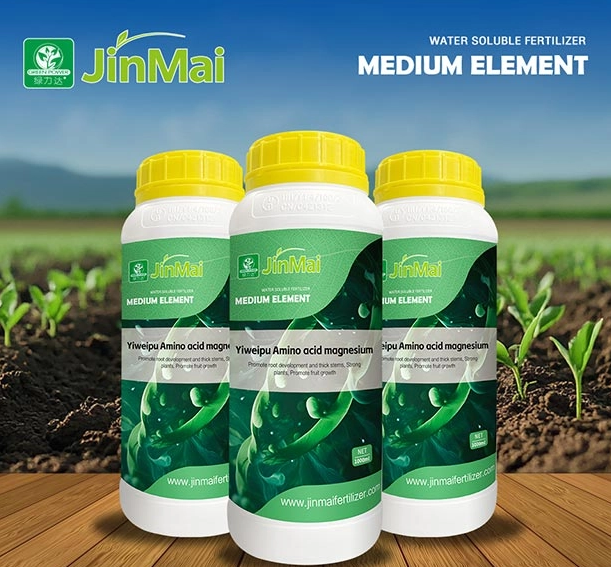
Vegetative growth requires heavy nitrogen inputs. Fish scraps, stinging nettles, and high-protein legumes serve as excellent base materials. Fermenting these proteins breaks them down into simpler peptides. This process creates a rich amino acid magnesium fertilizer base. Amino acids act as natural chelators, helping plants absorb stubborn minerals more efficiently.
Dynamic accumulators are plants characterized by deep taproots. They pull trace minerals from deep subsoil layers into their leaves. Comfrey is famous for its exceptionally high Potassium content. Horsetail provides a massive dose of natural Silica. Silica strengthens plant cell walls and deters pest damage. Harvesting these accumulators transforms them into potent liquid extracts.
Ocean-based ingredients offer unmatched trace mineral diversity. Kelp contains powerful natural growth hormones called cytokinins. Cytokinins stimulate rapid cell division and delay plant aging. Ocean water itself carries over 80 trace minerals. Using highly diluted ocean water (or reconstituted sea salt) re-mineralizes depleted potting soils beautifully.
Fermentation relies on hungry microbes. Microbes require simple carbohydrates to multiply. Molasses serves as the ultimate microbial fuel. Unsulfured blackstrap molasses provides both sugars and trace iron. Adding molasses stabilizes the fermentation process. It prevents protein-heavy mixtures from turning putrid by encouraging beneficial aerobic bacteria.
| Ingredient | Primary Nutrient | Key Benefit | Best Used For |
|---|---|---|---|
| Fish Scraps / Emulsion | Nitrogen (N) | High amino acid profile | Early vegetative growth |
| Comfrey Leaves | Potassium (K) | Supports fruiting/flowering | Mid-to-late season crops |
| Crushed Eggshells | Calcium (Ca) | Strengthens cell walls | Preventing blossom end rot |
| Kelp / Seaweed | Trace Minerals | Contains natural cytokinins | Stress resistance, cloning |
Different garden setups require different extraction methods. Choose your technique based on your available equipment, time constraints, and specific crop needs.
This method focuses on high-speed microbial inoculation. It multiplies beneficial bacteria and fungi rapidly.
Place two cups of premium worm castings or mature compost into a fine mesh bag.
Suspend the bag in a 5-gallon bucket filled with dechlorinated water.
Add two tablespoons of unsulfured molasses to feed the microbes.
Submerge an air stone connected to an aquarium pump into the bucket.
Aerate the mixture continuously for 24 to 48 hours.
The resulting brew must be used within 4 hours of turning off the pump to ensure microbial survival.
Also known as Jadam Liquid Fertilizer, this technique focuses on long-term nutrient extraction. It offers excellent shelf stability.
Pack a large bucket tightly with chopped plant material like weeds or comfrey.
Add a handful of leaf mold or healthy garden soil to introduce local biology.
Fill the container with rainwater until all plant matter is completely submerged.
Cover the container with a loose-fitting lid to allow gas escape.
Let the mixture ferment for 2 weeks to 3 months depending on ambient temperatures.
This method recycles everyday kitchen waste into immediate nutrition. It works perfectly for small container gardens.
Collect five banana peels and bake them slightly to remove excess moisture.
Crush ten dried eggshells into a fine powder.
Place these ingredients into a large glass jar.
Fill the jar with warm water and let it steep for 3 to 7 days.
Strain the liquid and apply it to fruiting plants like tomatoes or peppers.
Never skip filtration. Solid particulates will quickly clog drip irrigation emitters and foliar spray nozzles. Pour your finished liquid through a 200-micron mesh screen or a basic paint strainer bag. Thorough filtration ensures smooth application and prevents localized mold growth on plant leaves.
Making liquid fertilizer carries certain risks. Applying raw, undiluted ferments can destroy root systems through osmotic shock. You must evaluate your batches carefully before application.
Visual density provides a reliable indicator for safe dilution. A finished liquid concentrate should never be applied straight. Dilute your extract with fresh water until it resembles the color of weak, translucent ice tea. This typically requires a ratio between 1:10 and 1:20. Seedlings demand even higher dilutions, closer to 1:50.
Your nose is a powerful diagnostic tool. A healthy aerobic brew smells earthy, sweet, or slightly yeasty. It resembles a forest floor after fresh rain. Conversely, a failed anaerobic batch smells sharply putrid, like rotting meat or sulfur. If your batch smells like a sewer, you likely lacked sufficient carbon (molasses) or oxygen.
Safety must remain your top priority. Never include meat scraps, dairy products, or cooking oils in your DIY fertilizers. These materials attract pests and breed dangerous human pathogens. E. coli and Salmonella thrive in improperly managed animal waste. Stick strictly to plant matter, clean eggshells, and specialized fish inputs.
Active fermentation produces significant volumes of carbon dioxide. Sealing a brewing container tightly creates a makeshift pressure bomb. Implement proper gas management to prevent container rupture. You can install simple one-way brewing airlocks. Alternatively, practice daily "burping" by manually loosening the lid to release built-up pressure.
Always test new batches on a single "sacrificial" plant before wide application.
Use rainwater or well water instead of chlorinated city water to protect microbes.
Store finished concentrates in cool, dark areas to prevent algae blooms.
Monitor soil pH monthly to ensure long-term acidic/alkaline balance.
Scaling up your fertilizer production forces you to weigh time against money. Total Cost of Ownership (TCO) in agriculture includes your physical labor.
DIY fertilizers cost pennies in raw materials. They transform free yard waste into valuable crop food. However, they require significant labor hours for chopping, brewing, filtering, and cleaning equipment. Commercial liquid minerals cost more upfront. Yet, they save immense amounts of time. Commercial products also guarantee precise nutrient ratios, eliminating the guesswork from feeding schedules.
Homemade "wild" batches suffer from inherent variability. One comfrey harvest might yield 4% Potassium, while the next yields 2%. This inconsistency makes precision agriculture difficult. Lab-tested commercial alternatives guarantee exact NPK percentages. They ensure your crops receive the exact same nutritional profile during every single application.
You do not have to choose just one path. The most successful growers use hybrid strategies. They utilize bulk DIY compost teas to build soil biology and supply base nitrogen. Then, they supplement these teas with technical-grade inputs. Adding pure Epsom salts (Magnesium Sulfate) to a weed tea provides precision correction for Magnesium deficiencies. Adding chelated iron ensures deep green foliage when soil conditions lock out native minerals.
| Factor | DIY Liquid Fertilizer | Commercial Liquid Fertilizer |
|---|---|---|
| Material Cost | Extremely Low (often free) | Moderate to High |
| Labor Required | High (brewing, filtering) | Low (measure and mix) |
| Nutrient Consistency | Variable per batch | 100% Guaranteed |
| Microbial Value | Exceptionally High | Often Sterile (unless specified) |
Choose your strategy based on your reality. If you run a small backyard garden with abundant weeds, Method B (JLF) makes perfect financial sense. If you operate a commercial greenhouse with strict yield targets, rely on commercial soluble powders to prevent crop loss. Always map your methodology to your available biomass, time constraints, and specific crop sensitivities.
Liquid fertilizers provide an unparalleled advantage in modern gardening. They bypass slow microbial breakdown, ensuring nutrients reach root zones and leaf tissues immediately. This rapid delivery results in faster recovery from deficiencies and significantly improved crop resilience.
We highly recommend starting your journey with a high-dilution soil drench. Master the 1:10 dilution rule before experimenting with concentrated foliar applications. This conservative approach prevents accidental root burn.
Your next step involves building a customized "fertigation" schedule. Align your nutrient applications with specific plant phenology. Feed nitrogen-heavy teas during early vegetative growth, and switch to potassium-rich comfrey or banana extracts as flowers begin to form. Proper timing maximizes the impact of every drop.
A1: Aerated compost teas must be used within 4 to 6 hours before beneficial aerobic microbes die off. Anaerobic ferments (like JLF or weed teas) are highly shelf-stable. When stored in a cool, dark place with a loose lid, these concentrates can maintain their potency for up to 12 months.
A2: Yes, human urine is exceptionally rich in fast-acting nitrogen. However, it contains high salt levels. You must dilute it strictly at a 1:10 or 1:20 ratio with water. Apply it only to the soil, never as a foliar spray, and avoid using it on potted indoor plants to prevent salt accumulation.
A3: A rotten egg smell indicates severe anaerobic putrefaction. This happens when the mixture lacks oxygen or carbon. To correct this imbalance, aerate the bucket vigorously or add more simple sugars like molasses. If the smell persists and turns black, discard the batch entirely.
A4: While nutritionally safe, DIY liquid fertilizers often emit strong earthy odors that linger indoors. Fermented fish or weed teas can also attract fungus gnats. For indoor houseplants, stick to mild, odorless options like commercial synthetics or highly filtered banana peel steeps.
A5: Frequency depends entirely on concentration. A highly diluted solution (1:20) can be applied weekly during peak growing seasons. Stronger concentrations (1:10) should be limited to every two or three weeks. Always water the soil slightly before applying liquid fertilizer to prevent shocking dry roots.


