
T: +86-400-0987187
E: info@sdjinmai.com
E: info@sdjinmai.com
No. 6888 Jiankang East Street, High-tech Zone, Weifang, Shandong, China

Views: 0 Author: Site Editor Publish Time: 2026-01-23 Origin: Site
In modern agriculture and gardening, NPK fertilizer is the backbone of plant nutrition. It stands for Nitrogen, Phosphorus, and Potassium-the three "macronutrients" that plants consume in the largest quantities. Just like humans need protein, carbohydrates, and fats to function, plants rely on these three elements to build strong roots, lush foliage, and bountiful fruit. Without them, crops struggle, yields drop, and plants become susceptible to disease.
In this guide, we will demystify NPK fertilizer. We'll break down exactly what each nutrient does, explain how to read fertilizer labels like a pro, and give you the tools to choose the perfect formula for your soil. By the end, you'll stop guessing and start feeding your plants exactly what they crave.
The acronym NPK represents the elemental symbols from the periodic table: Nitrogen (N), Phosphorus (P), and Potassium (K). While plants require many different nutrients to survive (including secondary nutrients like calcium and magnesium, and micronutrients like iron), these three are the “Big Three.” They are consumed in such high volumes that soil reserves often run out, requiring replenishment through fertilizer.
Nitrogen is the fuel for vegetative growth. It is a primary component of chlorophyll, the compound that gives plants their green color and enables photosynthesis—the process by which plants convert sunlight into energy.
Role in chlorophyll and photosynthesis: Without sufficient nitrogen, a plant cannot produce enough chlorophyll. This stalls photosynthesis, meaning the plant effectively starves itself of energy.
Impact on foliage: Nitrogen is responsible for the "leafy" parts of the plant. It drives the rapid growth of stems and leaves. This is why lawn fertilizers are almost always very high in nitrogen—you want the grass to grow tall and green, not necessarily to flower.
Signs of nitrogen deficiency: The classic sign is chlorosis, or yellowing of the leaves. This usually starts on older, lower leaves because the plant is smart; it will mobilize the little nitrogen it has and send it to the new growth at the top.
Risks of excess nitrogen: Too much of a good thing can be bad. Excess nitrogen can cause "fertilizer burn", turning leaf tips brown. It can also encourage so much lush, rapid leaf growth that the plant becomes weak and leggy, attracting pests like aphids, or delaying the production of flowers and fruit.
If nitrogen is the gas pedal for green growth, phosphorus is the battery pack. Phosphorus is crucial for energy transfer within the plant. It plays a vital role in photosynthesis, respiration, and cell division.
Role in root development: Phosphorus is essential for establishing a strong root system early in a plant's life. This is why "starter fertilizers" for new seedlings often have a higher "P" number.
Importance for flowering and fruiting: This nutrient triggers the transition from vegetative growth (leaves) to reproductive growth (flowers and seeds). If you want big tomatoes or bright blooms, you need phosphorus.
Symptoms of phosphorus deficiency: Plants lacking phosphorus often look stunted. The leaves may turn a dark, dull green or even develop a purple or reddish tint, particularly on the undersides or veins.
When plants need phosphorus most: It is critical during two main stages: initial rooting (transplanting or seeding) and when the plant begins to set flower buds.
Potassium (K) is often referred to as the "quality nutrient" or the plant's immune booster. While it isn't part of the physical structure of the plant tissue like nitrogen, it regulates many physiological processes.
Role of potassium in plant health: Potassium activates enzymes that control plant growth. It acts like a regulator for the plant's metabolism.
Disease resistance and stress tolerance: Potassium thickens cell walls, making the plant tougher. This helps it resist diseases and pests. It also helps plants survive extreme weather, such as drought or frost.
Water regulation: Potassium controls the opening and closing of stomata (tiny pores on leaves). This regulates water loss and nutrient transport. Proper potassium levels help plants stay turgid and avoid wilting.
Symptoms of potassium deficiency: You will often see "scorching" or browning along the edges of the leaves (margins). Fruits might ripen unevenly or lack flavor, and stems may be weak and prone to bending.
Plants can technically survive without fertilizer if the soil is naturally rich, but "surviving" is different from "thriving." As plants grow, they extract nutrients from the soil. In agriculture or intense gardening, we harvest the plants (and the nutrients they contain) and take them away. If we don't put those nutrients back, the soil becomes depleted.
This relationship between soil fertility and crop yield is direct. NPK fertilizers bridge the gap between what the soil naturally offers and what modern crop varieties require to produce heavy yields. While secondary nutrients (calcium, sulfur, magnesium) and micronutrients (boron, zinc, copper) are important, NPK are the heavy lifters. If NPK levels are off, the plant often cannot utilize the other nutrients effectively even if they are present.
Walking through a garden center, the numbers on the bags are the first thing you notice. These are the NPK ratios, and understanding them is the key to choosing the right product.
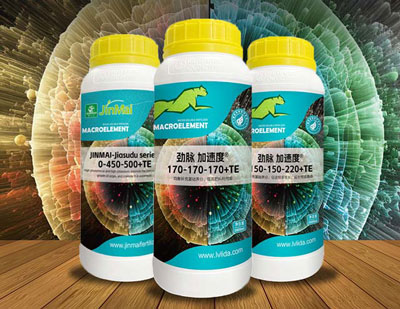
High-Efficiency Clear Liquid NPK Fertilizer
The three numbers on a fertilizer package always appear in the same order: Nitrogen-Phosphorus-Potassium. They represent the percentage by weight of each nutrient in the bag.
10-10-10: This bag contains 10% Nitrogen, 10% Phosphorus, and 10% Potassium. The remaining 70% consists of filler material, conditioner to prevent caking, or secondary nutrients.
20-20-20: This contains 20% of each. It has the same ratio (1:1:1) as the 10-10-10 fertilizer but is twice as concentrated.
10-5-20: This is an unbalanced ratio. It contains 10% Nitrogen, 5% Phosphorus, and 20% Potassium.
Why would you choose a 5-10-5 over a 10-20-10? It often comes down to concentration and risk of burn.
High-analysis fertilizers (e.g., 30-10-10): These are potent. You need to apply less of the physical product to get the same amount of nutrients. They are often more cost-effective for large areas but carry a higher risk of burning plants if over-applied.
Low-analysis fertilizers (e.g., 3-4-4): These are often organic or slow-release. They are gentler on plants and easier to apply without accidentally causing damage, making them great for home gardeners.
Different ratios trigger different plant behaviors.
High Nitrogen (e.g., 24-2-4): Ideal for lawns and leafy vegetables like lettuce or spinach. You want green growth, not flowers.
High Phosphorus (e.g., 10-50-10): Often called “Bloom Boosters.” These are used for annual flowers, hanging baskets, or vegetable plants right before they fruit.
High Potassium (e.g., 5-5-20): Often used for winterizing lawns (to add stress tolerance) or for root vegetables and fruit-bearing trees to improve the quality of the harvest.
Vegetables (Leafy): Higher nitrogen (10-5-5).
Vegetables (Fruiting like Peppers/Squash): Moderate nitrogen, higher phosphorus and potassium (5-10-10).
Flowers: High phosphorus (“Bloom Booster” formulas).
Lawns: Very high nitrogen, low phosphorus, moderate potassium (30-0-4). Note that many lawn fertilizers now remove phosphorus to prevent water pollution.
Tomatoes: Low nitrogen, moderate phosphorus and potassium (3-4-6 or 5-10-10). Too much nitrogen gives you a huge tomato bush with zero tomatoes.
Indoor Plants: Usually a balanced, low-dose fertilizer (10-10-10 diluted to half strength).
Not all NPK comes in the same package. The source and form of the nutrients matter just as much as the numbers.
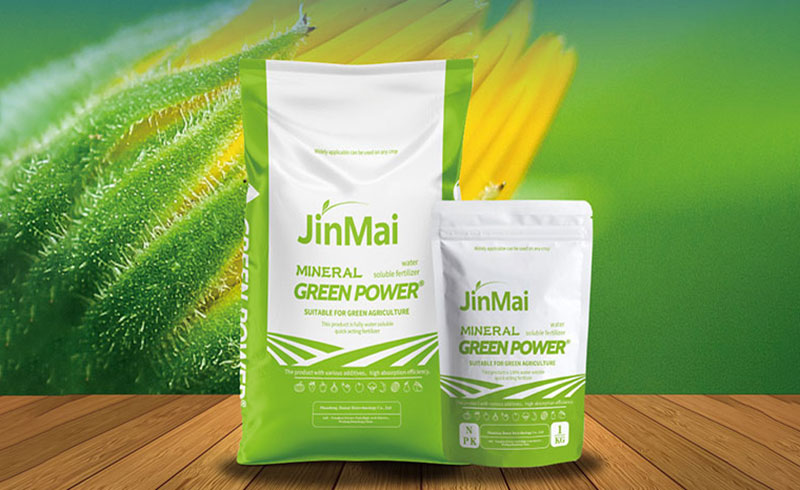
Biostimulants Enhanced Type NPK Fertilizer
A "balanced" fertilizer has equal numbers, such as 10-10-10 or 20-20-20.
Definition: The ratio of N, P, and K is 1:1:1.
Application: These are great "all-purpose" fertilizers. If you haven't tested your soil and just want to give a general boost to a mixed garden bed containing shrubs, perennials, and vegetables, a balanced fertilizer is a safe bet.
An "incomplete" fertilizer is missing one or more of the three components (e.g., 46-0-0, which is pure Urea/Nitrogen).
Use cases: These are used when a soil test reveals a specific deficiency. If your soil is rich in potassium and phosphorus but your corn is turning yellow, you don’t need a 10-10-10; you just need nitrogen. Adding nutrients that are already sufficient is a waste of money and can harm the environment.
Synthetic: Chemically manufactured. They are fast-acting and have precise, high ratios (e.g., Miracle-Gro). They feed the plant directly but do little to improve soil texture.
Organic: Derived from plant or animal matter (manure, bone meal, blood meal, compost). Ratios are usually lower (e.g., 4-3-3). They release nutrients slowly as they break down, which feeds the soil microorganisms and improves soil structure over time.
Granular: Dry pellets spread on the soil. They are usually slow-release and great for lawns or pre-planting soil preparation.
Liquid: Concentrates mixed with water. They are quick-release and absorbed rapidly by roots or leaves. Great for a mid-season boost or fixing a deficiency quickly.
Fertilizer Spikes: Solid sticks hammered into the soil. Convenient for trees and shrubs but can cause “hot spots” of concentrated fertilizer near specific roots.
Why go through the trouble of calculating ratios? Because the payoff is significant.
Improved growth and yield: Simply put, plants get bigger and produce more food.
Specific targeting: You can manipulate plant growth—encouraging lush leaves on your hedges or forcing your rose bush to bloom.
Resilience: Well-fed plants fight off diseases and pests on their own, reducing the need for pesticides.
In large-scale farming, NPK is the difference between feeding a population and famine. It allows for intensive crop production on the same land year after year. In landscaping, it keeps turf durable enough for sports fields and parks. In horticulture, it allows for the precise control needed to grow exotic plants in greenhouses.
Despite their benefits, NPK fertilizers—particularly synthetics—come with downsides that must be managed.
Water Pollution: Excess nitrogen and phosphorus run off into waterways, causing algae blooms (eutrophication) that deplete oxygen in the water and kill fish.
Soil Degradation: heavy reliance on synthetic salts can kill beneficial soil microbes over time, turning the soil into a lifeless medium that relies entirely on chemical inputs.
Fertilizer Burn: Applying too much synthetic fertilizer draws moisture out of the roots, causing the plant to dry out and "burn."
Reduced Flowering: As mentioned, too much nitrogen can force a plant to stay in the vegetative stage, preventing it from producing fruit.
Synthetic fertilizers follow the price of energy and mining, meaning costs can fluctuate wildly. Furthermore, relying solely on NPK creates a dependency; if you stop fertilizing, the soil health may be too poor to support growth on its own.
Don't just grab the prettiest bag. Follow this four-step process.
This is the most important step. Without a soil test, you are guessing. A simple test from a garden center or university extension will tell you your soil pH (which affects nutrient absorption) and your current N, P, and K levels. If your soil already has high phosphorus, buying a high-P fertilizer is a waste of money and an environmental hazard.
Know your plant. Are you growing corn (a heavy nitrogen feeder)? Or are you growing beans (which fix their own nitrogen from the air)? Are you growing carrots (which need loose soil and potassium)?
Combine the results of Step 1 and Step 2.
Scenario: Soil test says low nitrogen, fine phosphorus/potassium. Plant is a leafy vegetable.
Selection: Choose a fertilizer with a high first number and low second/third numbers (e.g., 20-0-0 or 20-2-2).
Quick-release (Liquid): Use if the plant looks sickly and needs help now.
Slow-release (Granular/Organic): Use for general maintenance and long-term health at the start of the season.
Soil Application: Mixing granular fertilizer into the soil before planting or “top dressing” around the base of an existing plant.
Foliar Application: Spraying dilute liquid fertilizer directly on leaves. This is a fast fix for micronutrient deficiencies but shouldn’t replace soil feeding.
Fertigation: Injecting fertilizer into an irrigation system (common in agriculture).
Spring: Generally the time for high-nitrogen fertilizers to kickstart growth.
Summer: Transition to balanced or potassium/phosphorus-heavy feeds to support blooming and endure heat.
Fall: Stop fertilizing nitrogen to let plants harden off for winter (unless treating a cool-season lawn).
Always read the label. "More" is not better. If the label says 1 tablespoon per gallon, using 2 tablespoons can kill your plant. Wear gloves, as some fertilizers can irritate the skin.
It is used to replenish the three primary nutrients (Nitrogen, Phosphorus, Potassium) in the soil to support healthy plant growth, root development, and reproduction (flowering/fruiting).
When used according to the label, it is safe for plants. However, concentrated piles can burn roots. For animals, synthetic fertilizers can be toxic if ingested. Pet owners should look for pet-safe organic options or keep pets off the lawn until the fertilizer has been watered in and dried.
Tomatoes need lower nitrogen and higher phosphorus/potassium once established. A ratio like 5-10-10 or 3-4-6 is ideal. Avoid high nitrogen, or you will get all leaves and no fruit.
Yes, but not the same NPK fertilizer. A lawn fertilizer will kill an orchid, and an orchid fertilizer won’t help a lawn much. You must match the ratio to the plant type.
It depends on the type. Liquid fertilizers may need application every 2 weeks. Slow-release granular fertilizers might only need application once or twice per season.
You risk “fertilizer burn,” where leaves turn brown and crispy. It can also cause salt buildup in the soil and pollute local groundwater.
No. Higher numbers just mean it is more concentrated. A 10-10-10 is just as effective as a 20-20-20 if you adjust the dosage amount. Higher is not better; “correct” is better.
Yes. Organic fertilizers contain NPK, just in lower concentrations. They are often better for long-term soil health than synthetics.
Quick-release forms can wash away in a few weeks or after heavy rain. Slow-release or organic forms can provide nutrition for 3 to 6 months.
The 20-20-20 is twice as concentrated. You would need to use half as much 20-20-20 to get the same results as using 10-10-10.
Gardening is a science as much as it is an art. Understanding NPK fertilizer moves you from hoping for a good harvest to actively engineering one. By recognizing that Nitrogen drives the green, Phosphorus powers the roots and blooms, and Potassium protects the overall health, you can diagnose plant problems and provide the correct cure.
Remember, the goal is balance. Test your soil, choose the appropriate ratio for your specific crops, and apply responsibly. Do this, and you will be rewarded with stronger plants, brighter flowers, and healthier food on your table.
Partner with Shandong Jinmai Biotechnology-your trusted NPK fertilizer supplier since 2015. We produce functional fertilizers and microbial solutions with patented technology, exporting to 30+ countries. Request product specs, MOQ, and pricing today.


