
T: +86-400-0987187
E: info@sdjinmai.com
E: info@sdjinmai.com
No. 6888 Jiankang East Street, High-tech Zone, Weifang, Shandong, China

Views: 0 Author: Site Editor Publish Time: 2026-01-30 Origin: Site
Tomatoes are often considered the crown jewel of the vegetable garden. There is nothing quite like biting into a sun-warmed, vine-ripened tomato that you grew yourself. However, achieving that perfect harvest is rarely a matter of luck. It requires a delicate balance of sunlight, water, and—most critically—nutrition. Many gardeners, both novice and experienced, find themselves frustrated by lush green plants that produce little fruit, or promising tomatoes that succumb to rot before they ripen.
The culprit is frequently the fertilization strategy. Tomatoes are "heavy feeders", meaning they have significant nutritional appetites, but feeding them correctly is more nuanced than simply piling on plant food. Mistakes in fertilization are one of the primary reasons for poor growth, low yields, and compromised fruit quality. Understanding how to navigate these nutritional needs is the difference between a disappointing season and a bumper crop. This guide breaks down the most common errors so you can avoid them and grow your best tomatoes yet.
Before diving deep into the specifics, it is helpful to understand the landscape of fertilization errors. Most issues stem from a misunderstanding of what the plant needs at different stages of its life cycle.
The most common pitfalls usually involve excess. Gardeners often assume that if a little fertilizer is good, a lot must be better. This leads to nitrogen overload, which fuels leaf growth at the expense of fruit. Another frequent error is ignoring the soil's pH or existing nutrient levels, leading to nutrient lock-out where the plant literally cannot absorb the food provided. Finally, timing is crucial; applying the wrong nutrients at the wrong time can stunt development or burn delicate roots.
When the nutritional balance is off, the plant sends clear signals. Excess nitrogen creates a "jungle" of foliage but few flowers. A lack of calcium leads to the dreaded blossom end rot, where the bottom of the fruit turns black and mushy. Inconsistent feeding can cause stress, leading to uneven ripening or fruit splitting. Essentially, incorrect fertilization confuses the plant's hormonal signals, directing energy to the wrong places.
These mistakes are insidious because the early symptoms often look like success. A plant pumped full of nitrogen looks incredibly healthy—tall, vibrant, and deep green. By the time the gardener realizes there are no blossoms forming, the season is often too far gone to correct the course. Similarly, soil issues happen below the surface, invisible until the plant begins to show signs of distress.
Nitrogen is the fuel for leafy, green growth. It is essential in the early stages of a tomato plant's life to establish a strong structure. However, once the plant reaches the flowering stage, nitrogen needs to take a backseat. If you continue to apply high-nitrogen fertilizers (like heavy applications of blood meal or generic lawn fertilizer), the plant will remain in a vegetative state. It will produce an abundance of lush leaves and stems, but it will delay or significantly reduce flower production. The plant effectively "forgets" to make fruit because it is too busy making leaves.
Every fertilizer package displays three numbers representing the N-P-K ratio: Nitrogen (N), Phosphorus (P), and Potassium (K). A balanced fertilizer like 10-10-10 is often used as a catch-all, but tomatoes have specific preferences.
Nitrogen (N): Promotes leaf growth.
Phosphorus (P): Crucial for root development, flowering, and fruit set.
Potassium (K): Vital for overall plant health and disease resistance.
A common mistake is using a fertilizer where the first number (Nitrogen) is significantly higher than the others during the fruiting phase. For tomatoes, you generally want a ratio where Phosphorus and Potassium are higher than Nitrogen once flowers appear (e.g., 5-10-10 or 4-12-12).
Synthetic fertilizers are essentially salts. When you over-apply them, these salts can build up in the soil. This creates a toxic environment for the roots. It can lead to "fertilizer burn", where the leaves turn brown and crispy at the edges. In severe cases, high salt concentrations prevent the roots from absorbing water, causing the plant to wilt even if the soil is damp. This is often referred to as physiological drought.
On the flip side, starving your tomatoes is equally damaging. Because tomatoes grow rapidly and produce heavy fruit, they deplete soil nutrients quickly. Without adequate nutrition, plants become spindly, leaves turn yellow (chlorosis), and fruit production drops. Old leaves typically show signs of deficiency first as the plant scavenges mobile nutrients (like nitrogen) from old growth to support new growth.
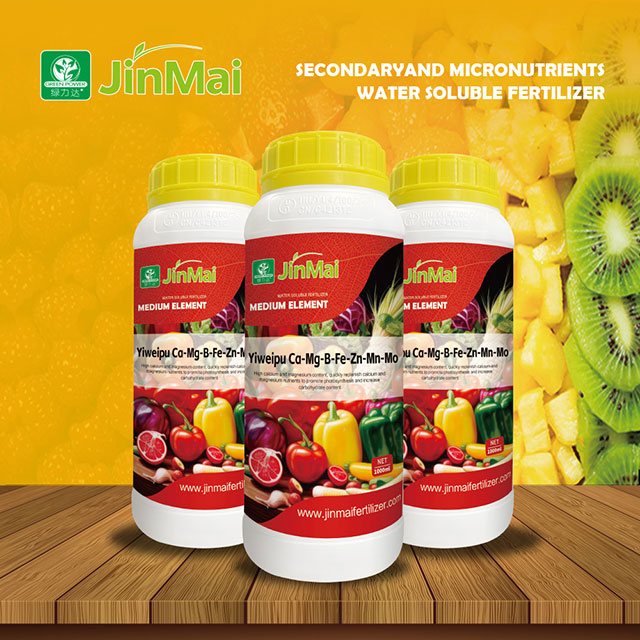
Gardeners often focus entirely on NPK and forget the "vitamins" of the plant world. Calcium is arguably the most critical secondary nutrient for tomatoes. A lack of calcium availability in the developing fruit causes blossom end rot. Magnesium is another common deficiency, often manifesting as yellowing between the leaf veins. A fertilizer strategy that ignores these micronutrients is incomplete.
Timing is everything. Applying a heavy granular fertilizer to a tiny, newly transplanted seedling can burn its tender roots. Conversely, waiting until the plant is already struggling to feed it is reactive rather than proactive. The "set it and forget it" mentality rarely works with tomatoes. They require a steady supply of nutrients that ramps up as the plant grows and sets fruit.
This often occurs when using granular fertilizers that aren't mixed into the soil properly or when relying solely on top-dressing. If the nutrients don't reach the root zone effectively, the plant cannot access them. Furthermore, inconsistent moisture levels can prevent nutrients from dissolving and moving into the plant, leading to patchy absorption even if the fertilizer is present in the soil.
As mentioned, the nitrogen-flowering balance is delicate. High nitrogen creates a dense canopy. While this looks impressive, it restricts airflow, increasing the humidity around the leaves and making the plant more susceptible to fungal diseases like blight. Conversely, a phosphorus deficiency creates a plant with purplish leaves and stunted growth, with few to no flowers developing.
Nutritional mistakes show up clearly on your dinner plate.
Potassium deficiency: Leads to uneven ripening (blotchy fruit) and poor flavor development. The fruit may lack that classic sweet-acid balance.
Calcium deficiency: Results in blossom end rot, rendering the fruit inedible.
Inconsistent feeding: Can cause "catfacing" (deformed fruit) or cracking/splitting, as the fruit grows in spurts rather than at a steady pace.
Chronic over-fertilization does not just hurt this year's crop; it damages the soil microbiome. Healthy soil is teeming with beneficial bacteria and fungi that help plants access nutrients. Heavy use of synthetic salts can harm these organisms. Furthermore, accumulation of excess phosphorus can run off into waterways, causing environmental issues, while salt buildup degrades the soil structure, making it harder to grow anything in that spot next season.
Sometimes the mistake isn't the fertilizer itself, but the environment in which it is applied.
This is the "invisible wall" of gardening. Tomatoes prefer a slightly acidic soil pH between 6.0 and 6.8. If your soil is too alkaline (above 7.0) or too acidic (below 5.5), nutrients become chemically "locked up". You could dump the highest quality fertilizer on the soil, but the plant cannot chemically access it. For example, iron deficiency is common in alkaline soils, not because there is no iron, but because the plant can't take it up.
Water is the vehicle that transports nutrients from the soil into the roots.
Overwatering: Washes nutrients (especially nitrogen) away from the root zone (leaching) before the plant can use them. It also suffocates roots, preventing uptake.
Underwatering: Nutrients stay in dry form and cannot be absorbed. Inconsistent watering is also the primary trigger for calcium deficiency (blossom end rot) because calcium moves through the plant strictly via water flow.
Heavy clay soil holds water but restricts root growth and oxygen availability. Sandy soil drains so fast that nutrients wash away instantly. If the soil structure is poor, fertilizer efficiency drops plummet. Improving soil with organic matter (compost) acts as a buffer, holding nutrients and moisture in a way that makes them available to the plant as needed.
If you suspect you have been using the wrong ratio, switch gears.
Early Season (Pre-flower): A balanced fertilizer (e.g., 10-10-10) or compost is fine to establish green growth.
Mid-Season (Flowering/Fruiting): Switch to a formula lower in nitrogen and higher in phosphorus and potassium. Look for “Tomato & Vegetable” specific blends with ratios like 5-10-10 or 3-4-6. Liquid seaweed or kelp fertilizers are excellent boosters for potassium without adding excess nitrogen.
If you realize you have over-fertilized (evidenced by salt crust on soil or burnt leaf tips):
Flush the soil: Apply heavy amounts of water to leach the excess salts deeper into the soil, away from the root zone. Do this over a few days.
Stop feeding: Give the plant a “diet” for several weeks.
Remove damaged growth: Trim off the worst of the burnt leaves to prevent fungal issues.
To fix soil structure and pH issues:
Add Organic Matter: Compost is the universal fixer. It improves drainage in clay, water retention in sand, and buffers pH issues.
Use Slow-Release: Switch from heavy synthetic spikes or powders to slow-release organic granules. These break down over time, providing a steady drip-feed of nutrients rather than a shock, reducing the risk of burn and runoff.
Think of feeding your tomato plant like feeding a growing child—needs change over time.
Planting Time: Mix compost and a slow-release organic starter fertilizer into the planting hole. Add bone meal (for phosphorus) to support root establishment.
Vegetative Stage: If soil is fertile, minimal feeding is needed. If using liquid feed, keep it balanced.
First Fruit Set: This is the critical shift. Once the first fruits are the size of golf balls, begin regular feeding with a low-nitrogen, high-calcium, high-potassium formula.
Consistency is key.
Granular Organic: Usually applied every 4–6 weeks. Scratch it into the soil surface and water well.
Liquid Feed: Usually applied every 7–14 days. This is a weaker dose but provides immediate nutrients.
Note: Always read the label. It is better to under-feed slightly than to over-feed. You can always add more later, but you can’t take it back.
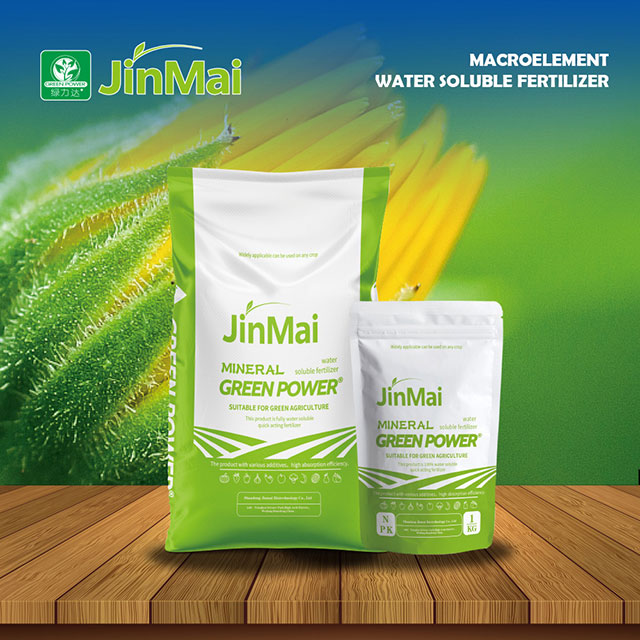
You don't have to choose sides. Many successful gardeners use a hybrid approach. They build the soil foundation with organic compost and slow-release organic granules for long-term health. Then, during peak fruit production, they supplement with a water-soluble fertilizer to give the plants a quick boost of energy for ripening heavy loads of fruit. This provides the best of both worlds: soil health and immediate performance.
The only way to know exactly what your garden needs is a soil test. It takes the guesswork out of the equation. A simple test will tell you your pH and your N-P-K levels. If your soil is already high in phosphorus (common in old gardens), adding more won’t help and might hurt. Test, don’t guess.
Containers: Nutrients leach out of pots quickly with daily watering. Container tomatoes need more frequent, lighter feeding (often weekly liquid feed) compared to in-ground plants.
Sandy Soil: Needs more frequent, smaller applications because nutrients wash away.
Clay Soil: Holds nutrients longer; requires less frequent feeding.
Short Seasons: In colder climates, use quick-release liquids early on to maximize growth before the frost.
Prep: Amend soil with compost 2 weeks before planting.
Planting: Add calcium (lime or gypsum) and phosphorous (bone meal) to the hole.
Monitor: Watch the leaves. Pale green? Needs nitrogen. Purple veins? Needs phosphorus. Yellowing between veins? Needs magnesium.
Water: Maintain consistent moisture to unlock the nutrients.
Record: Keep a garden journal. Write down what you used and when, so you can replicate success or avoid repeating failures next year.


Growing prize-winning tomatoes is less about magic and more about consistency. By avoiding the common traps of nitrogen overload, poor timing, and neglecting soil health, you set the stage for a bountiful harvest. Remember that fertilizer is a supplement to good soil, not a replacement for it. Start with a soil test, choose the right nutrients for the plant's life stage, and pay attention to watering. With a balanced strategy, you will spend less time correcting mistakes and more time enjoying the fruits of your labor.


