
T: +86-400-0987187
E: info@sdjinmai.com
E: info@sdjinmai.com
No. 6888 Jiankang East Street, High-tech Zone, Weifang, Shandong, China

Views: 0 Author: Site Editor Publish Time: 2026-01-09 Origin: Site
Do you know the difference between biostimulants and fertilizers? Both are used to enhance plant growth, but in different ways. This article will explain their differences and how they work together to boost crop health and yield.
In this article, you'll discover how biostimulants and fertilizers complement each other. You'll also learn their unique benefits and roles in agriculture.
At Jinmai, we provide high-quality products to improve plant health. Learn more about our products today!
Fertilizers are substances added to soil or plants to supply essential nutrients like nitrogen, phosphorus, and potassium. These nutrients are crucial for plant growth and development, providing the foundation for plants to perform vital functions like photosynthesis and energy production.
Fertilizers are typically divided into two categories:
Organic Fertilizers: Sourced from natural materials such as compost, manure, and other organic matter. These fertilizers enrich the soil with nutrients while improving soil structure and microbial activity.
Inorganic Fertilizers: Synthetic fertilizers that contain high concentrations of specific nutrients in easily available forms. They provide quick nutrient availability but do not contribute to long-term soil health.
Fertilizer Type | Source | Key Characteristics | Benefits |
Organic Fertilizers | Plant/Animal matter | Slow-release, improves soil health | Enriches soil, enhances microbial activity |
Inorganic Fertilizers | Chemically synthesized | Quick-release, high nutrient content | Provides immediate nutrients for growth |
Fertilizers directly provide the nutrients plants need for healthy growth. However, while fertilizers are essential for correcting nutrient deficiencies, they do not address the plant's overall physiological processes, such as resilience to stress or the efficient use of nutrients in challenging environments.
Biostimulants, unlike fertilizers, do not provide nutrients directly. Instead, they enhance the plant’s ability to absorb and use the nutrients that are available in the soil. Biostimulants activate natural plant processes that improve nutrient uptake, enhance resilience to environmental stresses, and stimulate growth.
Biostimulants are made from various natural sources, including seaweed, amino acids, and beneficial microorganisms. Some common types include:
Seaweed Extracts: Rich in bioactive compounds like phytohormones, seaweed extracts promote root growth and increase stress tolerance.
Amino Acids and Protein Hydrolysates: These provide plants with the building blocks they need for stress recovery and enhanced growth.
Microbial Inoculants: Beneficial bacteria or fungi that enhance nutrient uptake, improve soil health, and promote root development.
Biostimulant Type | Source | Function | Benefits |
Seaweed Extracts | Seaweed | Stimulates growth, improves resilience | Enhances root development, stress resistance |
Amino Acids | Plant-based proteins | Supports stress recovery, growth | Improves nutrient absorption, recovery from stress |
Microbial Inoculants | Beneficial bacteria/fungi | Promotes nutrient uptake and soil health | Improves soil microbiome, supports root health |
Biostimulants act by improving the plant's natural ability to absorb nutrients and resist stress. For example, amino acid-based biostimulants help plants recover quickly from environmental stress, while seaweed extracts support root growth and nutrient absorption during periods of drought or extreme temperatures.
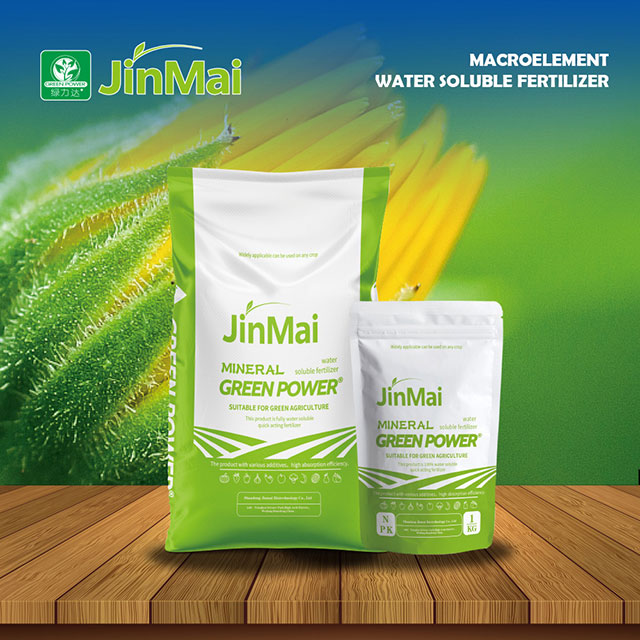

The most fundamental difference between biostimulants and fertilizers lies in their nutrient delivery. Fertilizers provide essential nutrients required for plant development, directly supplying elements such as nitrogen, phosphorus, and potassium. Biostimulants, on the other hand, do not supply nutrients directly. Instead, they enhance the plant's ability to absorb and utilize the nutrients that are already present in the soil. By improving the efficiency of nutrient uptake, biostimulants help plants make better use of the available resources, supporting more sustainable growth.
Fertilizers function by supplying plants with the necessary nutrients for their immediate growth needs. These nutrients support essential processes such as photosynthesis, cellular development, and fruiting. Biostimulants, however, work by activating plant systems that improve growth, nutrient absorption, and overall resilience. For example, while fertilizers address nutrient deficiencies, biostimulants stimulate the plant’s natural metabolic pathways to optimize nutrient use and enhance the plant’s tolerance to stressors like drought or pests. This difference in their modes of action highlights how both work in tandem for optimal plant health.
While fertilizers promote growth by addressing nutritional needs, they do not directly contribute to a plant’s resilience to environmental stresses. Biostimulants, on the other hand, play a vital role in enhancing plant resilience. They help plants better withstand environmental challenges like extreme temperatures, drought, or pest infestations. By improving stress tolerance and supporting natural growth processes, biostimulants help plants grow stronger, even in adverse conditions. This makes them a critical tool for sustainable farming practices, ensuring that crops are more productive and adaptable to changing climates and conditions.
Aspect | Biostimulants | Fertilizers |
Mode of Action | Enhance plant processes like nutrient uptake and stress resistance | Directly supply essential nutrients |
Function | Stimulate growth and improve resilience | Correct nutrient deficiencies |
Impact on Plant Health | Improves resilience and metabolic functions | Improves nutrient availability and growth |
Environmental Impact | Eco-friendly, reduce chemical dependency | Can contribute to runoff and pollution if overused |
Fertilizers are necessary when plants show clear signs of nutrient deficiencies. Yellowing leaves, for example, often indicate a nitrogen deficiency, while poor root growth could signal a lack of phosphorus. Fertilizers correct these deficiencies quickly and promote healthier, more productive plants, providing essential nutrients to restore balance.
Biostimulants are most effective when plants face environmental stress, such as drought, salinity, or extreme temperatures. They improve the plant's resilience, enabling it to better withstand these stresses and grow more efficiently in challenging conditions. By enhancing stress tolerance, biostimulants help plants remain healthy even when external factors are unfavorable.
Using both fertilizers and biostimulants together often yields the best results. Fertilizers provide essential nutrients for growth, ensuring plants have what they need to thrive. Meanwhile, biostimulants optimize nutrient uptake and enhance resilience, making plants more adaptable to challenging conditions. This combination fosters a balanced approach to plant health and productivity, promoting sustainable farming practices.
Biostimulants increase nutrient use efficiency by improving how plants absorb and utilize nutrients. This reduces the need for excessive fertilizer use, lowering costs and minimizing environmental impact. By enhancing nutrient efficiency, biostimulants help ensure that plants get the most out of the available resources, promoting healthier, more sustainable growth.
Biostimulants play a crucial role in improving crop yield and quality. They enhance root growth, boost nutrient uptake, and support overall plant health. With improved nutrient absorption and better stress tolerance, plants reach their full potential, resulting in higher yields and better-quality crops. Biostimulants ensure that plants can thrive even under less-than-ideal conditions.
Biostimulants reduce the reliance on synthetic fertilizers, helping to promote sustainable farming practices. By improving nutrient use efficiency and plant resilience, they contribute to long-term soil health and reduce environmental impact. In addition, biostimulants support beneficial microbes in the soil, enhancing soil structure and fostering a healthier ecosystem for plants to grow in.




Excessive use of fertilizers can lead to nutrient runoff, which contributes to water pollution and damages aquatic ecosystems. By improving nutrient efficiency, biostimulants reduce the need for high fertilizer inputs, thus minimizing the environmental impact. Using biostimulants helps mitigate the risks associated with fertilizer runoff, fostering more eco-friendly agricultural practices.
Biostimulants are more environmentally friendly than fertilizers because they reduce the need for excessive chemical inputs. By enhancing plant resilience to environmental stresses and improving nutrient efficiency, they help protect the environment. Additionally, biostimulants promote sustainable practices, encouraging more eco-conscious methods of farming while improving crop health and yield.
The biostimulant market is expanding rapidly, as farmers and businesses recognize the value of sustainable and efficient agricultural solutions. With growing demand for environmentally responsible farming practices, biostimulants are becoming an integral part of modern agriculture. Their use is expected to continue increasing as research and development in this field progress.
Ongoing research is driving innovations in biostimulant formulations, improving their ability to meet the specific needs of different crops. New biostimulants are being designed to enhance stress tolerance, optimize nutrient use, and support a variety of farming systems. These advancements will help increase agricultural efficiency and sustainability while meeting the evolving demands of global food production.
As the biostimulant market grows, clear regulations are being established to ensure the safety, quality, and effectiveness of these products. Standardized guidelines will help streamline the industry, ensuring farmers have access to safe and reliable biostimulants. This regulatory framework will make it easier for biostimulants to be integrated into farming practices worldwide, promoting their widespread adoption.
Biostimulants and fertilizers are both vital in agriculture but serve different functions. Fertilizers provide nutrients directly, while biostimulants improve nutrient efficiency and plant resilience. Using both together creates a sustainable farming system. Biostimulants will play a growing role in future agriculture, helping to ensure global food security.
At Jinmai, we offer high-quality products that enhance plant health and productivity. Learn more about our products today!
A1: A biostimulant enhances a plant's ability to use nutrients more efficiently, while a fertilizer directly supplies essential nutrients for growth.
A2: Biostimulants promote better nutrient absorption, stress tolerance, and overall plant resilience, improving growth and health.
A3: No, biostimulants don't replace fertilizers. They work alongside fertilizers to optimize nutrient use and plant performance.
A4: Biostimulants reduce reliance on fertilizers, promote sustainability, and improve crop yield, making farming more efficient and environmentally friendly.


