
T: +86-400-0987187
E: info@sdjinmai.com
E: info@sdjinmai.com
No. 6888 Jiankang East Street, High-tech Zone, Weifang, Shandong, China

Views: 0 Author: Site Editor Publish Time: 2026-01-16 Origin: Site
Biostimulants are changing modern agriculture. They boost plant growth, soil health, and reduce chemicals.But with so many choices, farmers wonder: Which is the best biostimulant?In this article, you'll learn how biostimulants work and which one is best for your crops.At Jinmai, we offer high-quality biostimulants to support your farming success.
Biostimulants are substances or microorganisms applied to plants, seeds, or soil to improve their natural processes, such as nutrient uptake, stress tolerance, and overall growth. Unlike fertilizers, which supply essential nutrients directly to plants, biostimulants enhance the plant’s ability to utilize the nutrients already present in the soil, making them a sustainable and efficient choice for modern farming. Biostimulants improve the natural processes like root development, photosynthesis, and metabolic activities, making plants healthier and more resilient to stress.
Biostimulants work by activating plant processes that improve nutrient uptake, enhance resilience to stress, and stimulate growth. For example, certain biostimulants enhance the root system, improve water retention, and boost nutrient efficiency. By improving the plant’s physiological processes, biostimulants allow it to maximize available resources and grow stronger, even in challenging conditions.
Some biostimulants, such as amino acid fertilizers, help plants recover quickly from environmental stress, stimulating root growth and improving photosynthesis. They can also enhance the plant's resistance to pests and diseases. Humic acid fertilizers, on the other hand, can help revitalize the soil, creating a better environment for plant growth and improving nutrient absorption.
Fertilizers are designed to provide essential nutrients like nitrogen, phosphorus, and potassium directly to plants. In contrast, biostimulants do not supply nutrients but improve the plant’s ability to absorb and utilize them. They work by enhancing natural processes like nutrient cycling, increasing microbial activity in the soil, and improving the plant's overall health. This makes biostimulants a crucial addition to integrated crop management systems.
When choosing a biostimulant, it's important to decide between natural and synthetic options. Natural biostimulants, such as seaweed extracts and compost teas, are biodegradable and generally safer for the environment. These products often help improve soil health by promoting beneficial microbial activity, which enhances the overall fertility of the soil.
Synthetic biostimulants, on the other hand, may be engineered to target specific plant processes more precisely, offering faster and more reliable results. For instance, some biostimulants are designed to improve nutrient uptake efficiency or protect plants from specific stressors like extreme temperatures or salinity.
Biostimulants can be applied in different ways, including as soil drench, foliar spray, or through fertigation systems. Soil applications tend to have long-lasting effects, as they improve soil health and microbial activity. Foliar applications are faster-acting, allowing plants to absorb nutrients directly through their leaves. The choice of application depends on the crop type, the specific biostimulant used, and the desired effect.
Certain products, like those derived from biological polysaccharides, form a protective film around the roots, promoting root development and enhancing resistance to environmental stresses such as cold and drought. This makes them ideal for situations where root protection is a priority.
The effectiveness of biostimulants can vary based on environmental conditions. For example, biostimulants designed to improve drought resistance may work best in arid regions, while those that enhance cold tolerance are more beneficial in colder climates. It's essential to choose a biostimulant that aligns with the specific challenges your crops face, ensuring maximum benefit.
Seaweed extracts are one of the most widely used biostimulants. Rich in plant hormones, minerals, and amino acids, they enhance root development, improve water retention, and increase plant resilience to stress. Seaweed extracts can significantly improve plant growth and yield, especially under adverse environmental conditions like drought and high salinity. They also help boost photosynthesis and accelerate growth, ensuring healthier plants that are better able to cope with stressors.
Amino acids and humic acids are biostimulants that improve soil structure, increase nutrient availability, and promote healthy root systems. Humic acids, derived from decomposed organic matter, help retain nutrients in the soil, while amino acids stimulate metabolic processes, improving nutrient uptake and plant stress resistance. Together, these biostimulants help enhance overall soil health, increase crop yield, and improve resistance to environmental stress.
Biostimulants made from amino acids, derived through enzymatic hydrolysis, are particularly effective in rapid crop recovery. These products are known to stimulate root growth and photosynthesis quickly, helping plants recover from environmental stress while also enhancing nutrient uptake efficiency.
Microbial biostimulants, which include beneficial bacteria and fungi, improve nutrient availability by promoting symbiotic relationships with plant roots. These microorganisms enhance nutrient cycling, increase plant growth, and help protect plants against harmful pathogens. They are particularly effective in enhancing soil health and improving plant resilience. The use of microbial biostimulants can lead to healthier soil ecosystems, which in turn support healthier crops.
Biostimulant Type | Key Benefits | Primary Application | Effect on Crop |
Seaweed Extracts | Enhances root growth, increases drought tolerance, improves water retention | Foliar spray, soil application | Increases overall plant resilience, boosts photosynthesis |
Amino Acids | Promotes root growth, improves stress tolerance, accelerates recovery | Foliar spray, fertigation | Speeds up plant recovery under stress, enhances nutrient uptake |
Microbial Biostimulants | Enhances soil microbial activity, increases nutrient cycling | Soil application | Improves soil health, increases plant resistance to pathogens |
Humic Acids | Improves soil structure, promotes root development, increases nutrient absorption | Soil application | Enhances soil fertility, boosts root system health |
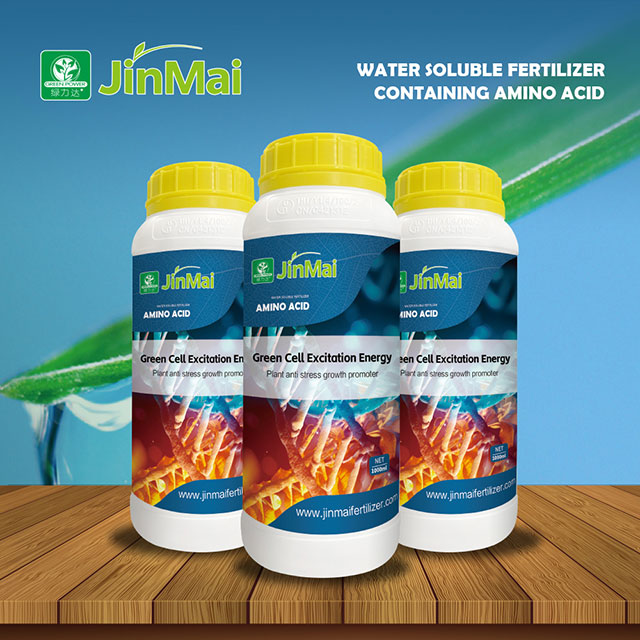


Biostimulants can enhance the quality and yield of vegetable crops like tomatoes, cucumbers, and lettuce. For example, seaweed extracts can improve root health and help plants cope with stress during hot or dry periods. Amino acid-based biostimulants are also effective in improving nutrient absorption and reducing disease incidence. Additionally, using biostimulants can help ensure uniform growth and higher-quality produce, which is especially important in the competitive vegetable market.
In fruit crops, biostimulants help increase fruit size, uniformity, and quality. For instance, biostimulants containing seaweed extracts have been shown to enhance flowering and fruit set in citrus and apple trees, while improving resistance to fungal diseases. The use of biostimulants in fruit crops leads to better-quality produce and a higher marketable yield.
Biostimulants also help improve the flavor profile of fruits, enhancing their organoleptic qualities, such as taste, aroma, and texture. This is particularly important in high-value crops where fruit appearance and quality can influence consumer demand and price.
Cereal crops like wheat and corn can benefit from biostimulants that improve root development and nutrient uptake. Biostimulants can also help legumes, such as soybeans, improve nitrogen fixation, enhancing soil health and reducing the need for synthetic fertilizers. The use of biostimulants in cereals and legumes contributes to more sustainable farming practices and improved yields, especially in regions where soil fertility is a concern.
Crop Type | Recommended Biostimulants | Primary Benefits | Expected Impact |
Vegetables (e.g., tomatoes, cucumbers) | Seaweed extracts, Amino acids | Enhances root health, improves drought tolerance | Improved yield, better quality, uniform growth |
Fruits (e.g., citrus, apples) | Seaweed extracts, Humic acids | Enhances fruit size, improves flowering and fruit set | Higher quality fruits, increased marketable yield |
Cereals (e.g., wheat, corn) | Humic acids, Microbial biostimulants | Improves root development, enhances nitrogen use | Increased biomass, better drought resistance |
Legumes (e.g., soybeans) | Microbial biostimulants, Amino acids | Promotes nitrogen fixation, improves stress tolerance | Higher yield, improved soil health |
Biostimulants can increase the plant’s ability to absorb and utilize nutrients, reducing the need for excessive fertilization. By improving nutrient use efficiency, biostimulants help farmers achieve better crop yields while minimizing nutrient runoff and environmental pollution. This is a crucial benefit for farmers aiming to reduce input costs and improve the sustainability of their farming practices.
One of the primary benefits of biostimulants is their ability to enhance plant tolerance to environmental stressors. By improving root growth and nutrient uptake, biostimulants help plants withstand drought, high salinity, and extreme temperatures. This is especially important in regions facing climate change and unpredictable weather patterns.
Case studies have shown that the use of biostimulants leads to improved crop yields and better-quality produce. For example, research has demonstrated that seaweed extracts can increase crop productivity by 15-25%, while also improving the quality of fruits and vegetables, including higher sugar content and better texture. Additionally, amino acid and humic acid biostimulants have been shown to boost nutrient absorption, enhance plant health, and improve overall crop performance.
Biostimulant Type | Crop Type | Effect on Yield | Effect on Quality |
Seaweed Extracts | Vegetables (e.g., tomatoes) | +20% yield | Improved fruit texture and flavor |
Amino Acid Fertilizers | Fruits (e.g., citrus) | +15% yield | Larger, more uniform fruit |
Humic Acid Fertilizers | Cereals (e.g., corn) | +18% yield | Improved grain size and uniformity |
Microbial Biostimulants | Legumes (e.g., soybeans) | +25% yield | Increased protein content |


When choosing the best biostimulant, cost-effectiveness is an important consideration. While some biostimulants may be more expensive upfront, their ability to improve crop yields and reduce the need for fertilizers can lead to long-term savings. For example, seaweed extracts and microbial biostimulants may have a higher initial cost but can significantly reduce the need for chemical inputs over time.
There are many biostimulant products on the market, each with varying levels of effectiveness. Leading brands offer a variety of biostimulant products, such as those based on seaweed, amino acids, and microbial inoculants. These products are designed to target specific plant needs, from enhancing root development to improving resistance to environmental stress. Selecting the right biostimulant depends on the crop type and specific growth challenges faced.
The best biostimulant for return on investment (ROI) will depend on factors like crop type, environmental conditions, and application method. For example, biostimulants that improve nutrient uptake and reduce the need for chemical fertilizers are likely to offer the best ROI in conventional farming systems.
The biostimulant industry is rapidly evolving, with new technologies and innovations aimed at improving the efficiency and effectiveness of biostimulants. Advances in biotechnological processes, such as Total Recovery Technology (TRD), are enhancing the quality and bioavailability of active compounds in seaweed extracts and other biostimulants.
The regulatory framework for biostimulants is evolving, with increasing support from governments and regulatory bodies promoting their use in sustainable agriculture. As the industry matures, clearer standards and regulations will help ensure the safety and efficacy of biostimulant products.
In conclusion, choosing the best biostimulant depends on factors like crop needs, environment, and application methods. Whether facing drought, salinity, or nutrient issues, biostimulants can boost plant growth and stress resistance. Jinmai offers effective biostimulant products that support sustainable farming and higher yields, helping farmers make informed, profitable decisions.
A1: A biostimulant is a natural or microbial substance that enhances plant growth. It works by improving nutrient uptake, root development, and stress resistance.
A2: Seaweed extracts are often the best biostimulant for drought-resistant crops. They help improve water retention and root health, making plants more resilient.
A3: Biostimulants can be applied as foliar sprays, soil drenches, or through fertigation systems. The method depends on the crop type and biostimulant used.
A4: Yes, biostimulants are cost-effective as they improve nutrient efficiency, reduce the need for chemical fertilizers, and increase crop yields.


