
T: +86-400-0987187
E: info@sdjinmai.com
E: info@sdjinmai.com
No. 6888 Jiankang East Street, High-tech Zone, Weifang, Shandong, China

Views: 0 Author: Site Editor Publish Time: 2026-03-16 Origin: Site
You find an old, dusty bottle of liquid fertilizer sitting in your garage. You suddenly face a tough choice. Will applying this leftover solution boost your garden, or could it severely harm your precious plants? Growers face this common dilemma every planting season. Using degraded products risks serious nutrient deficiencies. You might even create harmful chemical imbalances in your soil. We must clearly define and distinguish between two different lifespans. First is the shelf life inside the bottle. Second is the residual life once applied to the soil. Both lifespans carry high financial and horticultural stakes for your crops. In this comprehensive guide, we will explore the exact science behind nutrient degradation. You will learn how to quickly spot physical signs of expiration. Finally, we will share actionable storage strategies to maximize your product's long-term potency and protect your yields.
Synthetic liquid fertilizers typically last 8–10 years if stored correctly, while organic liquids degrade much faster (often within 1–2 years).
Mixed/diluted fertilizer should be used within 24 hours to prevent bacterial growth and nutrient fallout.
Storage conditions (temperature and UV exposure) are the primary drivers of shelf-life longevity.
Signs of expiration include crystallization, foul odors (in organics), and persistent sediment that won't re-incorporate.
You might stare at an old container and wonder: does liquid fertilizer expire? The answer requires a quick look at basic chemistry. Synthetic formulas use mineral-based NPK solutions. Manufacturers dissolve raw salts into an aqueous base. These chemical bonds remain inherently stable over long periods. Bacteria cannot consume synthetic mineral salts easily. Therefore, these products rarely spoil in the traditional sense. A properly sealed synthetic liquid can maintain its chemical integrity for up to a decade.
Organic liquids behave completely differently. Products like fish emulsions and kelp extracts contain active biological matter. Microbes naturally exist within these solutions. They slowly consume the organic material inside the bottle. This microbial activity causes rapid degradation. Most organic formulas lose their peak efficacy within one to two years. You must monitor them closely. Leaving an organic bottle in a warm shed accelerates this biological breakdown dramatically.
Modern growers often supplement their baseline feeding routines. You might rely on a secondary nutrient fertilizer to supply essential magnesium, sulfur, and calcium. These specific minerals require chemical stabilizers. The stabilizers keep heavier molecules perfectly suspended in the liquid. Over time, these stabilizing agents can break down. Once the stabilizers fail, the secondary nutrients clump together. This breakdown ultimately dictates the "best by" date on the label.
An expired synthetic fertilizer rarely turns toxic. A 10-year-old bottle will likely not poison your plants. However, it loses significant potency. Nitrogen frequently escapes through a process called off-gassing. The liquid slowly releases ammonia vapor into the air. You might apply the recommended dose to your crops. Unfortunately, the actual nitrogen content has plummeted. Your plants will still starve despite regular feeding schedules.
Temperature drops often cause "salt out" events. Nutrients solidify and fall to the bottom of the container. You will see hard crystals forming along the plastic edges. Sometimes, this precipitation creates a thick, unbreakable crust. If the solution becomes saturated, it cannot hold the minerals anymore. This physical separation means the top layer of liquid lacks essential nutrients.
Organic fertilizers show obvious signs of biological contamination. You might spot fuzzy mold growth floating on the surface. Another severe warning sign is a bloated plastic bottle. Harmful microbes produce carbon dioxide and methane as byproducts. This expanding gas stretches the plastic packaging. A bloated bottle indicates heavy bacterial contamination. You should never use a bloated product on edible crops.
Pay close attention to sensory changes. Healthy synthetic liquids usually look transparent or vibrantly colored. When they break down, they turn cloudy or murky. Odor shifts provide another massive clue. A pungent, eye-watering ammonia smell indicates severe chemical breakdown. Urea degrades rapidly into ammonia gas. If your synthetic fertilizer smells like strong household cleaner, it has lost vital nitrogen.
You must differentiate between normal settling and irreversible nutrient fallout. Follow these simple steps for the shake test:
Ensure the cap is tightly secured.
Shake the bottle vigorously for 30 seconds.
Hold the bottle up to a light source.
Observe the bottom of the container.
If the sediment dissolves back into the liquid, the product remains viable. If hard chunks refuse to re-incorporate, the formula has permanently separated.
You must never store diluted fertilizer. Always follow the 24-hour rule. Concentrates lose their chemical stability once mixed into tap water. Tap water contains calcium, heavy metals, and chlorine. These elements trigger immediate chemical reactions. The pH level shifts dramatically within hours. These pH shifts lock out nutrients, making them completely unavailable to plant roots. Use your mixed batches on the same day you make them.
Leaving mixed fertilizer in your equipment creates hazardous biofilms. Bacteria thrive in diluted nutrient solutions. They multiply rapidly and secrete a sticky, protective slime. This biofilm coats the inside of pump sprayers. It quickly clogs delicate drip irrigation lines. Cleaning biofilm requires harsh chemicals and intense scrubbing. Furthermore, you risk spraying concentrated plant pathogens directly onto your crop foliage.
Always keep concentrates in their original packaging. Manufacturers design these specific bottles to maintain chemical equilibrium. Moving concentrates to secondary containers invites disaster. Glass jars can shatter if gases build up. Cheap plastic jugs can melt or degrade from strong chemical interactions. Original labels also retain crucial dosage instructions and emergency safety information.
Extreme temperatures destroy liquid emulsion stability. You must avoid "freeze-thaw" cycles at all costs. When liquids freeze, water crystals expand and rupture chemical bonds. When they thaw, the ingredients rarely mix back together correctly. Keep your bottles in a climate-controlled space. Aim for a consistent storage temperature between 50°F and 70°F (10°C to 21°C).
Direct sunlight ruins chemical integrity. Translucent containers allow ultraviolet rays to penetrate the solution. UV exposure breaks down delicate chelating agents. Furthermore, light encourages rapid algae growth inside clear bottles. Algae actively consumes the nutrients meant for your plants. Always store your liquids inside dark cabinets or opaque storage bins.
Human error introduces dangerous pathogens. Never practice "cross-dipping". Gardeners often dip a dirty measuring cup directly into the master jug. This mistake introduces soil bacteria directly into the sterile concentrate. The bacteria will rapidly multiply and ruin the entire batch. Pour the liquid out into a clean measuring spoon instead. Never pour leftover concentrate back into the main bottle.
Large-scale gardening requires strict inventory discipline. Implement a "First-In, First-Out" (FIFO) system immediately. This system guarantees you use older bottles before opening new ones.
Place newly purchased bottles at the back of the shelf.
Pull older bottles to the front for easy access.
Write the purchase date on the cap using a permanent marker.
Conduct a visual inspection of your inventory every spring.
Standard NPK liquids offer incredibly high stability. They provide an excellent baseline for general agriculture. They resist bacterial decay exceptionally well. However, they remain highly prone to salt-out during cold winter drafts. You must store them indoors during freezing months. They deliver precise ratios of nitrogen, phosphorus, and potassium for predictable growth.
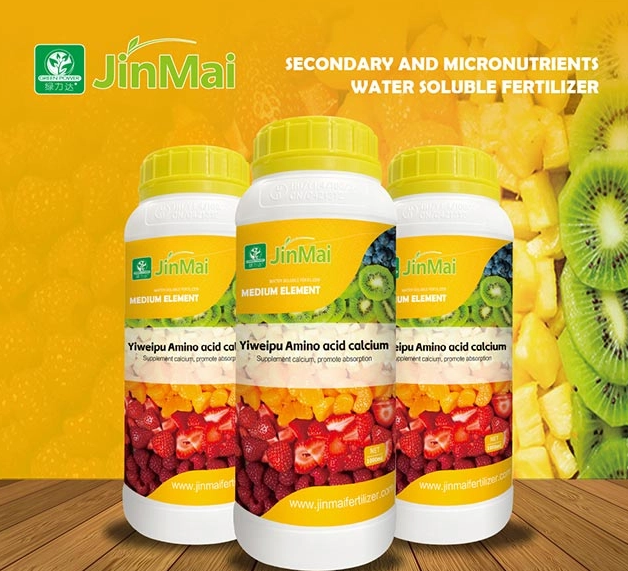
Specialty formulas require a deeper understanding. When treating deficiencies, an Amino Acid Calcium Fertilizer provides targeted, rapid relief. You must understand the shelf-life difference between chelated and non-chelated formulas. Chelated formulas wrap the calcium ion in a protective amino acid shell. This shell prevents unwanted chemical reactions inside the bottle. Consequently, high-quality chelated versions boast significantly longer shelf lives than non-chelated alternatives.
Many growers prefer water soluble fertilizers because they solve long-term storage problems. These products ship as dry powder concentrates. You mix them into liquid form only when needed. The dry concentrates possess an almost indefinite shelf life if kept perfectly dry. Pre-mixed liquid counterparts degrade much faster. Choosing dry concentrates eliminates the risk of winter freezing and heavy bottle shipping costs.
You need a logical framework for purchasing decisions. Use the table below to decide when to buy bulk versus small batches based on your annual consumption.
| Operation Size | Fertilizer Type | Recommended Purchasing Strategy | Primary Risk Factor |
|---|---|---|---|
| Hobby Gardener (Low Volume) | Organic Liquids | Small batches (8-16 oz). Buy fresh every spring. | Biological spoilage before empty. |
| Homestead (Medium Volume) | Water Soluble Powders | Buy 5-10 lb bags. Mix liquid on demand. | Moisture exposure clumping the powder. |
| Commercial Farm (High Volume) | Synthetic Liquid Totes | Buy in 250-gallon bulk IBC totes. | Cold weather salt-out during storage. |
The product's lifespan changes entirely once it hits the dirt. Liquid formulas trigger the "Flash Feed" effect. They offer immediate nutrient availability to the root system. Plants absorb these dissolved minerals within minutes of application. However, this fast action results in a much shorter soil residency. Granular products release slowly over several months. Liquids process fast and vanish quickly from the soil profile.
Environmental factors dictate nutrient washout. Irrigation frequency plays a massive role. Watering your plants too heavily flushes liquid nutrients deep into the ground. They quickly move past the active root zone. Soil texture also controls leaching rates. Sandy soils drain aggressively, causing severe nutrient loss. Heavy clay soils act like sponges, holding liquid nutrients in place for several weeks.
Microbes dictate final nutrient availability. Soil biology interacts instantly with liquid applications. Beneficial bacteria and mycorrhizal fungi consume the dissolved minerals. They temporarily lock these nutrients inside their own cellular structures. When these microbes die, they release the nutrients back to the plants slowly. Strong soil biology transforms a fleeting liquid application into a sustained feeding event.
Proper storage remains your best defense against nutrient degradation. Always rely on the "Senses Test" when evaluating an old bottle. Check for foul odors, murky colors, and heavy crystallization. If the solution fails the shake test, throw it away. We highly recommend storing your inventory in a cool, dark, and tightly sealed environment. Proper temperature control prevents catastrophic separation.
As a final actionable step, never apply questionable fertilizer to your entire crop. When in doubt, test the solution on a single, isolated plant. Wait 48 hours to observe for signs of chemical burn or wilting. This simple precaution protects your wider harvest while helping you safely utilize older inventory.
A1: It rarely acts as a direct poison. However, expired synthetic formulas often lose their water content, causing nutrient concentrations to spike. Applying this thick sludge causes severe salt burn on roots. Conversely, degraded organics simply lack bioavailable nutrients, leading to plant starvation rather than direct toxicity.
A2: Yes, freezing frequently ruins liquid emulsions. Freezing temperatures force the dissolved mineral salts to precipitate and form solid crystals. While you can sometimes re-solubilize these crystals by warming the bottle and shaking vigorously, complex organic emulsions will separate permanently.
A3: Never pour bad fertilizer down storm drains or into natural waterways. This causes massive algae blooms and environmental damage. Dilute the expired liquid heavily with water and pour it over a large area of bare soil or turf. For massive quantities, contact your local hazardous waste disposal facility.
A4: Absolutely. Unopened bottles maintain a sterile, factory-sealed equilibrium. Once opened, you introduce ambient air, humidity, and microscopic airborne bacteria. An opened bottle of organic liquid might spoil in six months, while a sealed bottle can easily last two years.
A5: A rotten egg smell indicates anaerobic bacterial growth. When organic liquids lack oxygen, anaerobic microbes take over and produce hydrogen sulfide gas. This means the organic matter is rotting rather than safely fermenting. You should discard the product immediately to prevent soil contamination.


