
T: +86-400-0987187
E: info@sdjinmai.com
E: info@sdjinmai.com
No. 6888 Jiankang East Street, High-tech Zone, Weifang, Shandong, China

Views: 0 Author: Site Editor Publish Time: 2026-03-23 Origin: Site
Viewing an amino acid fertilizer as mere plant food is a fundamental misunderstanding. Instead, consider it a biological shortcut, a direct infusion of energy that allows plants to bypass the costly process of synthesizing essential proteins from scratch. This distinction is critical for understanding its true value in modern agriculture. Traditional NPK fertilization programs often hit a ceiling of efficiency, especially when crops face environmental stress like drought, heat, or salinity, which can lead to nutrient lockout and wasted resources. By providing ready-made building blocks, amino acids help plants conserve energy, directing it toward growth, resilience, and yield. This article serves as a technical roadmap for commercial growers and advanced hobbyists, detailing how to strategically integrate amino acids into any nutrient program to maximize plant health and return on investment.
L-Amino Acids are Essential: Only L-form amino acids (produced via enzymatic hydrolysis) are biologically active; D-form (chemical hydrolysis) is largely ineffective.
Chelation is the Core Driver: Amino acids act as natural chelating agents, significantly increasing the bioavailability of NPK and trace minerals.
Timing Over Quantity: Application is most effective during "critical phenological stages" (rooting, flowering, fruit set) and periods of abiotic stress.
Synergy Matters: Combining amino acids with seaweed fertilizer or NPK creates a "biostimulant cocktail" that outperforms solo applications.
Not all amino acid products are created equal. The effectiveness of a biostimulant hinges on the molecular structure of its components and the process used to derive them. Understanding this science is the first step toward making an informed purchasing decision and achieving predictable results in the field.
Chirality is a concept from chemistry that describes the "handedness" of a molecule. Just like your left and right hands are mirror images but not identical, many organic molecules exist in two forms: a left-handed (L-form or levorotatory) and a right-handed (D-form or dextrorotatory) version. In the biological world, this difference is profound. Plant and animal proteins are constructed exclusively from L-form amino acids. Plant cells have specific receptors and transport mechanisms designed to recognize and utilize L-amino acids. The D-form, however, is largely unrecognized and cannot be integrated into metabolic processes. Applying D-amino acids is often ineffective and, in some cases, can even be detrimental to plant health.
The manufacturing process directly determines the ratio of L-form to D-form amino acids in the final product. The two primary methods have vastly different outcomes for quality and bio-activity.
| Feature | Enzymatic Hydrolysis (Gold Standard) | Chemical Hydrolysis (Acid/Alkaline) |
|---|---|---|
| Process | Uses specific enzymes at low temperatures to break down protein chains into free amino acids and peptides. | Uses strong acids or alkalis at high temperatures and pressures to break down proteins. |
| Amino Acid Form | Preserves the natural L-form of the amino acids, resulting in a product with very high biological activity. | Creates a "racemic" mixture containing both L-form and D-form amino acids, significantly reducing bio-availability. |
| Nutrient Integrity | Gentle process that keeps essential amino acids like Tryptophan intact. | Harsh process that can destroy sensitive amino acids and degrade the overall nutrient profile. |
| Efficacy | High efficacy, as plants can immediately absorb and utilize the L-amino acids. | Lower efficacy, as a large portion of the product is biologically inert D-amino acids. |
For growers seeking maximum impact, products derived from enzymatic hydrolysis are the clear choice, ensuring that what you apply is what the plant can actually use.
The protein source also influences the final product's characteristics. An amino acid organic fertilizer can be derived from either plant or animal origins, each with its own profile.
Plant-Based Sources: Typically derived from soybeans, corn, or other grains. These sources often provide a well-balanced amino acid profile that is highly compatible with crop needs. They generally have a favorable carbon-to-nitrogen (C:N) ratio that supports soil microbial health.
Animal-Based Sources: Often derived from collagen, keratin (feathers, hair), or fish hydrolysates. While rich in specific amino acids like Glycine and Proline (from collagen), their overall profile might be less balanced for general crop use. They can be highly effective for specific goals, such as boosting stress tolerance.
The choice between plant- and animal-based sources depends on your specific agricultural goals, soil conditions, and whether you are farming under organic certification standards.
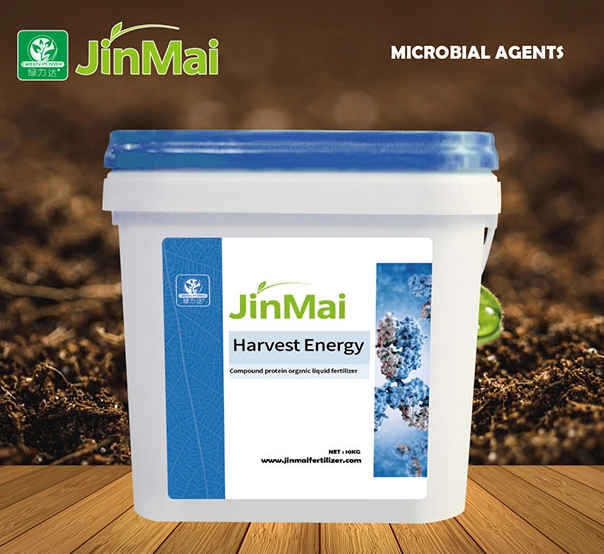
How you apply amino acids is just as important as which product you choose. The two primary methods, foliar application and fertigation, serve different purposes and should be used strategically to support plant health throughout the growth cycle.
Foliar spraying delivers amino acids directly to the leaves, where they are absorbed through small pores called stomata. This method provides an immediate metabolic boost, making it the ideal solution for rapid recovery from stress or correcting acute deficiencies.
This method is perfect for delivering a fast-acting dose of energy when the plant's root system is compromised or slow to respond. It is highly effective for:
Transplant Shock: Helps new plantings establish quickly.
Abiotic Stress Recovery: Aids recovery from frost, drought, heat, or hail damage.
Critical Growth Stages: Provides an energy boost just before flowering or during fruit set to improve outcomes.
Optimal Timing: Apply in the early morning or late evening when stomata are fully open and temperatures are cool. Avoid spraying in direct sunlight or high heat, which can cause leaf burn.
Concentration Levels: Dilution is key. A typical rate is between 1:800 and 1:1000 (e.g., 1 ml of product per 800-1000 ml of water). Always follow the manufacturer's recommendations.
The Role of Glycine: Glycine is the smallest amino acid, allowing it to penetrate the leaf cuticle and stomata with exceptional efficiency. Products rich in Glycine are particularly effective for foliar applications.
Applying amino acids through the irrigation system (fertigation) or directly to the soil builds a strong foundation for long-term plant health. This approach focuses on improving the root zone environment and nutrient uptake capacity.
When applied to the soil, amino acids act as a food source for beneficial microorganisms, improving soil structure and nutrient cycling. They also act as powerful chelating agents, unlocking bound nutrients and stimulating root growth.
Improved Root Development: Amino acids, particularly Tryptophan (a precursor to auxin), stimulate the growth of fine root hairs, increasing the surface area for nutrient and water absorption.
Buffering Salinity: In high-salinity soils, amino acids can help mitigate osmotic stress, allowing roots to continue functioning effectively. -
Preventing Leaching: In sandy soils, the chelating action of amino acids helps hold onto nutrients, preventing them from being washed away below the root zone.
To maximize impact, align applications with the plant's key phenological stages when energy demands are highest:
Pre-Bloom: An application before flowering provides the energy needed for robust flower development, improving pollination and fruit set potential.
Fruit Expansion: During fruit fill, amino acids support cell division and the transport of sugars and minerals into the fruit, enhancing size, weight, and quality.
Post-Harvest Recovery: For perennial crops like fruit trees, a post-harvest application helps the plant replenish energy reserves for winter dormancy and the following season's growth.
Amino acids rarely work in isolation. Their greatest value is realized when they are used to enhance the efficiency of other inputs. A well-designed nutrient program uses a compound amino acid fertilizer as a catalyst to unlock the full potential of NPK, trace minerals, and other biostimulants.
Amino acids fundamentally change how plants interact with macronutrients through chelation. A chelating agent is a molecule that can "grasp" a mineral ion, protecting it from reacting with other elements in the soil and keeping it available for plant uptake.
Phosphorus (P): Phosphorus easily gets locked up in the soil, especially in high or low pH conditions, forming insoluble compounds. Amino acids chelate phosphorus ions, keeping them in a soluble, plant-available form.
Nitrogen (N): They help improve nitrogen uptake efficiency and can reduce volatilization (the loss of nitrogen to the atmosphere), ensuring more of the applied N reaches the plant.
Combining amino acids with a quality seaweed fertilizer creates a powerful biostimulant cocktail. This combination addresses two different but complementary aspects of plant metabolism:
Amino Acids provide the building blocks for proteins and enzymes. They fuel the construction of plant tissues.
Seaweed provides natural plant hormones (like auxins and cytokinins) and elicitors. These compounds act as signaling molecules that regulate growth processes, cell division, and stress responses.
Together, they provide both the materials (amino acids) and the instructions (hormones) for optimized growth and resilience.
Trace elements like Zinc (Zn), Iron (Fe), Manganese (Mn), and Copper (Cu) are essential for enzyme function but are often unavailable in high-pH or alkaline soils. Amino acids are nature's delivery system for these micronutrients. When chelated by an amino acid, a metal ion is protected from soil lockout and can be more easily absorbed by the roots or leaves. This makes amino acid-chelated micronutrients far more efficient than standard inorganic salts (sulfates).
Proper tank-mixing is crucial to avoid chemical reactions that can cause nutrients to fall out of solution (precipitation) or create phytotoxic compounds.
Common Mistakes: A frequent error is mixing concentrated products directly together before diluting them in water. This can cause immediate precipitation. For instance, mixing a high-calcium product with a high-phosphate fertilizer can form insoluble calcium phosphate.
Best Practices for Tank-Mixing:
Fill the spray tank with at least half the required volume of water.
Begin agitation.
Add products one at a time, allowing each to fully dissolve before adding the next.
A general mixing order is: water conditioners, wettable powders (WP), flowables (F), emulsifiable concentrates (EC), and finally soluble liquids like amino acids.
Always perform a "jar test" before mixing a new combination. Mix small, proportional amounts in a clear glass jar to check for any signs of incompatibility like clumping, layering, or heat generation.
To justify the investment in biostimulants, growers need reliable methods to measure their impact. Moving beyond simple observation to quantitative data provides a clear picture of the return on investment (ROI).
Brix is a measurement of the sugar (sucrose) content in a plant's sap, measured with a handheld device called a refractometer. It is a key indicator of photosynthetic efficiency and overall plant health. Plants with higher Brix levels have more energy reserves for growth and defense. A widely accepted threshold in agronomy is a Brix level of 12% or higher. At this level, the plant's sap becomes less palatable to many sap-sucking insects like aphids and mites, who lack the enzymes to properly digest the complex sugars, providing a form of natural pest resistance.
The role of specific amino acids in stress mitigation can be observed and measured. Proline and Glycine-betaine are two key osmolytes. During drought or heatwaves, plants accumulate these compounds in their cells. They help regulate the cell's internal water pressure (osmotic pressure), protecting cellular structures from dehydration and damage. Observing how well your crops withstand a heatwave after an amino acid application compared to an untreated control group is a powerful real-world test.
Track these key performance indicators (KPIs) to gauge success:
Internode Length: Shorter, more compact internodes often indicate balanced growth rather than excessive, weak stretching.
Leaf Color: Deeper green leaves signify higher chlorophyll density and better photosynthetic capacity.
Root Mass: At the end of a season, dig up representative plants from treated and untreated areas. Compare the density, color, and overall mass of the root systems.
Marketable Yield: The ultimate KPI. Measure not just total yield, but the percentage that is of marketable quality (i.e., better size, color, and fewer blemishes).
A sophisticated analysis goes beyond the initial cost of the fertilizer. Calculate the Total Cost of Ownership by balancing the expense of the amino acid product against the potential savings and gains. This includes:
Reduced use of other fertilizers due to increased efficiency.
Lower costs for pesticides and fungicides due to improved plant health.
Increased revenue from higher marketable yield and better quality produce.
While highly beneficial, amino acid fertilizers are powerful tools that require proper management. Understanding potential risks can help you avoid common pitfalls.
Applying amino acids with a high nitrogen content too late in the season, particularly during fruit maturation, can be counterproductive. This can trigger a surge in vegetative growth (new leaves and stems) at the expense of fruit development. The plant diverts sugars and energy to producing foliage instead of ripening fruit, which can result in smaller, lower-quality produce and delayed harvest.
Application conditions matter. Foliar spraying during periods of extreme heat (above 30°C or 85°F) or very high humidity can lead to problems. High heat can cause the water in the spray to evaporate too quickly, leaving a highly concentrated solution on the leaf surface that can cause burn. High humidity slows evaporation, leaving leaves wet for extended periods, which can create a favorable environment for fungal pathogens like powdery mildew.
Liquid organic amino acid products are biologically active and have a finite shelf life. To maintain their efficacy, store them in a cool, dark place, away from direct sunlight and extreme temperatures. Improper storage can lead to fermentation or the degradation of the delicate L-amino acid chains, rendering the product less effective. Always check the expiration date and look for any signs of spoilage, such as unusual odors or pressure buildup in the container.
Amino acid fertilizers are far more than a simple supplement; they are a strategic tool for optimizing plant metabolism and boosting nutrient efficiency. By delivering pre-formed building blocks, they allow plants to conserve precious energy and redirect it toward higher yields, better quality, and enhanced resilience against environmental stress. The key to success lies not in volume, but in precision—choosing the right type of L-amino acid product, applying it at critical growth stages, and using it to amplify the effectiveness of your entire fertility program.
The most effective path forward is to start with a small-scale trial. Isolate a block of your crop and apply amino acids during a specific phase, like transplanting or pre-flowering. Carefully measure the results against an untreated control group. This allows you to calibrate the ideal dosage and timing for your specific crop, climate, and soil conditions. Ultimately, this approach marks a shift in mindset: from simply feeding the plant to actively managing and optimizing its metabolic engine for peak performance.
A1: No, it is not a replacement. An amino acid fertilizer is a biostimulant that enhances the efficiency and uptake of primary macronutrients like Nitrogen, Phosphorus, and Potassium (NPK). It works best as part of a balanced fertility program, helping the plant get more value out of the NPK you apply, but it does not provide the bulk quantities of these elements needed for growth.
A2: Application frequency depends on the crop and its growth stage. A general guideline is to apply every 7 to 14 days during periods of active growth, such as vegetative development, flowering, and fruit setting. Applications can be more frequent (e.g., weekly) during periods of high stress, such as after a frost event or during a drought, to aid recovery.
A3: Neither is universally "better"; it depends on the goal. Plant-based sources (like soy) often provide a more balanced and complete amino acid profile suitable for general crop growth. Animal-based sources (like collagen) can be very high in specific amino acids like Proline and Glycine, making them excellent for targeted applications like improving stress tolerance or enhancing foliar uptake.
A4: In many cases, yes. Amino acids are often compatible and can even improve the uptake of some systemic pesticides. However, tank mix compatibility varies greatly depending on the specific formulations of both products. Always perform a "jar test" first by mixing small, proportional amounts in a clear container to check for signs of incompatibility like clumping, precipitation, or separation before mixing in a large spray tank.
A5: Tryptophan is particularly important for root growth. It is a direct precursor to Indole-3-Acetic Acid (IAA), which is the most common and powerful natural auxin (plant hormone) in plants. Auxins are critical for stimulating the initiation and development of roots, especially fine root hairs that are responsible for the majority of nutrient and water absorption.


