T: +86-400-0987187
E: info@sdjinmai.com
E: info@sdjinmai.com
No. 6888 Jiankang East Street, High-tech Zone, Weifang, Shandong, China

Views: 0 Author: Site Editor Publish Time: 2025-10-17 Origin: Site
Fertilizers are the foundation of modern agriculture — providing crops with essential nutrients for vigorous growth, high yield, and improved quality.
Yet, every fertilizer type has its own purpose. From macronutrient fertilizers that boost plant growth, to biostimulants that enhance resilience, knowing the right category ensures efficient and sustainable results.
Learn more about our crop nutrition plan

Classification of Fertilizers
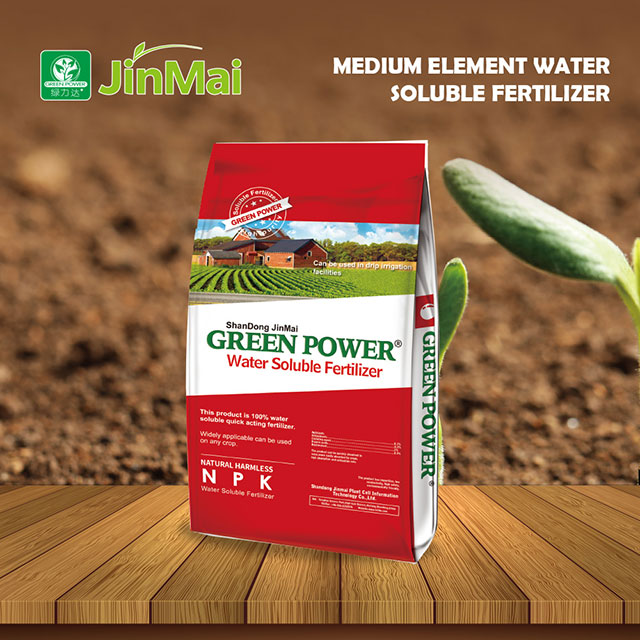
1. Macronutrient Fertilizers (N-P-K)
Definition:
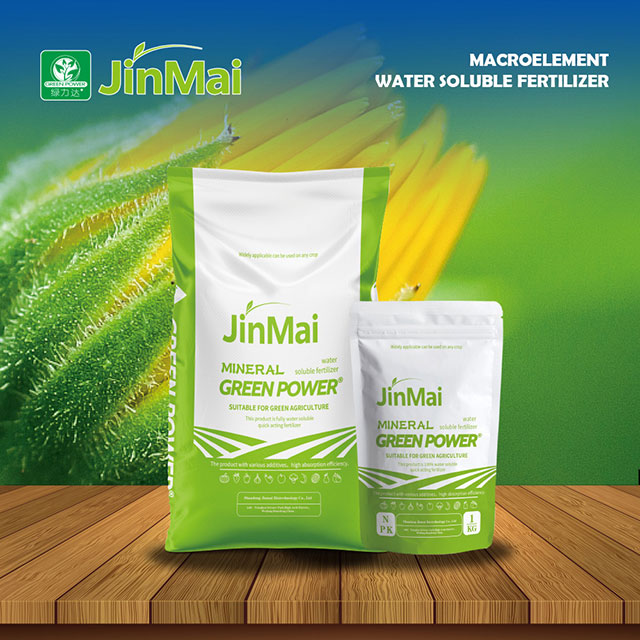
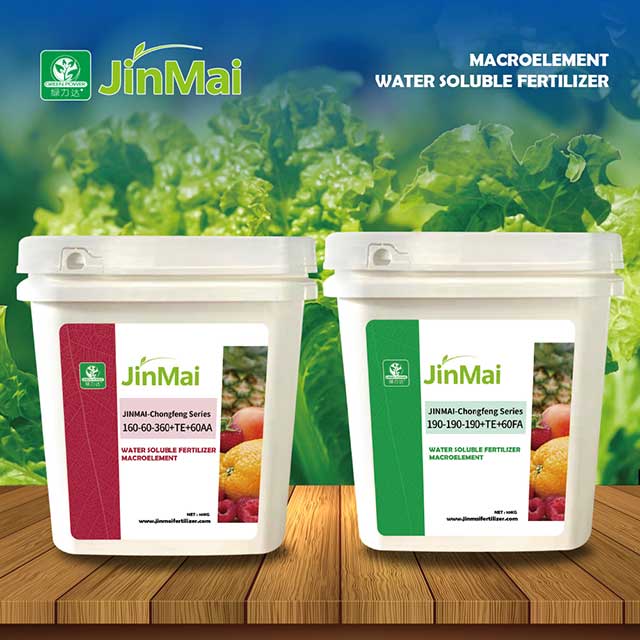
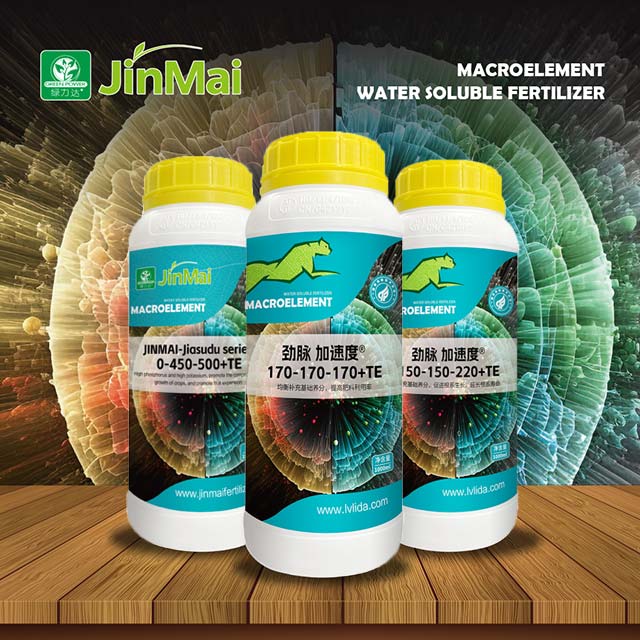
Macronutrient Fertilizers supply the three primary elements: Nitrogen (N), Phosphorus (P), and Potassium (K) — the building blocks of plant growth.
Functions:
Nitrogen stimulates vegetative growth.
Phosphorus promotes strong roots and flowering.
Potassium enhances fruit quality and stress resistance.
Examples: Urea, DAP, MAP, potassium sulfate, compound NPK fertilizers.
Application Effect: Rapid nutrient supply, suitable for most crops.
Explore our NPK & compound fertilizers
|
|
|
|
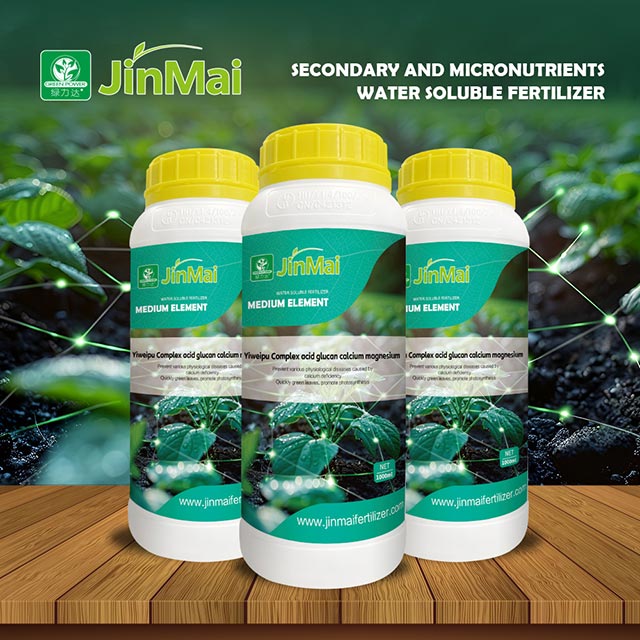
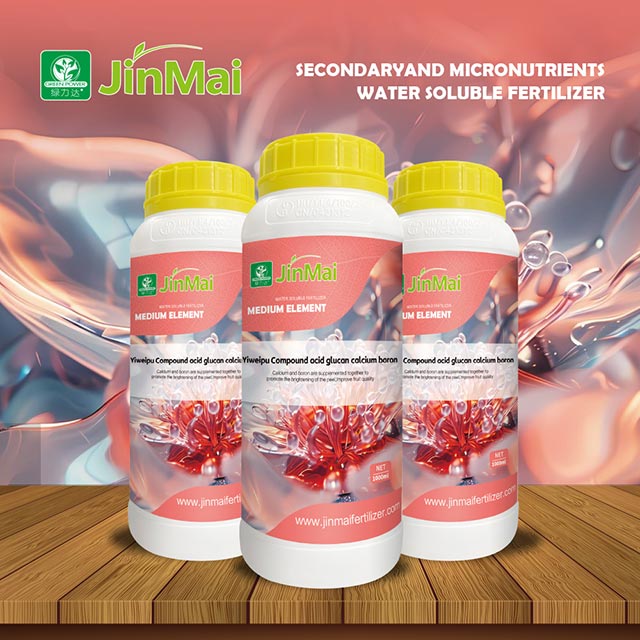
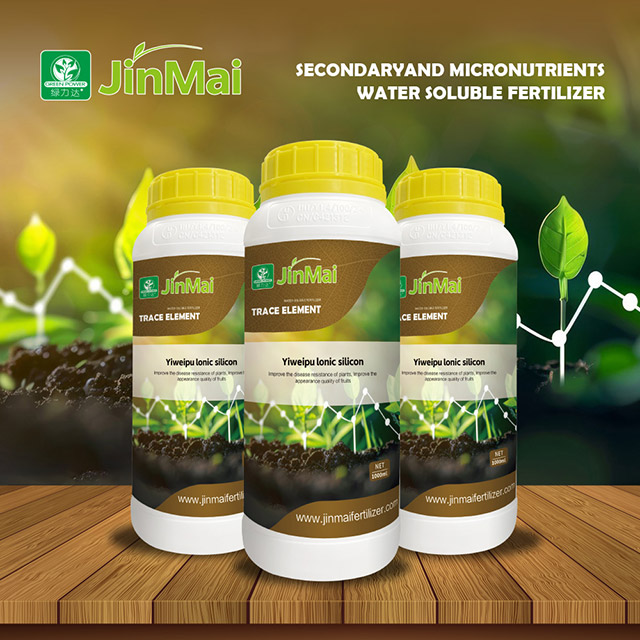
2. Secondary Nutrient Fertilizers (Ca, Mg, S)
Definition:
Secondary nutrients include Calcium (Ca), Magnesium (Mg), and Sulfur (S) — vital for plant structure, chlorophyll formation, and nutrient balance.
Benefits:
Calcium strengthens cell walls and fruit firmness.
Magnesium boosts photosynthesis.
Sulfur improves protein and oil formation.
Application Effect: Enhances fruit setting and crop quality.
View our calcium & magnesium fertilizers
|
|
|
|
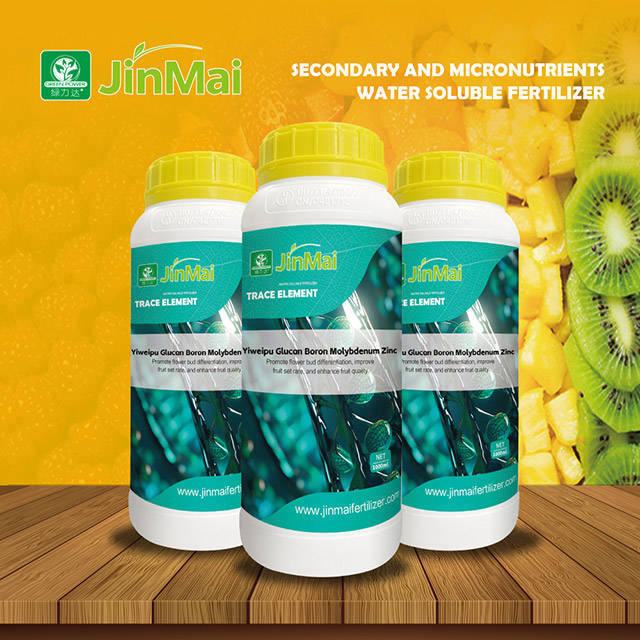
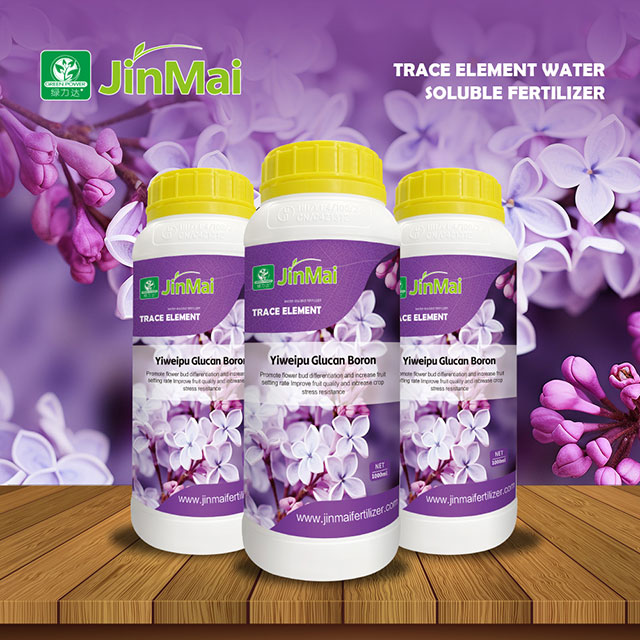
3. Micronutrient Fertilizers (Trace Elements)
Definition:
Provide essential trace elements such as Fe, Zn, Mn, B, Cu, Mo — small in quantity, but critical for enzyme and chlorophyll activity.
Benefits:
Prevent deficiency symptoms like yellowing or deformities.
Improve crop color, taste, and stress tolerance.
Quick action when applied as foliar sprays.
See our chelated micronutrient range
|
|
|
|
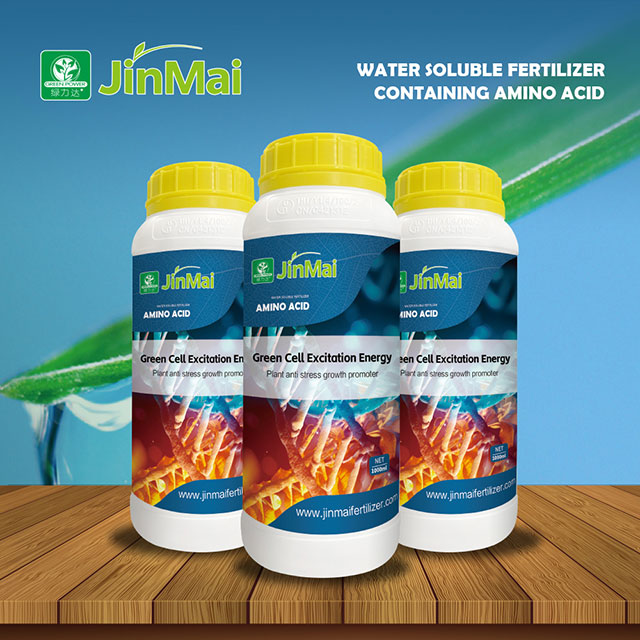
4. Biostimulants
Definition:
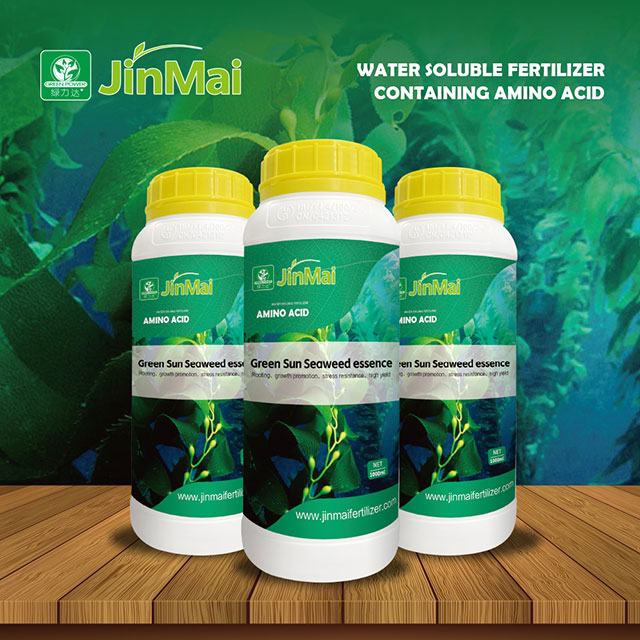
Biostimulants are natural extracts or organic compounds that activate plant metabolism, improve nutrient uptake, and enhance resistance to abiotic stress.
Examples: Amino acids, humic acids, seaweed extracts, protein hydrolysates.
Benefits:
Promote root and shoot growth.
Improve tolerance to drought, salinity, and temperature extremes.
Enhance yield quality and shelf life.
Discover our amino acid & seaweed biostimulants
|
|
|
|
5. Microbial Fertilizers
Definition:
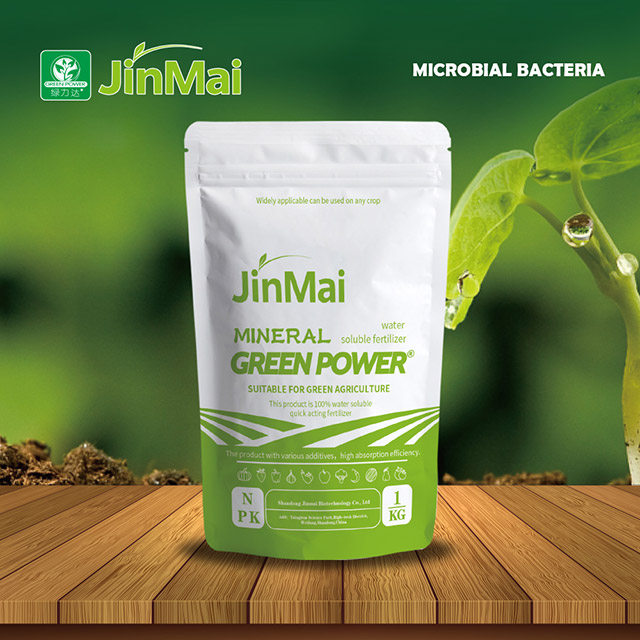
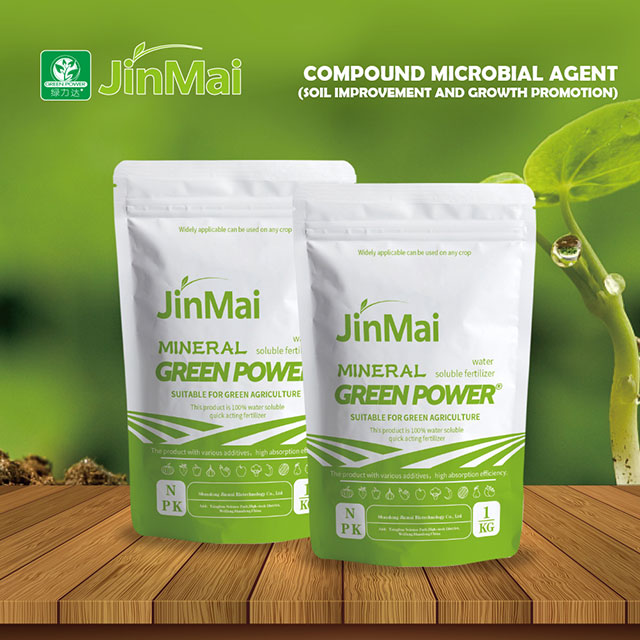
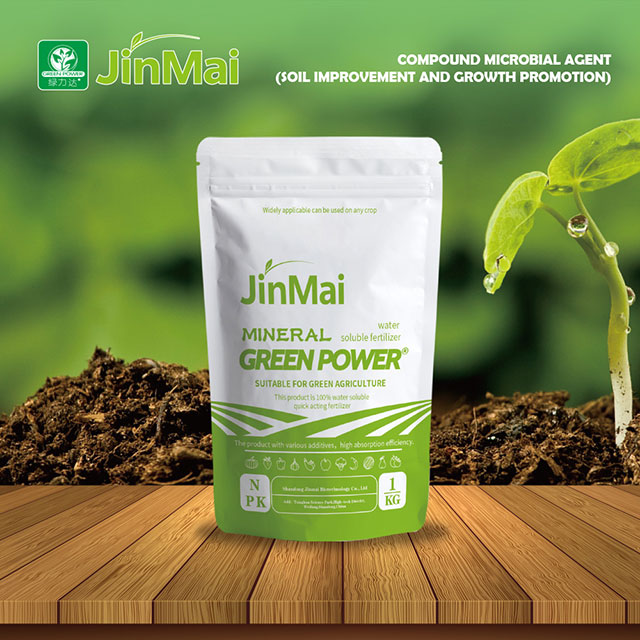
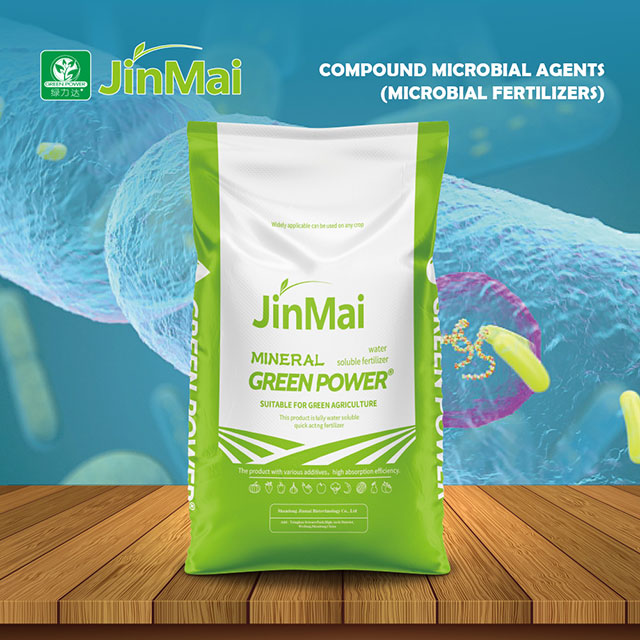
Contain beneficial microorganisms that improve soil fertility and nutrient cycling — an eco-friendly approach to sustainable farming.
Microbes used: Rhizobium, Azospirillum, Bacillus, Trichoderma, and mycorrhizal fungi.
Benefits:
Enhance nutrient availability and root growth.
Reduce chemical fertilizer dependency.
Improve soil health and microbial balance.
Learn about our microbial and organic fertilizers
|
|
|
|
6. Biopesticides (Biological Crop Protection)
Definition:
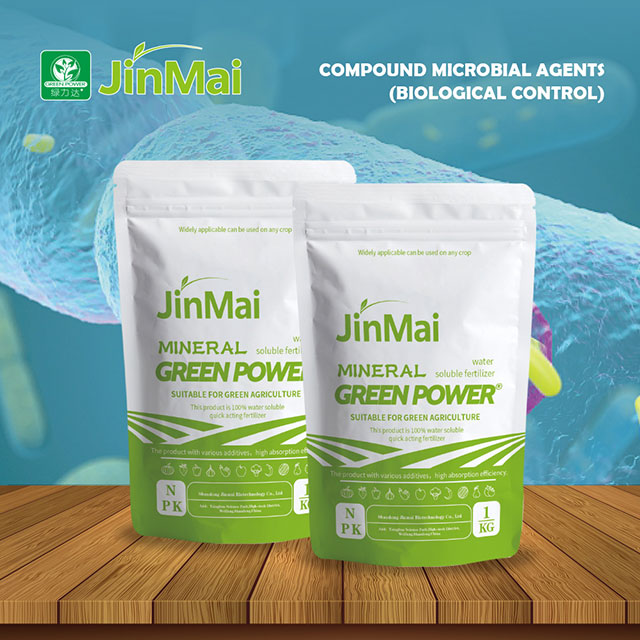
Natural agents — such as beneficial microbes or plant extracts — that protect crops against diseases and pests while supporting growth.
Types:
Microbial biopesticides (Bacillus subtilis, Trichoderma harzianum).
Botanical biopesticides (neem, pyrethrum).
Benefits:
Safe, residue-free pest control.
Some also promote plant growth or act as root protectants.
Browse our biological pest control solutions
|
|
|
|
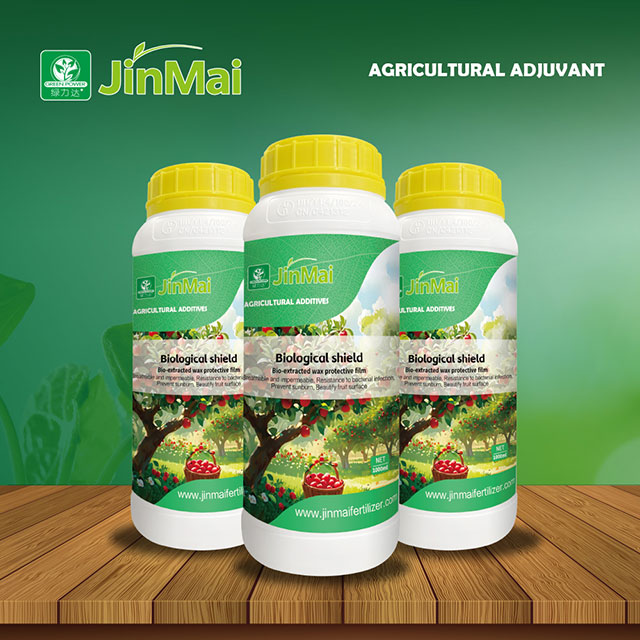
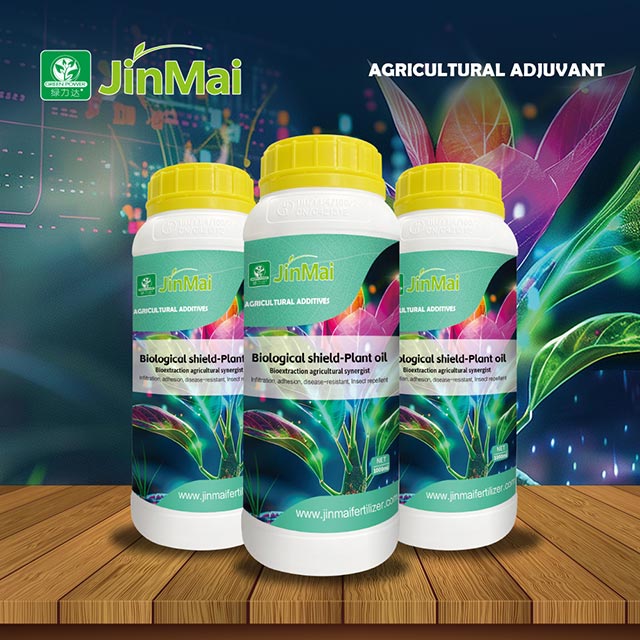
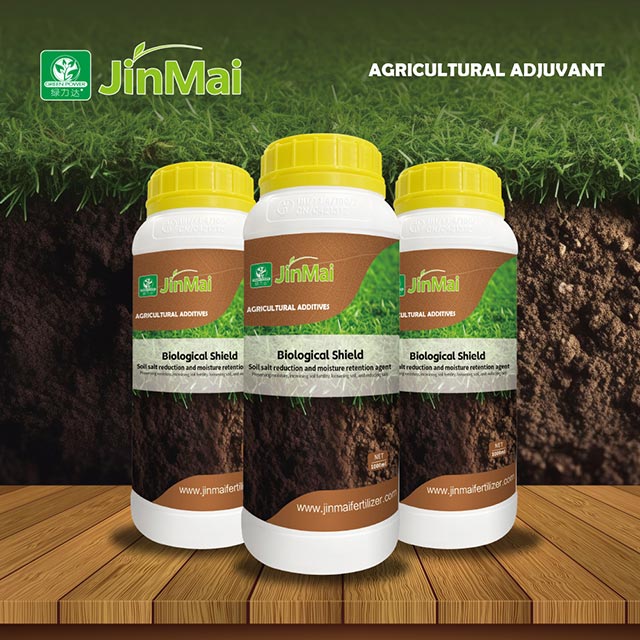
7. Agricultural Adjuvants
Definition:
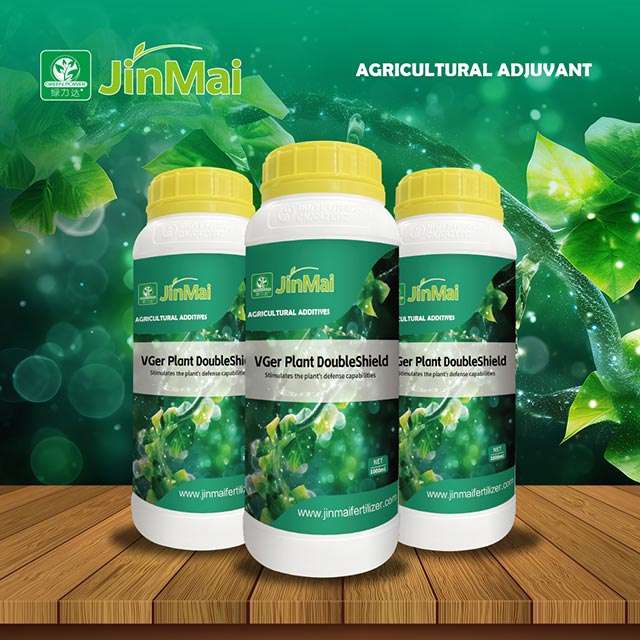
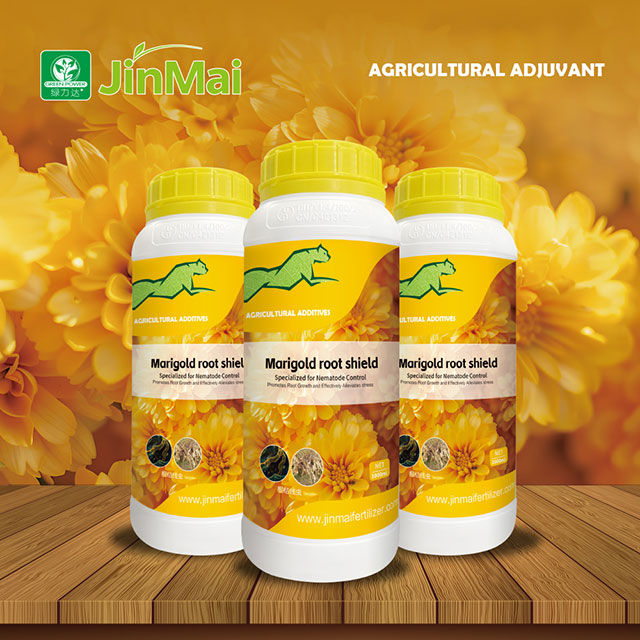
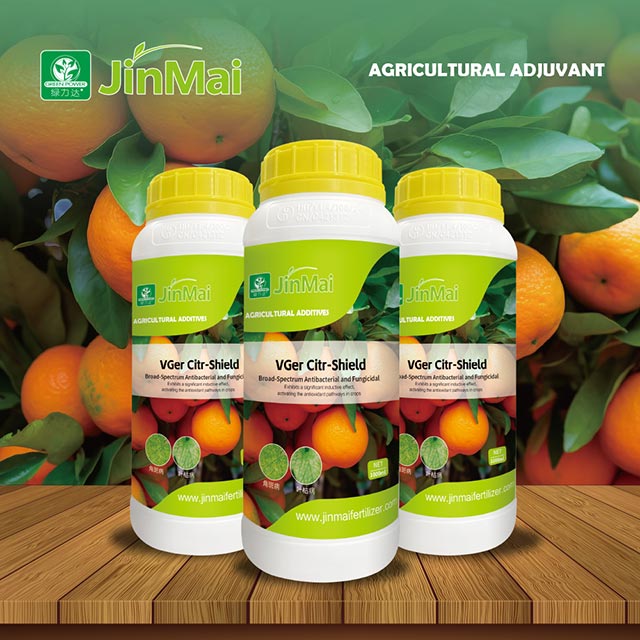
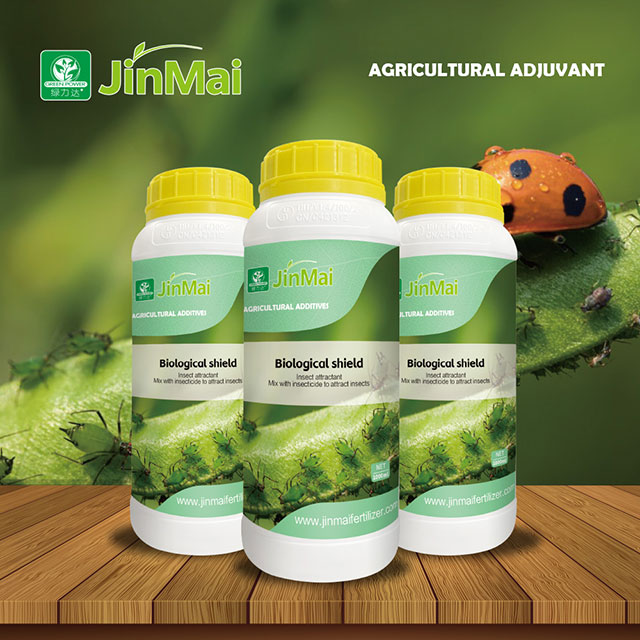
Adjuvants are spray enhancers added to fertilizers or pesticides to improve absorption and reduce waste.
Common types:
Wetting agents & surfactants — improve spray coverage.
Penetrants — increase uptake into plant tissue.
Anti-drift & retention agents — reduce spray loss.
Benefits:
Maximize nutrient and pesticide performance.
Lower environmental impact.
Ensure even distribution during foliar applications.
Explore our agricultural adjuvants
|
|
|
|
Comparative Overview
Category | Key Nutrients/Function | Effect Speed | Duration | Eco Impact | Ideal Use |
Macronutrient | N, P, K | Fast | Medium | Medium | Base fertilization |
Secondary Nutrient | Ca, Mg, S | Moderate | Medium | Low | Quality crops |
Micronutrient | Fe, Zn, Mn, B, Cu, Mo | Fast | Medium | Low | Deficiency correction |
Biostimulant | Stress resilience | Gradual | Medium | Very low | Growth enhancement |
Microbial Fertilizers | Soil microbes | Slow | Long | Very low | Soil health improvement |
Biopesticide | Pest/disease control | Moderate | Medium | Very low | Integrated pest management |
Adjuvant | Efficiency booster | Immediate | Short | Very low | Spray optimization |
How to Build an Effective Fertilization Program
For best performance, modern agriculture combines nutrient and biological products strategically:
1. Base Fertilization: Apply NPK or compound fertilizers before or during planting.
2. Growth Support: Supplement with calcium, magnesium, and micronutrients as crops develop.
3. Stress Management: Integrate biostimulants during stress periods.
4. Soil Health: Regularly use biofertilizers to improve soil structure.
5. Pest Defense: Combine biopesticides for eco-friendly protection.
6. Efficiency Boost: Add adjuvants to enhance spray uniformity and absorption.
Learn about our Integrated Nutrition Programs

Conclusion
A smart fertilization strategy is about balance — combining the power of chemical nutrients with the sustainability of biological solutions.
By understanding fertilizer categories and their effects, farmers can make informed decisions that lead to higher yields, better quality, and long-term soil vitality.
Get professional advice from our agronomy experts
Contact Us
Website: www.jinmaifertilizer.com
Alibaba Website: jinmaiplant.en.alibaba.com
Email: info@sdjinmai.com
Phone: +86-132-7636-3926

Frequently Asked Questions (FAQ)
1. What is the difference between NPK fertilizers and biostimulants?
NPK fertilizers supply essential nutrients directly to plants, while biostimulants activate natural processes to improve nutrient uptake, stress resistance, and overall plant performance.
2. How do biofertilizers improve soil health?
Biofertilizers introduce beneficial microorganisms that fix nitrogen, decompose organic matter, and enhance soil structure — leading to long-term fertility and productivity.
3. Are biopesticides safe for the environment?
Yes. JINMAI biopesticides are eco-friendly, biodegradable, and leave no harmful residues — making them ideal for organic and sustainable farming.
4. What role do agricultural adjuvants play in fertilizer use?
Adjuvants increase the efficiency of foliar sprays, helping fertilizers and pesticides stick better, penetrate faster, and perform more consistently.
5. How can I create a balanced fertilization program?
Combine macronutrient fertilizers for base nutrition, secondary and micronutrients for crop quality, and biostimulants or biofertilizers for long-term soil and plant health.